Elon College, the College of Arts & Sciences






Embark on a Lifelong Journey of Learning, Success & Fulfillment
The arts and sciences provide an excellent framework for a lifetime of professional success and personal fulfillment. All Elon students are introduced to the arts and sciences through the Elon Core Curriculum, which spans all four years of their college career. Elon College, the College of Arts and Sciences is comprised of 21 academic departments offering more than 60 different majors. Students also benefit from exploration of interdisciplinary and disciplinary minors.
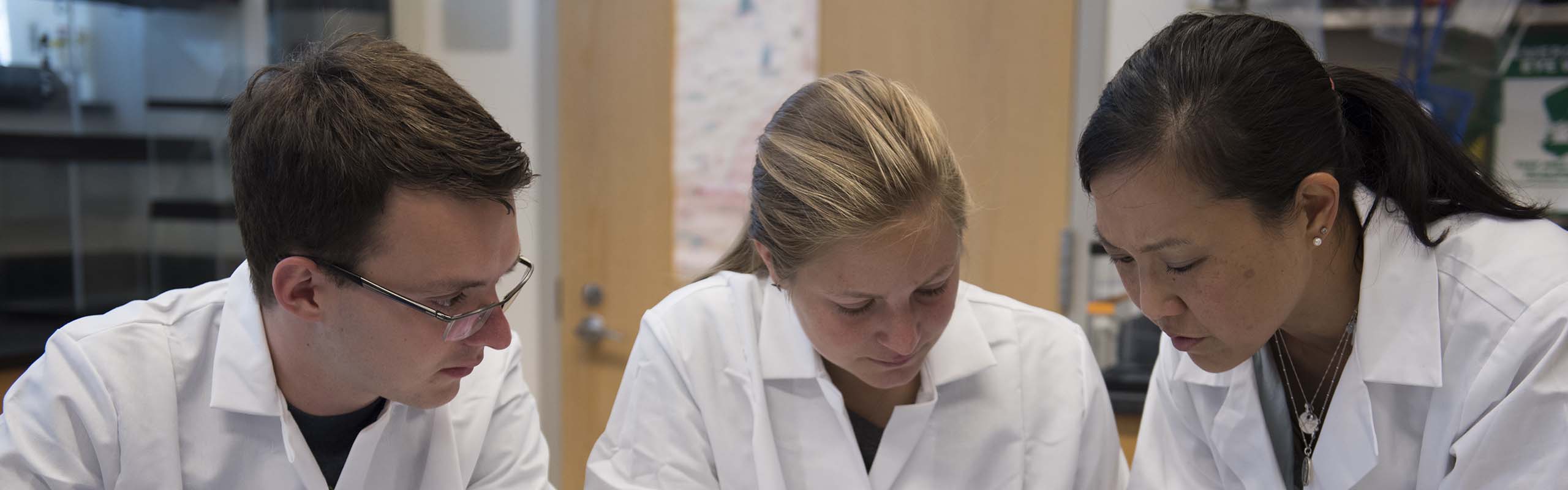
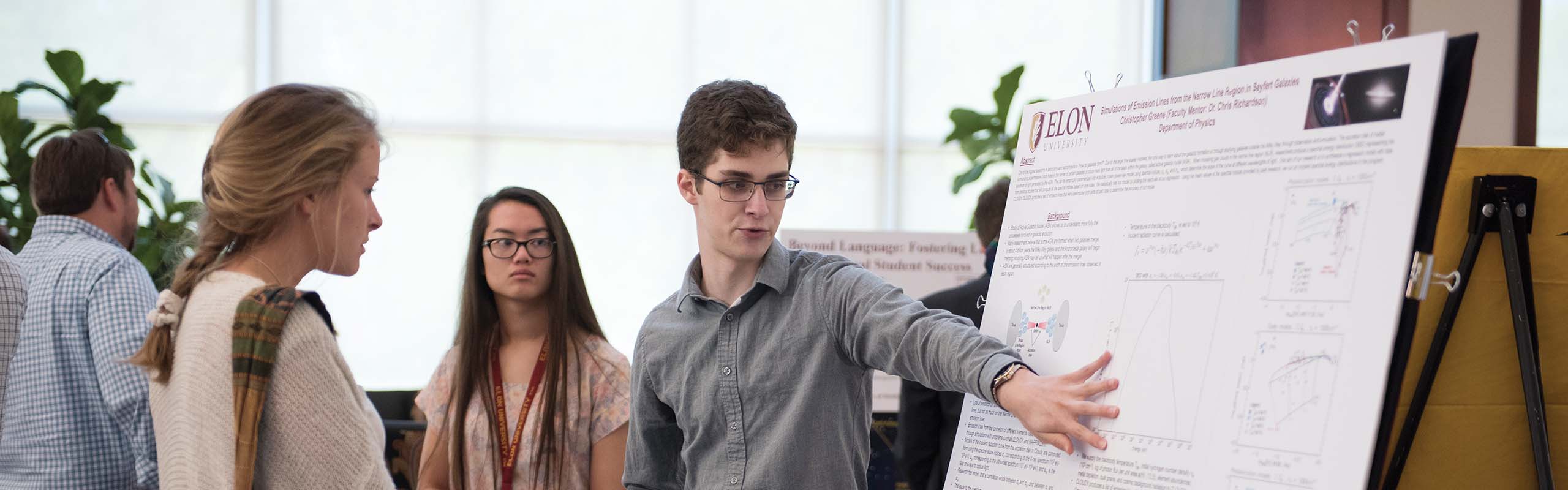
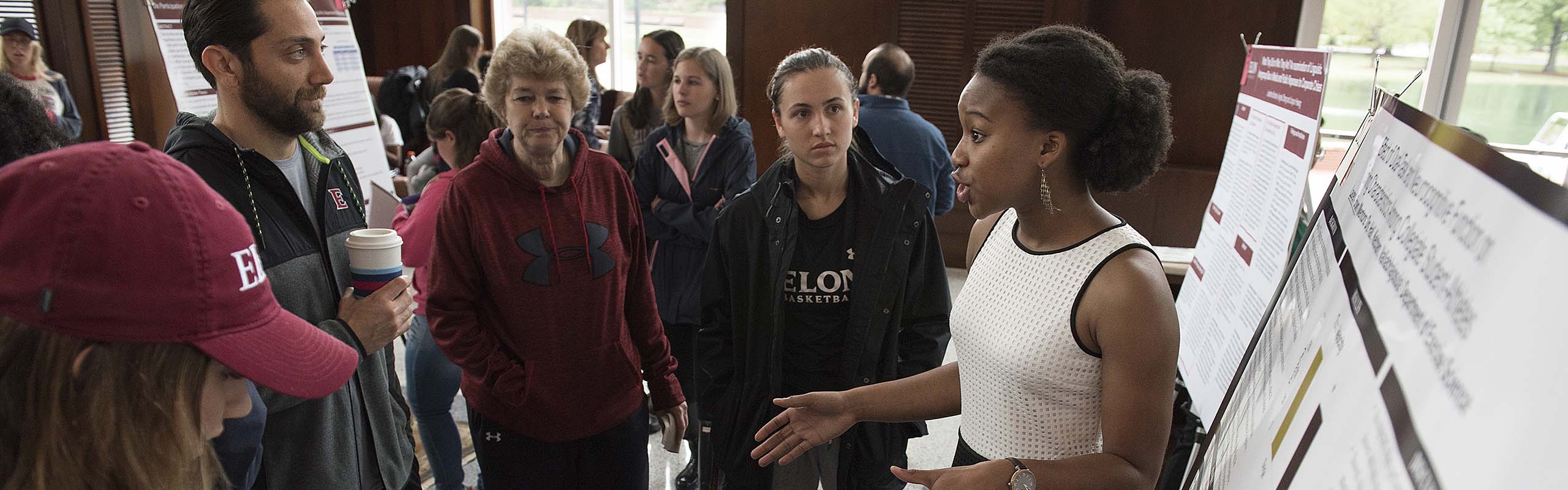
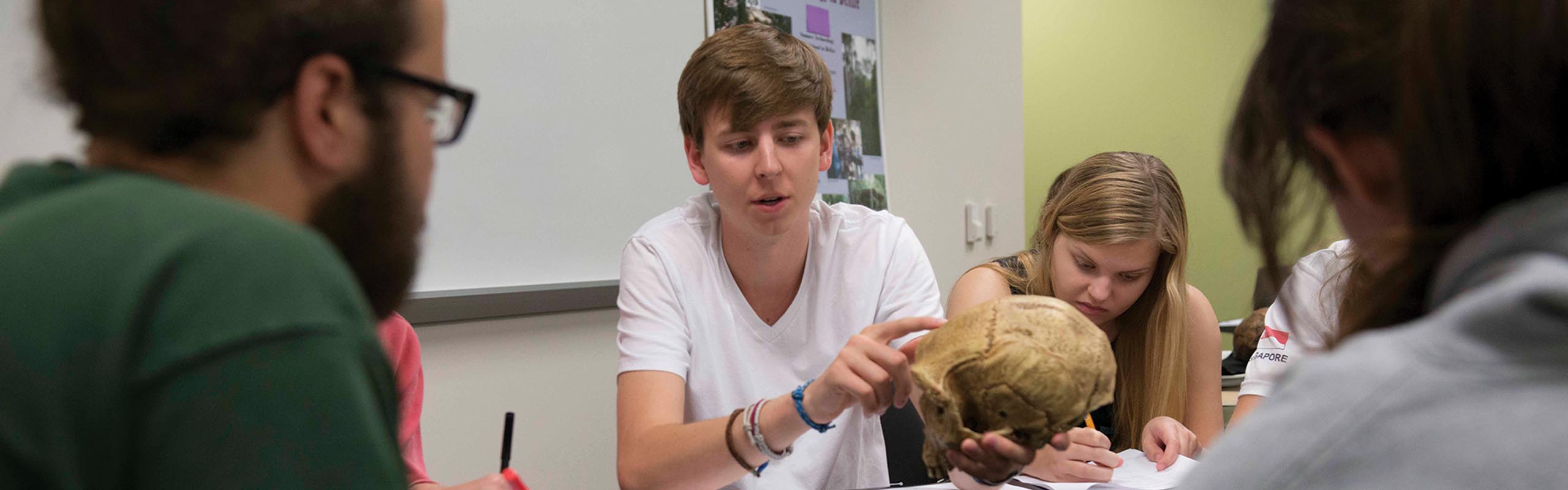
Our students thrive on collaborations with faculty mentors both in and out of the classroom. Immersive experiences in research, global study, internships, service and leadership deepen classroom lessons and prepare students to become ethical and ambitious leaders in their chosen fields.
Mission
Upholding the centrality of the liberal arts, we explore and apply disciplinary and interdisciplinary knowledge for inquiry, creativity, discovery, and problem solving in a complex and changing world.
Vision
The Heart of an Elon Education
Ignite Curiosity • Engage Challenges • Transform Worlds
Core Values
Our engaged teaching and rich mentorships are guided by a commitment to
- Accessibility
- Belonging
- Critical Thinking
- Diversity, Equity and Inclusion
- Integrity
- Intellectual Curiosity
- Problem-Posing
- Respect for Human Dignity