Elon University Home

Anthropology Courses

ANT 112. INTRODUCTION TO CULTURAL ANTHROPOLOGY 4 sh
This introduction to the study of human cultures focuses on the diversity of human cultures around the globe. It presents basic concepts, theories and methods used by anthropologists studying people and culture. Topics span human cultural evolution, social organization, marriage and family, making a living, economics, politics, religion and human problems related to issues of globalization, among others. Offered fall and spring. Required course for the Sociology major and the Anthropology minor.

ANT 113. HUMAN EVOLUTION AND ADAPTATION 4 sh
This course provides a basic introduction to neo-Darwinian theory and natural selection, Mendelian and population genetics, mechanisms of human biological and cultural adaptation, and interpretation of the primate and hominid fossil record (drawing on both paleontology and molecular genetics). Special attention is paid to the interaction of social mechanisms with biological and environmental influences in human evolution. Readings include an introduction to medical biotechnology and the Human Genome Diversity Project.

ANT 114. INTRODUCTION TO ARCHAEOLOGY 4 sh
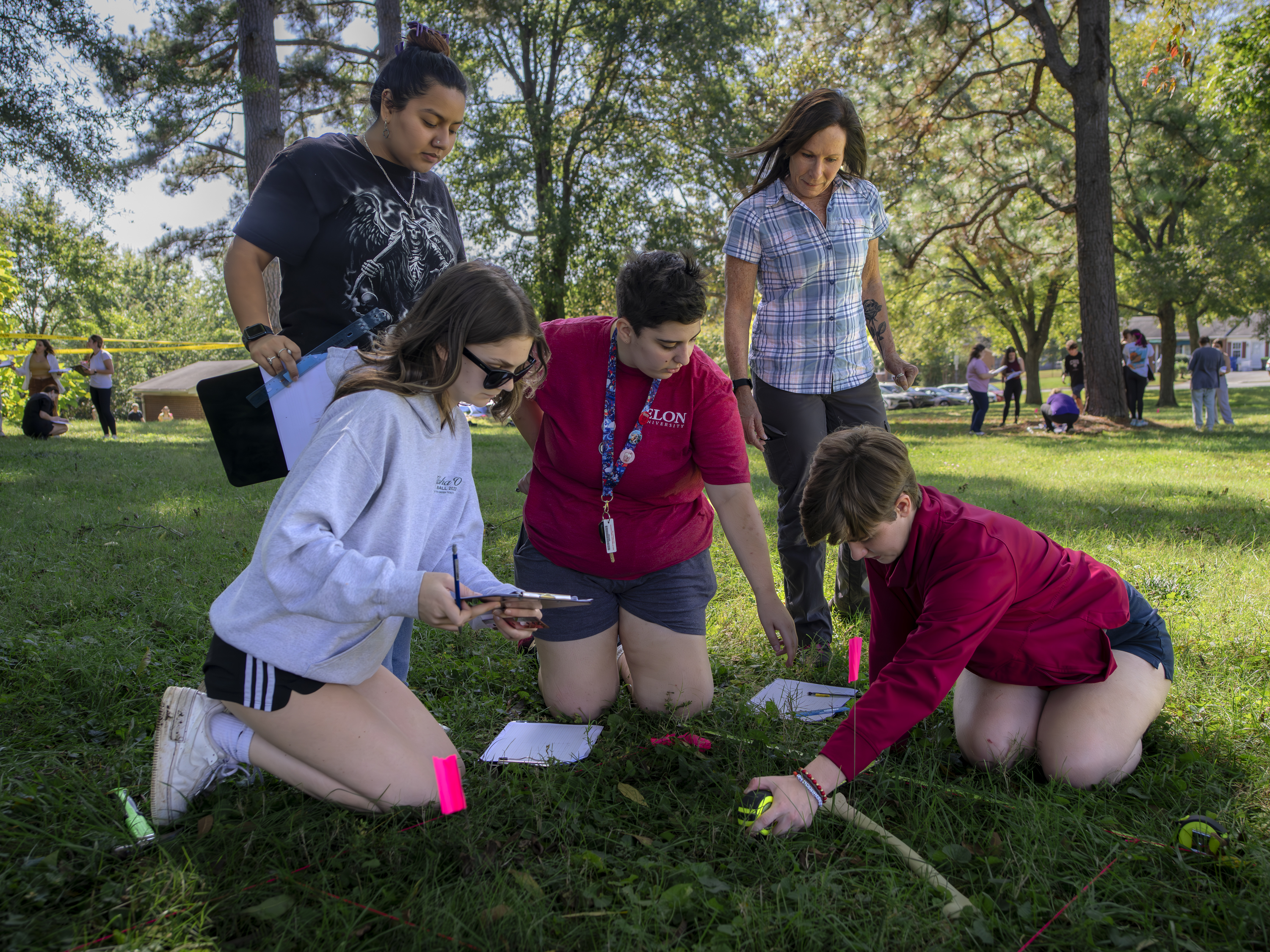
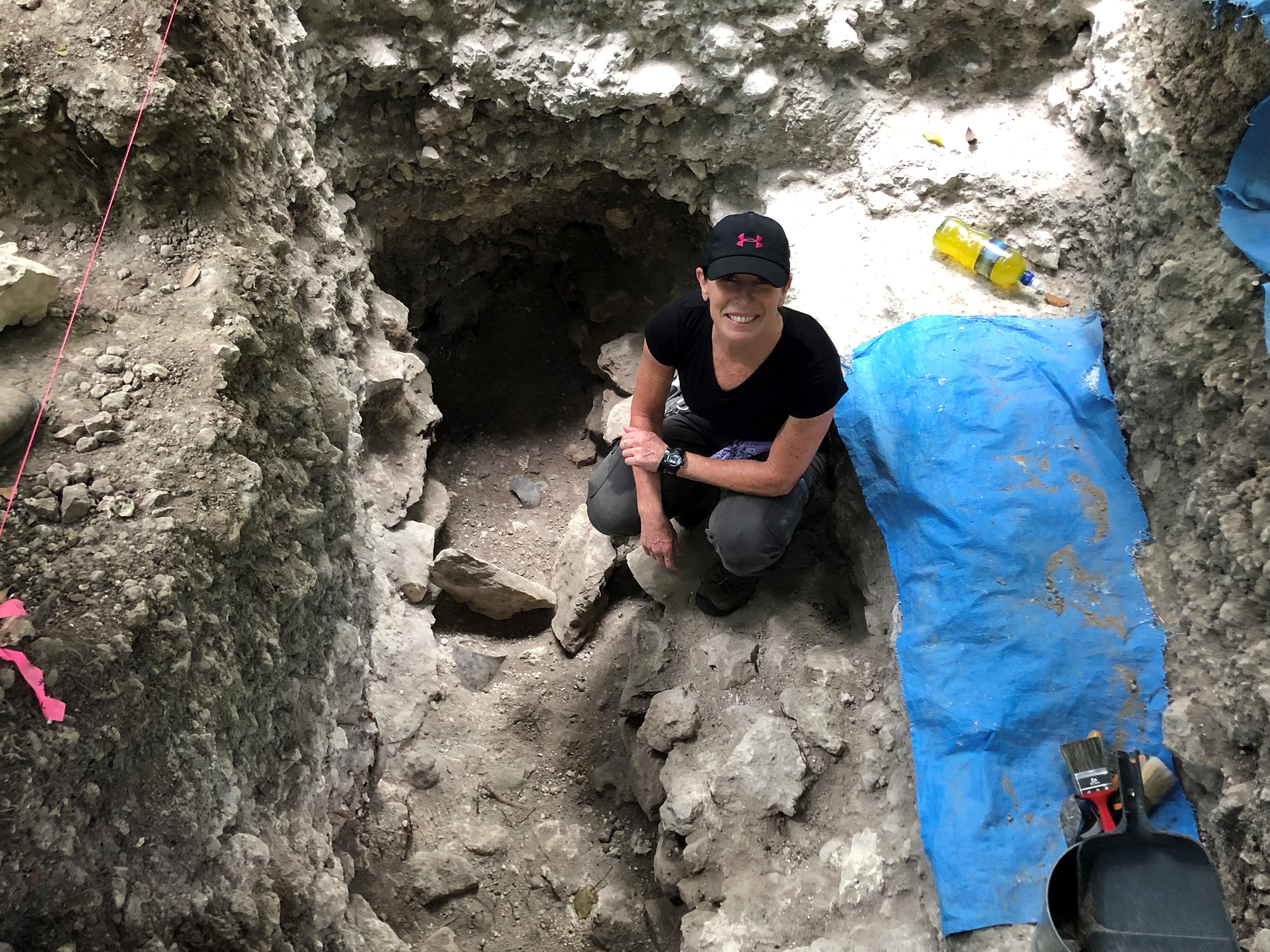
Introduction to Archaeology presents the current state of archaeology by exploring its historical roots and covers basic archaeological theories, methods, and practice. This includes techniques for investigation, recovery, reconstruction, interpretation and preservation, as well as ethical considerations.

ANT 121. CROSS-CULTURAL ENCOUNTERS 2 sh
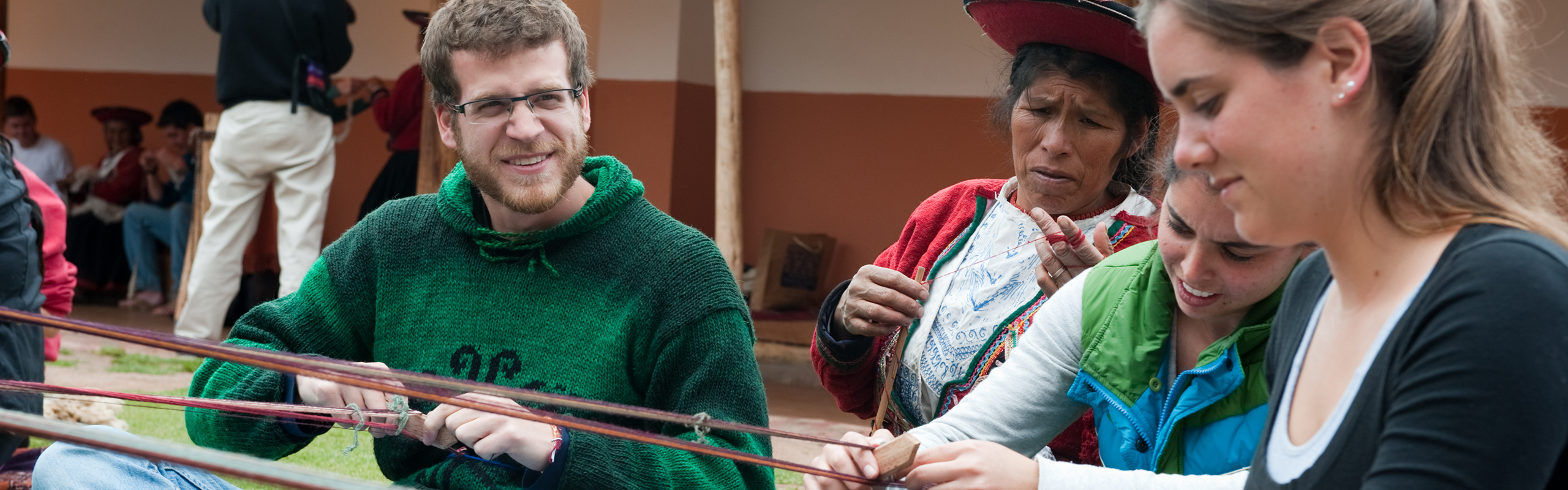
This course is an introduction to the subject of culture and to living in a multicultural world. The central theme of the course is appreciating as well as understanding cultural diversity. Students will develop and expand their cultural sensitivity through a variety of experiential activities focused on becoming more aware of the role of culture as central in defining who we are as individuals. Exposure to the unique approaches of anthropologists in encountering and communicating with peoples of different cultures and backgrounds will be emphasized. This course will serve as an excellent foundation for a variety of
majors in communications, the humanities, the social sciences, business, education and for those with a geographic focus such as Asia, Africa, Russia, etc. It will also serve as preparation for the Studies Abroad experience.

ANT 215. QUALITATIVE RESEARCH METHODS 4 sh
This course examines the ways qualitative analyses (non-numerical data) help social scientists explore questions of meaning within specific social and cultural contexts, and historical moments. Specific topics include: participant observation, focus groups, open-ended interviewing, thematic coding, archival research and data analysis with a qualitative computer software program. The complementary relationship between qualitative and quantitative research methods will be considered, with a sustained focus on the particular strengths and weaknesses of qualitative research design. Prerequisite: SOC 111 or ANT 112. Cross-listed with SOC 215.

ANT 216. QUANTITATIVE RESEARCH METHODS 4 sh
This course examines the ways quantitative analyses (numerical data) help social scientists investigate issues, problems and relationships within social and cultural contexts. Specific topics include: discussion of the scientific method, survey methodology, sampling techniques, hypothesis testing, aggregate level analyse, and issues of reliability, validity and generalizability, as well as data analysis with SPSS. The complementary relationship between quantitative and qualitative research designs will be considered, with a focus on the strengths and weaknesses of quantitative research design. Prerequisite: SOC 111 or ANT 112. Offered spring semester. Cross-listed with SOC 216.

ANT 227. FROM THE GROUND DOWN 4 sh
Students explore the adventure and science of archaeology from the perspective of an anthropologist. This course highlights great discoveries in archaeology with a look at famous sites worldwide. An overview of the development of archaeology from treasure hunting to a high-tech science are presented. Additional topics include fieldwork techniques, artifact analysis, interpretation, forensic analysis and cultural resource preservation. The course includes visits to archaeological sites in the area.

ANT 253. INDIGENOUS AUSTRALIA 4 sh
Indigenous peoples of Australia have created the longest continuing cultural tradition in the world today. This course emphasizes the traditional, colonial and contemporary experiences of first Australian peoples through the socio-cultural imagination. Through lectures, field trips and directed self learning, students will explore important issues in Indigenous
Australian people’s quest for equality and cultural survival. Offered winter. Cross-listed with SOC 253.

ANT 322. ETHNOGRAPHY 4 sh
This course teaches the methods anthropologists use to gain access, develop rapport, collect and analyze data and interpret findings when studying human cultures. Students also read selected ethnographies (first-hand accounts by anthropologists who have lived among peoples of various cultures, including ourselves, throughout the globe). Prerequisite: SOC 111 or ANT 112.

ANT 323. VIDEO ETHNOGRAPHY 4 sh
For years, anthropologists have learned about other cultures through intensive fieldwork and then written about these cultures in books that line our library shelves. But in this technological age, many writers have become videographers, translating culture to the screen rather than the page. This class will introduce students to the process and art of ethnography and videography by reading published ethnographies, engaging with the current scholarship on visual anthropology, critically analyzing ethnographic films, and finally researching, shooting and editing short video ethnographies. Prerequisite: SOC 111
or ANT 112.

ANT 324. CULTURE AND SEX 4 sh
This course examines human sexuality from a biocultural perspective, exploring the physiology of human sexuality and the cross-cultural context of sexual expression. Themes include alternative sexual lifestyles, sexual dysfunction, the symbolic dimensions of sexuality and AIDS. Prerequisite: SOC 111 or ANT 112.

ANT 325. CULTURE, HEALTH AND ILLNESS 4 sh
This study of the biocultural basis of health and disease over time and across cultures examines the importance of culture in the experience of illness, diagnosis and treatments. Topics include the cultural implications of food and food habits, health care practices, the relationship of healers and patients, alternative health care practices and the relationship of mind and body in illness and recovery. Prerequisite: SOC 111 or ANT 112.

ANT 329. WOMEN, CULTURE AND THE WORLD 4 sh
This course focuses on women’s issues from an anthropological perspective emphasizing evolutionary and cross-cultural considerations and including the impact of globalization on women’s lives. Gender relations and women’s status/roles are discussed in the context of the following systems: economic, political, kinship and family, religion and healing. Topics include women’s life-cycles, the cultural construction of gender, personhood and violence against women. Prerequisite: SOC 111 or ANT 112.

ANT 361. HISTORY OF ANTHROPOLOGICAL THEORY 4 sh
This course introduces students to some of the major social theories and debates that inspire and inform anthropological analysis. Students will investigate a range of theoretical propositions concerning such topics as agency, structure, subjectivity, history, social change, power, culture and the politics of representation. Prerequisite: ANT 112.

ANT 364. INEQUALITY AND DEVELOPMENT IN LATIN AMERICA 4 sh
This course examines the persisting extreme disparity between rich and poor in Latin America with special attention to the promise and problems of post-World War II development. We draw on historical material and case studies to examine the roles of modernization and dependency theories; the World Bank and IMF; the women’s movement; grassroots struggles; non-governmental organizations (NGOs); and neoliberal policies in shaping and reshaping development. The current push for “free trade” policies is evaluated in light of criteria from emerging models for more sustainable, participatory development.

ANT 380-389. SPECIAL TOPICS IN ANTHROPOLOGY 2-4 sh
This series of courses reflects new contributions in anthropology or anthropological issues. Prerequisite: to be determined by instructor.

ANT 461. SENIOR SEMINAR IN ANTHROPOLOGY 4 sh
This capstone course reviews major areas of anthropology and provides further opportunity to share research on these topics. Students conduct research ranging from how anthropological knowledge can be applied occupationally and politically to more basic, academic topics. Prerequisites: ANT 215, ANT 216, ANT 361 and senior ANT major status.

ANT 471. SEMINAR: SPECIAL TOPICS 2-4 sh

ANT 482. INTERNSHIP IN ANTHROPOLOGY 1-4 sh
Teaching, research, service and occupational internships are offered. Limited to four semester hours credit applicable to anthropology major or minor. Prerequisites: department permission and at least sophomore standing.

ANT 491. INDEPENDENT STUDY 1-4 sh

ANT 499. INDEPENDENT RESEARCH IN ANTHROPOLOGY 1-8 sh
The student develops an individual project of original research under the guidance of a professor within the department. Prerequisites: at least sophomore standing; anthropology major or minor; satisfactory completion of ANT 215 or ANT 216; and permission of the sponsoring professor. Students are also required to complete the department’s Independent Research form, a process that includes a description of the proposed research and a student-professor plan for completing the course.