Lumen Prize
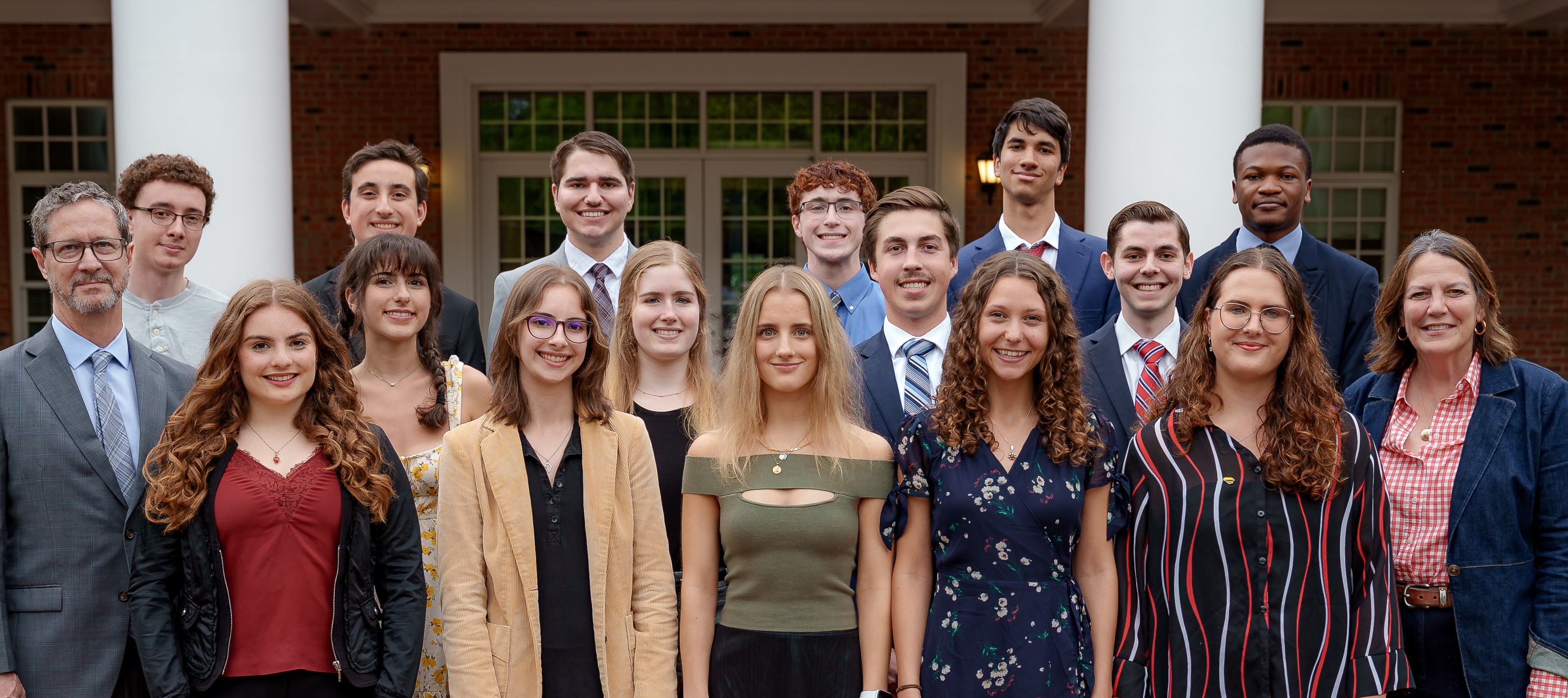
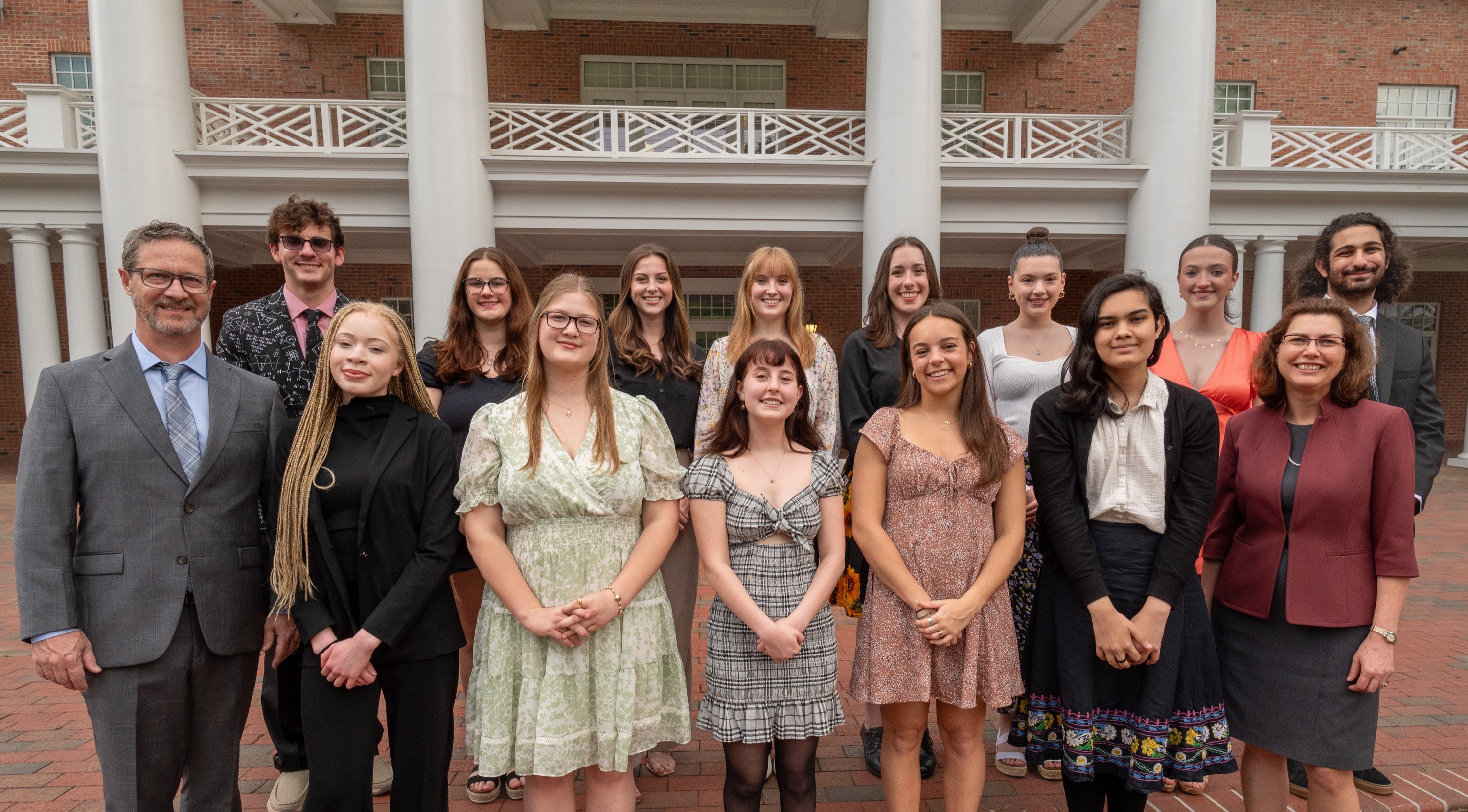
During his opening day address to the University on August 20, 2007, President Leo Lambert announced his vision for the creation of a new and significant undergraduate prize.
“Many of us believe Elon should do more to recognize the truly exceptional scholarly achievement of upperclassmen and women. I plan to bring to the Board of Trustees this fall a proposal to create the Lumen Prize to assist Elon University juniors and seniors in the attainment of ambitious and serious intellectual goals. [This prize] could be used for scholarship assistance for the final two years of study on top of existing financial awards and support for research, international study, equipment and supplies, a summer stipend, and other approved expenses. My hope is that winners of the Lumen Prize will receive special mentoring and support in pursuit of graduate fellowships and international awards such as the Rhodes, Marshall, Truman, and Goldwater scholarships. This is a wonderful opportunity for Elon to recognize and celebrate the very best achievements of Elon University undergraduate scholars.”
The Elon Board of Trustees gave its strong support to the proposal and the Lumen Prize program was initiated in the 2007-2008 academic year. The name for the Lumen Prize comes from Elon’s historic motto, “Numen Lumen,” which are Latin words meaning “spiritual light” and “intellectual light.” The words, which are found on the Elon University seal, signify the highest purposes of an Elon education.
Sophomores submit their applications for this highly competitive, $20,000 award during the Spring term. Applications map out a vision for applicants’ junior and senior years, developing a plan for coursework, research, creative productions or performances, service projects, travel, summer workshops or institutes, and international study or internships. A committee of faculty from across the institution determines its selections based on the intellectual/creative merit, distinction, and coherence of the proposal, as well as those qualities of intellectual passion, commitment, and experience of the applicant. Members of the Committee for 2025-2026 include:
- Ann Cahill, Philosophy, National and International Fellowships
- Mike Carignan, History (Director)
- Jeffrey Carpenter, Education
- Paula DiBiasio, Physical Therapy Education
- Katrina Jongman-Sereno, Psychology
- Julie Lellis, Cinema and Television Arts
- Chris Richardson, Astrophysics
- Susanne Shawyer, Theatre
- Rissa Trachman, Anthropology
- Ifeoma Udeh, Accounting
- Matt Wittstein, Exercise Science