


For you. For us. For our community.
By providing access to resources, educational tools and support, every individual in our community is empowered to cultivate personal wellness values that will last well beyond their time at Elon.
The HealthEU initiative aims to empower every individual in our community to actively implement and integrate wellness values in their daily lives, with their peers and in their greater purpose by providing access to resources, educational tools and support through the six dimensions of well-being. This will help Elon become a national model for programs, research and dialogues promoting resilience, belonging and all aspects of lifelong personal wellness.
The Six Dimensions

Community Well-Being
Connecting and engaging in groups and taking ownership of personal wellness fosters contributions to the wellness of one’s community.
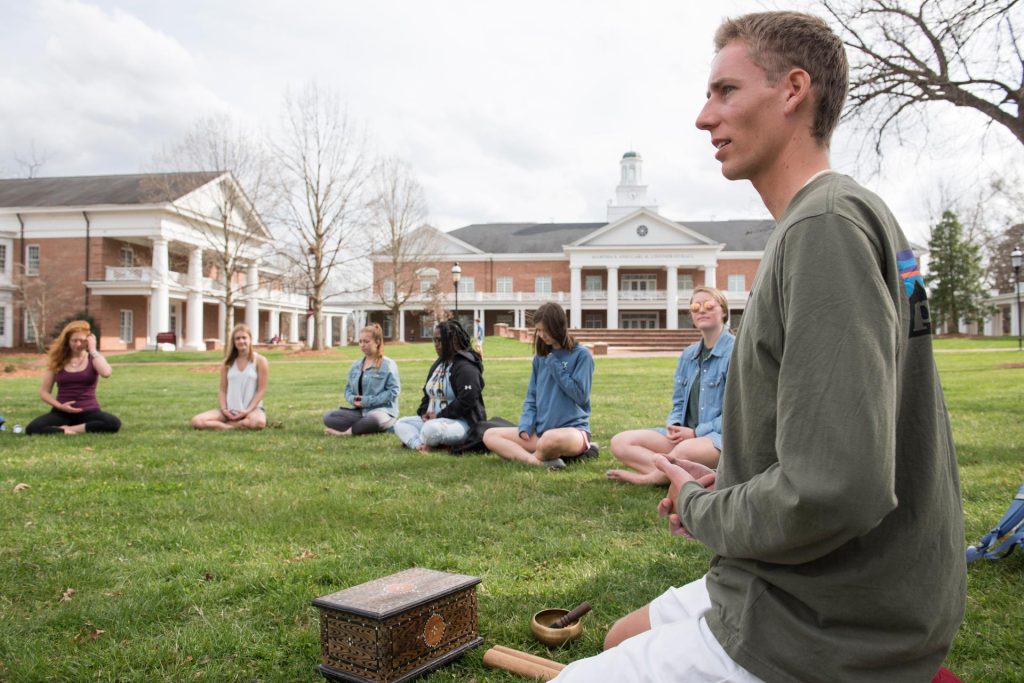
Emotional Well-Being
Identifying, understanding and regulating personal emotions enables feelings of safety, support and mental wellness.
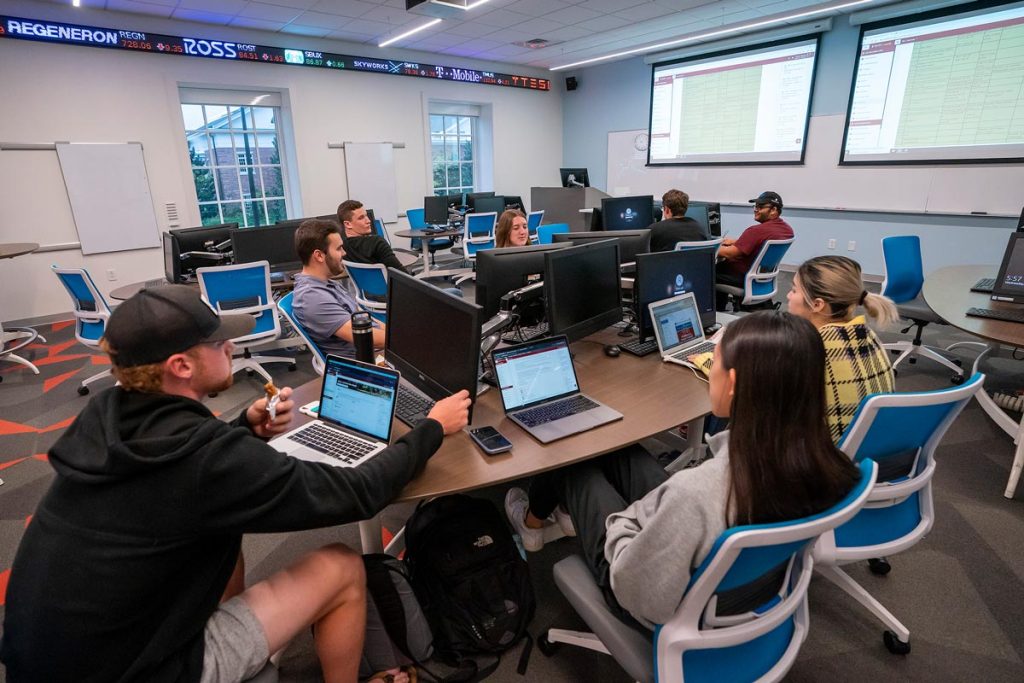
Financial Well-Being
Understanding opportunities, limitations and the responsibilities of personal finances encourages planning for the future and preparing for changes.

Physical Well-Being
Eating a balanced diet, exercising regularly and accessing resources that improve physical health and provide the energy needed to live full and engaging lives.

Purpose Well-Being
Finding fulfillment, spiritual meaning, personal identity and vocation, and exploring how to interact within the world enables the development of a personal mission and vision.

Social Well-Being
Developing authentic relationships and connecting with others in a deep and meaningful way creates strong, supportive, interdependent relationships where there is genuine and mutual care.
Looking For Something?
Browse resources available for students or faculty and staff or search all resources below.