

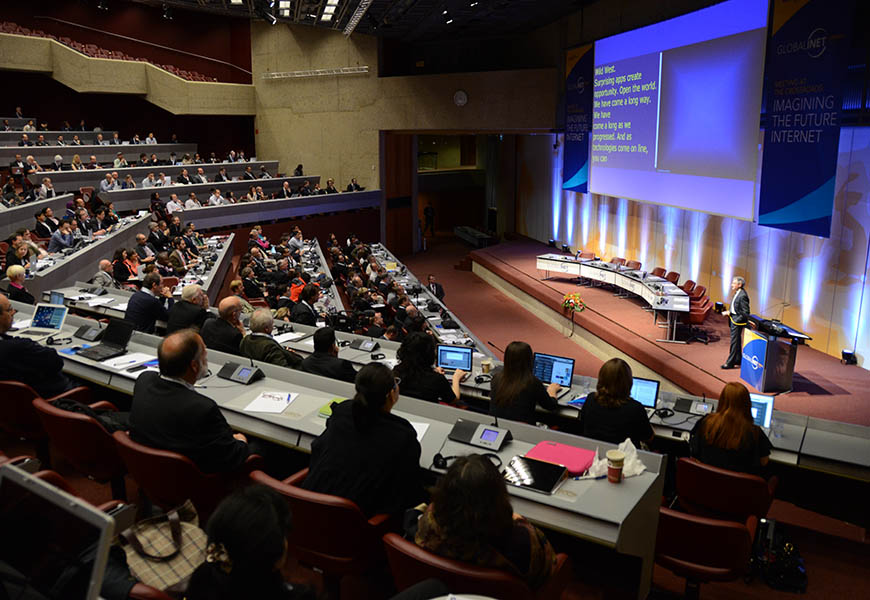

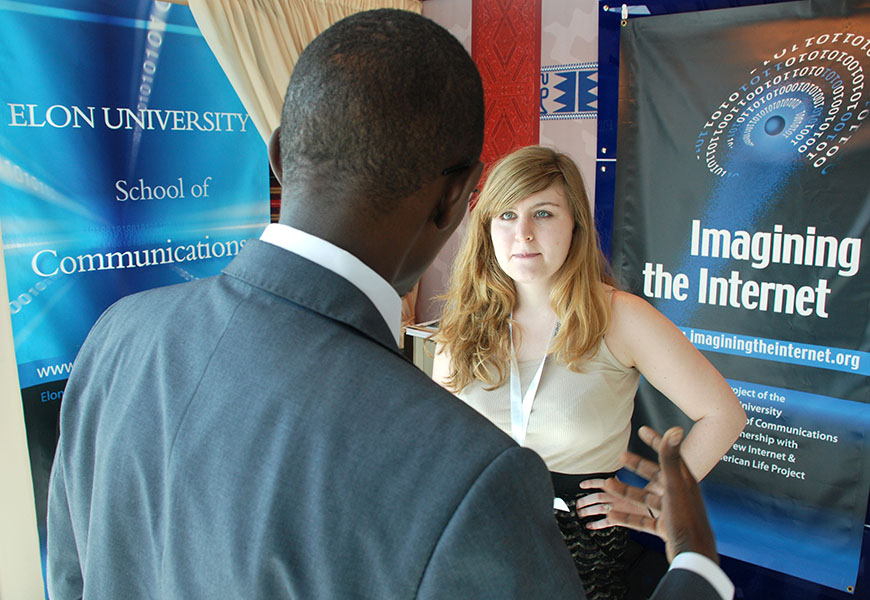
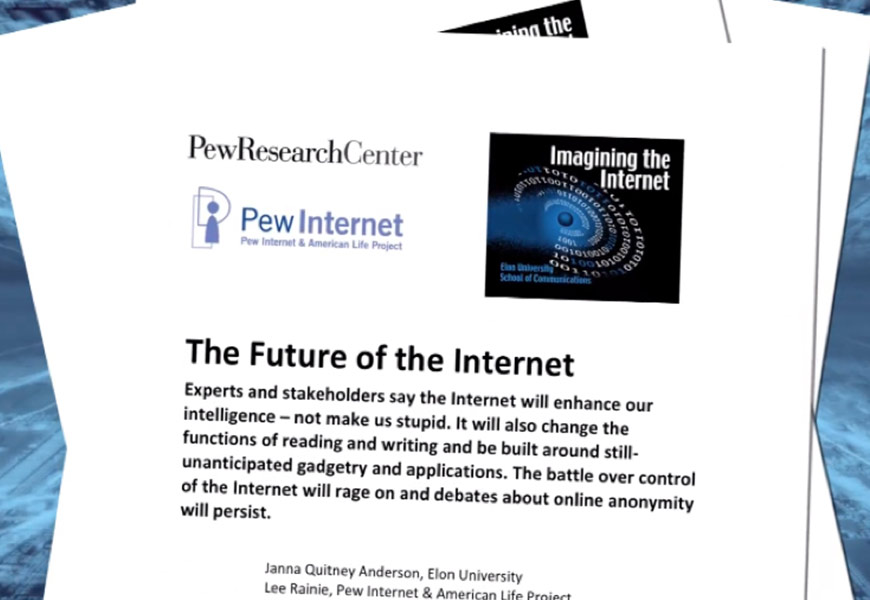


Imagining the Internet and Pew illuminate experts’ views on top concerns
Digital Life In 2025-2071?
From 2003 to 2023 Imagining the Internet partnered with Pew Research to ask thousands of digital experts questions about issues and trends, publishing 48 highly detailed reports including: the best and worst of digital change expected by 2035, the future of human agency; the future of XR and the metaverse; effects of toxic social media on democracy and society; hopes for 2035; the future of ethical AI design; the digital new normal after the 2020 outbreak; the future of democracy in the digital age; the future of social and civic innovation; the next 50 years of digital life; about AI and the future of humans; the future of digital life and well-being; the future of truth; the dangers of being code-dependent; about fake news and the future of discourse; the future of job training; about infrastructure vulnerabilities; the future of trust in online interactions and more. It was succeeded by the Imagining the Digital Future Center in 2024.