|
Frequently Asked
Questions
What are sociology and
anthropology?
How do sociology and anthropology
differ from psychology and social work?
What is distinctive about
Elon's program?
What is the mission statement
of the Department of Sociology and
Anthropology?
What majors and minors are available
in this department?
What is the Cultural Applications
Principle?
What are the main focuses of the
sociology curriculum?
What types of internships are
available?
What study abroad
opportunities are available?
What are the career options for
those who study sociology and anthropology?
What about graduate school?
What are
sociology and anthropology?
In general, the disciplines of sociology and
anthropology describe the patterning, problems and
prospects of human relationships. That is, they
consider how and why people behave as they do, the
implications of these patterns for other aspects of
social life, and how new ways of living may be built
and sustained. To some extent, sociology and
anthropology share these commitments with other
disciplines in the social and behavioral sciences --
i.e., with political science, geography, history,
economics, human services and psychology. However,
there are important differences. Fundamentally,
sociology takes as its principal focus the study of
human groups and organizations. This is different than
the respective focuses of political science (government
and power issues), economics (goods and services) and
geography (the physical resources of the earth). By
looking at all varieties of human social life,
sociology takes a somewhat wider viewpoint than these
other disciplines. Anthropology takes an even broader
perspective, however. As the most philosophical of the
social sciences, anthropology is concerned with the
meaning of human nature and human possibility. It
examines these questions by investigating the different
cultural forms developed by peoples across the globe
and by studying the evolution (both physical and
cultural) of humans over thousands of years. It joins
with sociology in its studies of culture, the vast
patterning of symbolic and material creation that
guides people's lives.
How do sociology and
anthropology differ from psychology and social
work?
Although anthropology and sociology share an interest
in the past with history, they are equally concerned
with contemporary events. Furthermore, they are
distinguished from psychology because that discipline
focuses on individual (rather than group or societal)
beliefs, behaviors and tendencies. Likewise, sociology
and anthropology are to be distinguished from human
services or social work. Social work is an applied
profession, which uses theories and research from
throughout the social sciences to support practitioners
working with specific individuals and families in
difficulty. By contrast, sociology and anthropology
have as their principal objective the development and
sharing of knowledge about human societies and
behavior.
What is
distinctive about Elon's program?
How is the Elon program different from those found at most colleges and universities? At Elon, the disciplines of sociology and anthropology are combined within one department to provide students with a comprehensive and integrated understanding of human societies. Our department’s approach is comprehensive in that it offers course work covering a wide range of societies and examines these societies at many different levels. However, sociology and anthropology courses do much more than describe the overall characteristics of societies, including such issues as cultural values, population characteristics, and everyday customs. These courses also analyze basic socio-cultural institutions, such as family life, religion, and economics; patterns of social difference, such as race, class, and gender; types of social organization, like schools, businesses, and social clubs; forms of interaction; and even the ways in which personal identity is formed.
Our program is integrative in the sense that students are shown not only how societies themselves are connected in a wider global context but also how the different elements of each society are woven into complex cultural patterns. In the past, sociology courses focused more on patterns of interaction and organization in advanced industrial societies like the United States while anthropology courses emphasized the cultural environments of indigenous and traditional peoples. However, in recent years, forces of globalization and a growing emphasis on cultural diversity have brought these disciplines together into a powerful, mutually reinforcing relationship. At Elon University, sociology students have their knowledge of their own society enhanced dramatically by the evolutionary and comparative perspectives of anthropology. Consequently, anthropology students benefit from sociological theories of group behavior and organizations.
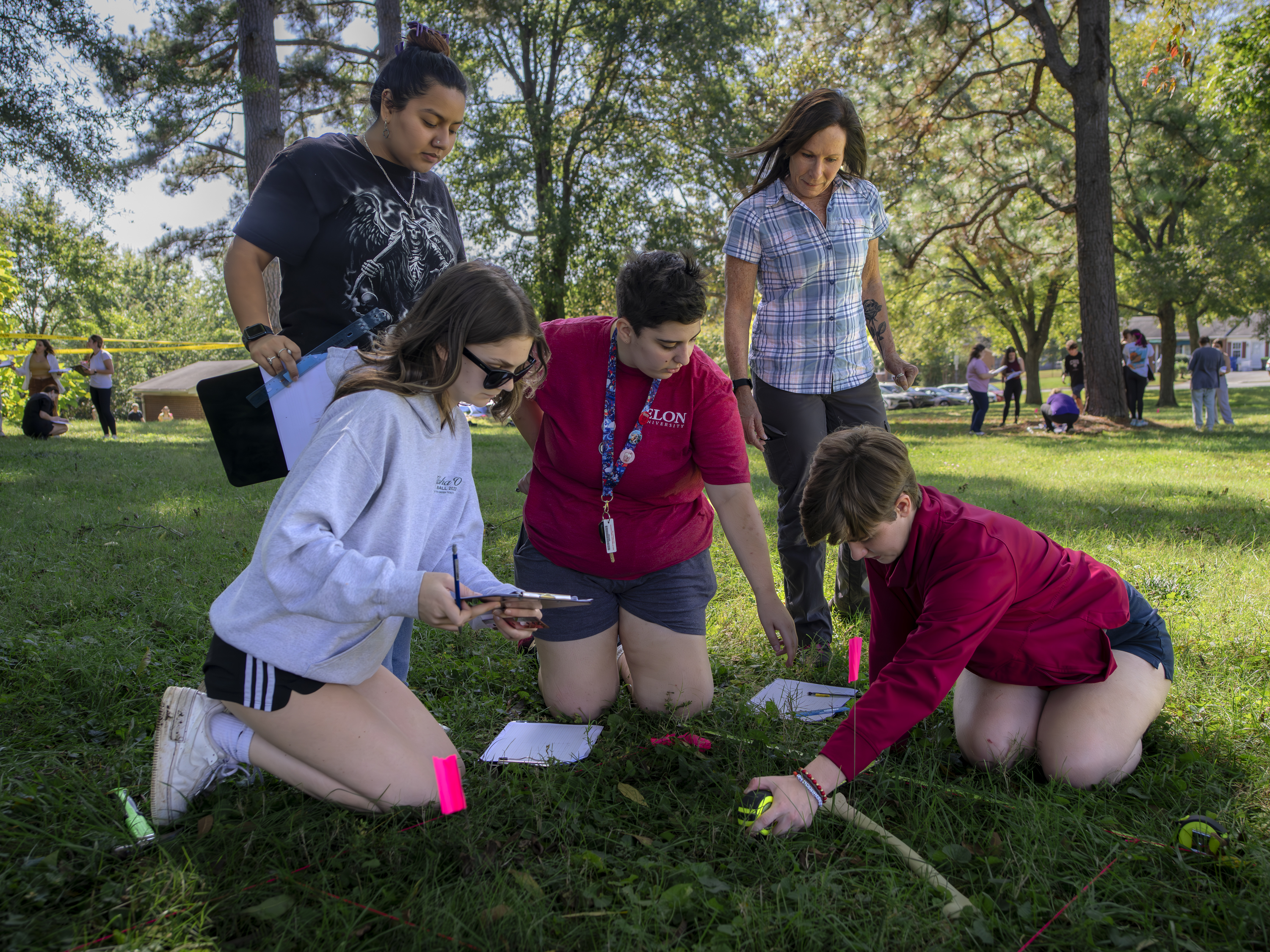
These two disciplines are brought together clearly in what we have called the CAP program. CAP, or “Cultural Applications Principle,” is a department-wide approach that takes some of the ideas/theories in sociology and anthropology and applies them to everyday settings - through both research and practical experiences like study abroad.
What is the mission
statement of the Department of Sociology and
Anthropology?
The Department of Sociology and Anthropology has adopted the following mission statement to guide its work. This statement is as follows:
The Department of Sociology and Anthropology provides students with important sociocultural problem-solving skills (including quantitative and qualitative research skills, critical thinking skills, interpersonal skills, and communication skills) and knowledge requisite to becoming productive, self-sustaining, humanistic, culturally relativistic, local, and global citizens and to becoming committed to such ends. It seeks most emphatically to address three particular objectives. These are to provide students with opportunities:
1) to develop an informed respect for differences among cultures as well as an understanding of the interdependence of world conditions and of the needs for individual and collective responsibility for the environment;
2) to develop the ability to gather information; to think critically, logically, and creatively; and to communicate effectively;
3) to apply sociological and anthropological perspectives and skills in the workplace and in the community.
In addition to these broad learning goals for students, it should be pointed out that the department also is committed to certain responsibilities that are elements of good citizenship in an academic community. Fundamentally, this means that participants in sociology department courses or programs should conduct themselves in ways that exemplify personal honesty and respect for the rights of others. A member of this community must take responsibility for his or her own work; when using the work of others in various ways, they must specify the nature of that relationship. These themes of individual integrity are detailed in the “Elon University Academic Honor Code” (described in the Elon Student Handbook), which the department supports.
However, the department also stresses the importance of respect for others - a category that includes persons being studied; students as colleagues; professors; other members of the college; and the community at large. Like other forms of academic inquiry, sociology and anthropology department courses and programs are expected to illustrate the characteristics of open and courteous discourse. Participants in such events owe each other their honesty; however, they also must conduct themselves in a way that supports rather than disrupts the collective enterprise we share. Education is neither a spectator sport nor a consumerist indulgence. Academic citizenship is a call not only for positive leadership in courses and programs but for thoughtful and committed response as well.
What majors and minors
are available in this department?
In addition to the sociology and anthropology majors, the department
offers minors in anthropology and sociology.
What is the
Cultural Applications Principle?
A distinctive theme of the Elon Sociology and
Anthropology Department is the Cultural Applications
Principle, or CAP. This theme integrates the
perspectives, theories, and methods of sociology and
anthropology and applies them to the socio-cultural
contexts of human action. Although (as indicated below)
the CAP theme contains several different elements,
perhaps the central one is the idea of cultural
relativism. In our program, students are taught how to
identify and analyze cultural differences -- between
societies or between subgroups within societies -- in
ways that are attentive to the circumstances of the
people being studied and respectful of the people
themselves.
In this sense, the long-term goal of our program is to
help students understand and then apply socio-cultural
knowledge and skills in concrete, practical,
responsible ways throughout their personal lives and
professional careers. To thrive in today's
increasingly global world, it is important that
students approach problem-solving with a cultural
sensitivity that respects the concerns and problems of
humankind. CAP prepares students by exposing them to a
solid socio-cultural curriculum and by a series of
personal commitments and practical applications that
include:
-
advocating humanitarian
treatment and respect for all peoples globally
-
advocating equitable treatment
of minorities and other disadvantaged peoples
-
enhancing personal relationships
in private (e.g., family and friendship) and public
(e.g., work and community) life
-
enhancing the effectiveness of
organizations (e.g., in work or business)
-
enhancing community development
and commitment to community service
-
developing career
opportunities
In addition, students will learn a
range of methodological skills including, but not limited
to, the following:
-
quantitative data collection and
analysis (e.g., survey research, content
analysis)
-
qualitative data collection and
analysis (e.g., ethnographic research, interviewing,
observation, participant observation, content
analysis)
-
assessment and evaluation skills
(e.g., impact statements)
-
applied research (e.g., program
evaluation, needs assessment, social impact
assessment, future forecasting, social indicator
analysis, cost-benefit analysis)
What are the main
focuses of the sociology curriculum?
The Sociology and Anthropology Department offers introductory courses that provide overviews of many of the issues studied throughout the program. These courses are SOC 111 (Introduction to Sociology); ANT 112 (Introduction to Cultural Anthropology); ANT 113 (Human Evolution and Adaptation) and ANT 114 (Introduction to Archaeology). Beyond these introductory levels, the coursework in the department is organized within seven themes or focus areas.
Focus 1: Societies in a Global Perspective
Focus 2: Diversity Studies
Focus 3: Culture and Social Issues
Focus 4: Culture, the Individual, and Society
Focus 5: Popular Culture, Media, and Social Organization
Focus 6: Theory and Methods
What types of
internships are available?
The Department of Sociology and Anthropology offers students the opportunity to engage in sociology and anthropology internships in service, research, teaching and work/corporate settings. Sociology and anthropology internships enhance students’ knowledge of sociology and anthropology in two ways. First, internships are opportunities for students to apply their knowledge to real life settings in service to the community, academic research, teaching, or profit-oriented occupational settings, thus furthering their skills in applying their knowledge in practical ways. Second, internships allow students to gain a deeper understanding of the sociological and anthropological concepts, theories, ideas, which underlie these disciplines. Each of these internships is a valuable way for students to enhance their academic lives personally and intellectually, while gaining practical experience to further the achievement of their goals.
What study
abroad opportunities are available?
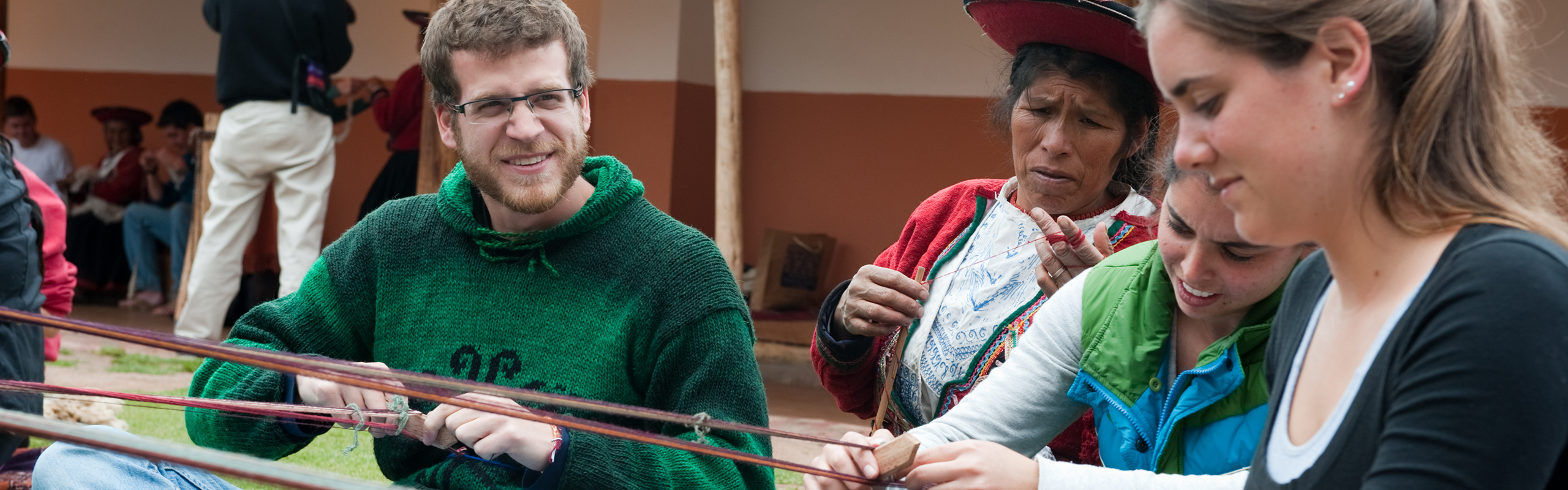
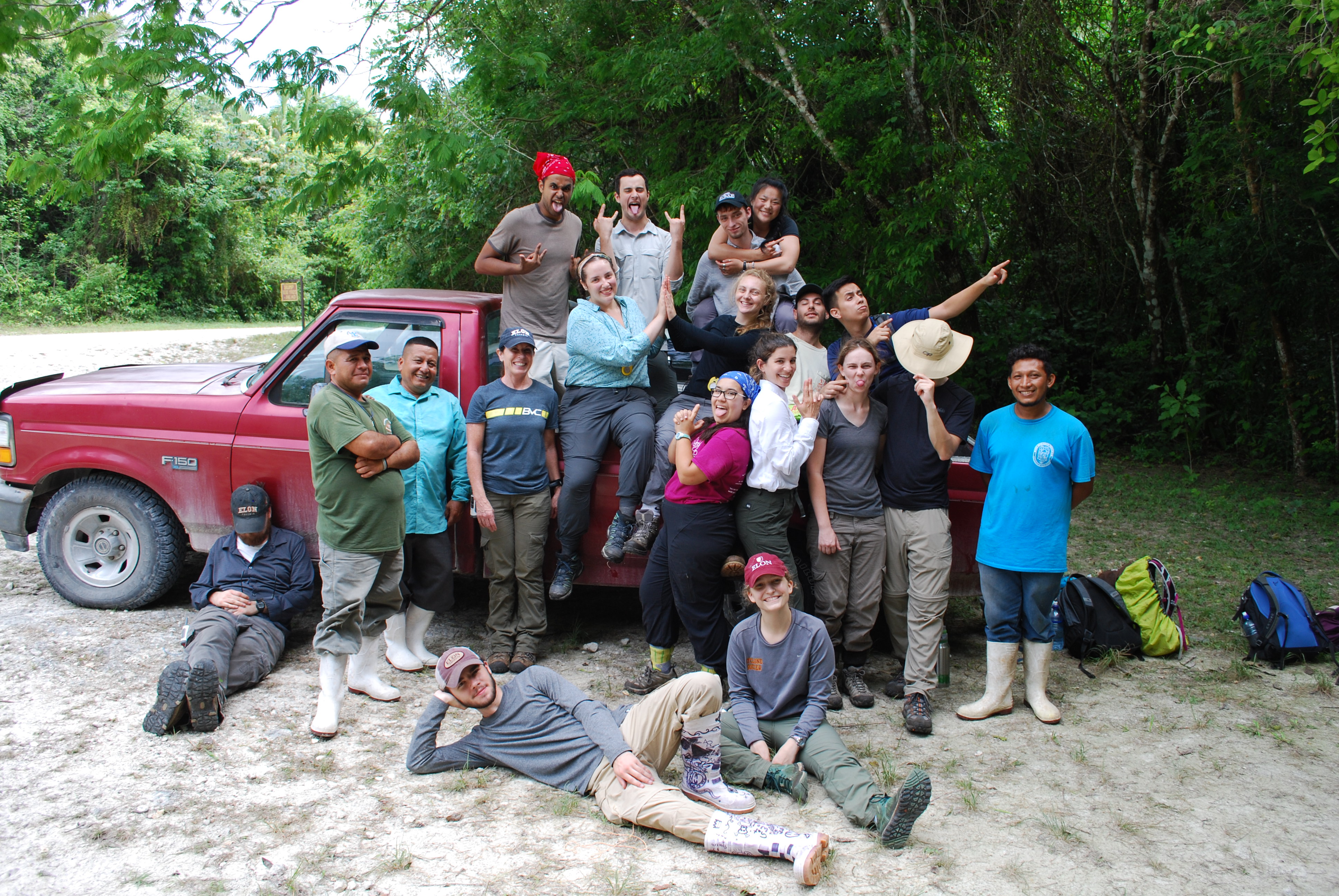
The Department of Sociology and Anthropology participates fully in Elon University’s Studies Abroad Program. Department faculty members have led semester-long courses in London and Australia, and there are plans to do so in Florence, Italy. Winter term study abroad courses have been offered in London, Australia, New Zealand, Peru, and Ghana, as well as service-based courses in Guatemala and Brazil. Summer term courses have also been offered in Brazil.
What are the
career options for those who study sociology and
anthropology?
Anthropology and sociology can lead to work in a wide
variety of fields. Anthropology students often go on to
work in education, government, social services, museums,
business and the private sector, just to name a few.
Those with degrees in sociology work in fields such as
criminal justice, human services, demography, business,
education, community relations, social science research
and more.
What about graduate
school?
Many students who study sociology and/or anthropology
decide to pursue a graduate degree in one of these
fields. A graduate degree can take several shapes:
Ph.D., Doctorate of Philosophy in either Sociology or
Anthropology. This degree affords you the
opportunity to teach in a college or university setting
as a full faculty member with tenure track potential.
With a doctorate, you would also be able to work in an
applied field using your research and analytical
expertise.
M.S., Masters of Science in Sociology. This degree
enables you to teach in a community college setting while
also providing necessary research and analytic training
to pursue careers in applied settings, such as research
and technology positions, government policy centers, and
evaluation research centers.
M.A., Masters of Arts in Sociology. This degree is
a more applied degree, and is not offered through all
graduate programs. Typically a two-year program, this
degree enables you to work in an applied field with a
higher level of qualification for the job than some other
candidates.
|