|
|
Sociology and Anthropology Internships
The Department of Sociology and Anthropology offers students the opportunity
to engage in internships in service, research, teaching and work/corporate
settings. These internships enhance students' knowledge of sociology and/or
anthropology in two ways. First, internships are opportunities for students
to apply their knowledge to real-life settings in service to the community,
academic research, teaching or in profit-oriented occupational settings,
thus furthering their skills in applying their knowledge in practical
ways. Second, internships allow students to gain a deeper understanding
of the sociological and anthropological concepts, theories and ideas which
underlie these disciplines. The following four types of internships allow
students to enhance their academic lives personally and intellectually,
while gaining practical experience to further the achievement of their
goals:
Service learning: In service-learning internships, students work in
a community service agency or organization or other non-profit organization
whose goal is to provide some form of service to community members in
need. Examples include rape crisis, alcohol abuse centers, homeless shelters,
family violence, suicide hotlines, meals-on-wheels, youth-service centers,
environmental organizations, counseling organizations and many other forms
of agencies and non-profit organizations that provide community support.
Service-learning promotes intellectual and civic engagement by linking
the work students do in the classroom to the problems and needs of people
in the real world. Through service-learning internships, students engage
in experiences that help them develop organizational, team and problem-solving
skills, the competencies and foundations for a career, and a commitment
to responsible citizenship.
Work/corporate: The work/corporate internship generally entails
the student's working in a business setting or other for-profit organization.
Examples may include insurance companies, banks, investment firms, summer
camps, for-profit day-care centers, office work and almost any work setting.
This internship is geared to students who wish to apply their knowledge
of sociology and/or anthropology in order to learn about the structure
and culture of a particular organization, to gain experience in using
specific sociological/anthropological skills in the workplace, to gain
work experience in a particular type of occupational setting, and to increase
their potential of being employed in a particular occupation. Work/corporate
internships offer students the opportunity to apply the research and knowledge
of sociology and/or anthropology within a particular occupational setting,
thus enhancing their knowledge of sociology and/or anthropology while
gaining a sense of their usefulness within the workplace.
Teaching: The teaching internship entails the student's working as
a teaching assistant to a professor in a particular course. This internship
is geared to students who wish to deepen their knowledge of sociology
and/or anthropology, to gain a sense of the professional academic life,
to have the opportunity to develop their interpersonal and communication
skills, and to develop their leadership skills. The teaching internship
is extremely valuable for the students who wish to pursue graduate education
in sociology or anthropology and/or for those who might pursue a career
in academia.
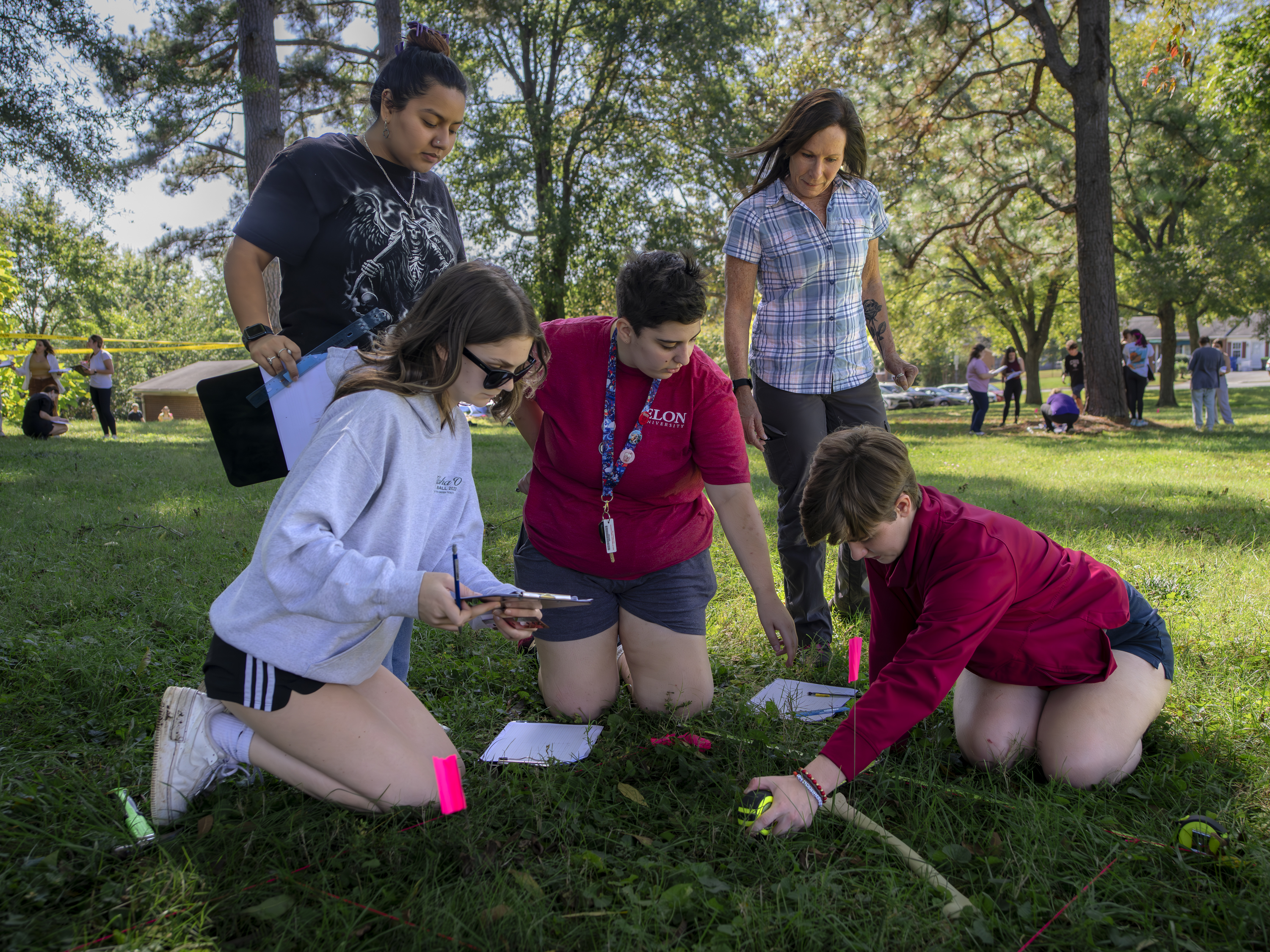
Research: The research internship entails the student's working
with a faculty member who is conducting a research project. The student
is provided with opportunities to assist the professor in conducting his/her
research through activities such as word processing, information retrieval
(library and computer searches), reading and reviewing written material,
discussing research questions and issues, and other activities pertinent
to the research project. By acting as a research assistant to a faculty
member, the student is placed in a mentoring situation where he/she is
exposed to the complexity and rigor of the research process. The student
may contribute directly to a professional presentation or publication
of the faculty member. This internship is particularly beneficial to students
who wish to pursue graduate education.
|