


The Elon sociologist's new study examines how Black Americans see the relationship between multiraciality and Black identity.
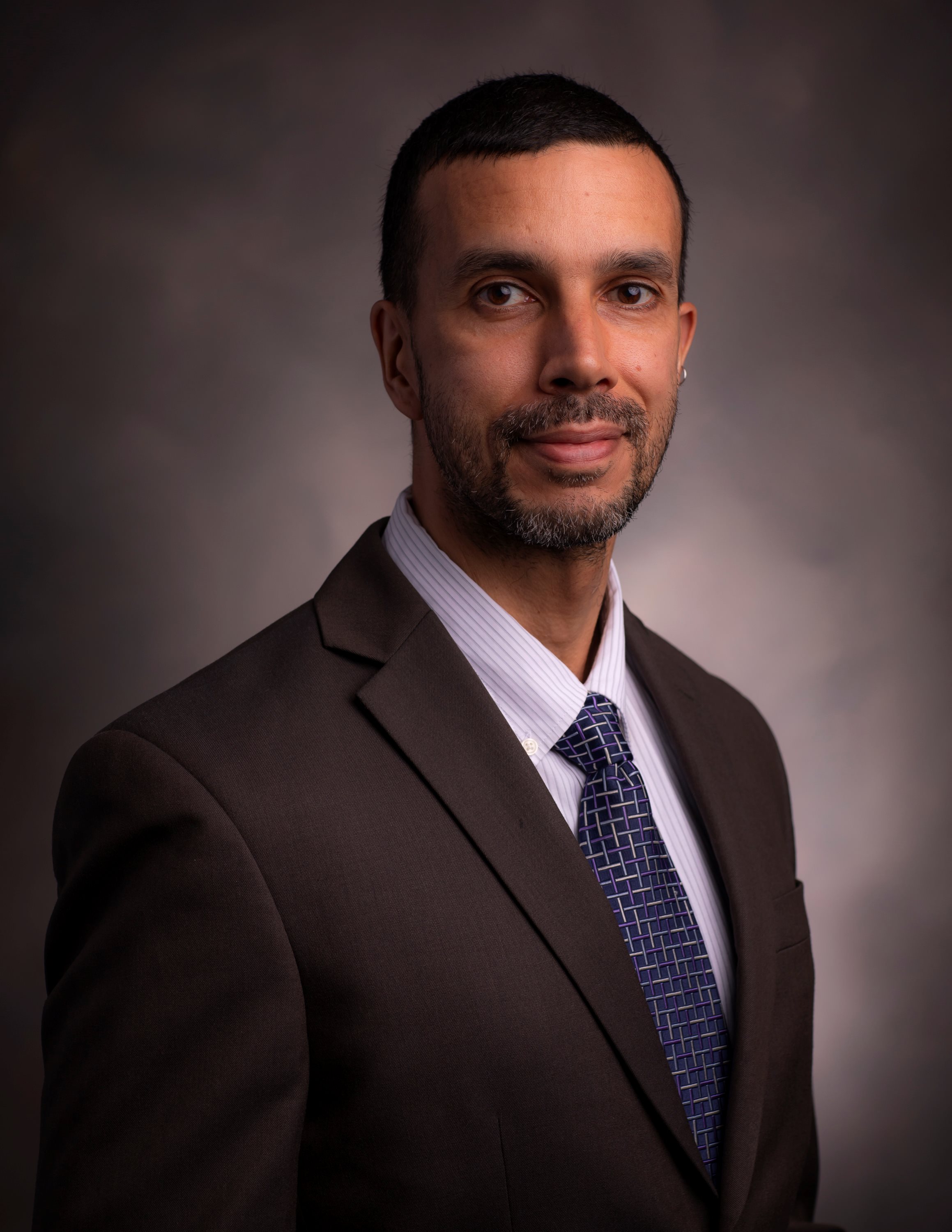
Associate Professor of Sociology Raj Ghoshal has published new research that examines how Black-alone and multiracial Black Americans think about Black identity. The article, entitled “Who is Black? Black Americans’ Views on Multiraciality and Black Identity,” draws on qualitative and quantitative data from 163 Black American adults.
Ghoshal’s article notes that previous studies had investigated the possibility of divisions emerging between Americans who consider themselves Black-alone and those who identify as Black and at least one other race. These studies frequently assumed that if monoracial and multiracial Black Americans were to see Black identity differently, the division and possible community fracture would concern whether multiracial Black Americans were equal members of the Black community.
Ghoshal’s research finds that monoracial and multiracial Black Americans do indeed see Black identity differently in some notable ways, but that they are not divided on whether multiracial Black Americans are full community members: both groups agree that they are. Instead, the groups differ in how important they think cultural-experiential factors and other people’s racial appraisals are in Black identity. For instance, Black-alone Americans see family experiences with slavery and segregation, as well as what race others judge a person to be, as more important elements of Black identity than do their multiracial counterparts. Strikingly, whether respondents are monoracial or multriacial shapes their views on these questions more strongly than other factors like their political ideology, educational attainment, gender, region, or age.
Ghoshal argues that the fact that on-average differences of opinion between monoracial and multiracial Black Americans about Black identity exist, yet have nothing to do with monoracial and multiracial identity, constitutes the “Black-multiracial identity paradox.” He suggests that this concept helps explain why diverging opinions have not fractured Black identity in the ways prior researchers believed they might.
Ghoshal’s research was supported by Elon’s Faculty Research and Development. The study appears in the journal Socius, an official publication of the American Sociological Association.