



After scammers posing as bank and federal officials stole more than $250,000 from her, Kaitlin Henze ’12 began sharing what she learned so others can recognize the tactics and victims do not have to recover alone.
Before Kaitlin Henze ’12 could talk publicly about being scammed, she had to stop blaming herself.
“I was ashamed. I was embarrassed. I kept everything to myself,” Henze said.
In May 2023, a call that appeared to come from the Wells Fargo fraud department set off a three-week scheme. The people on the phone claimed Henze’s identity had been tied to money laundering, then posed as federal officials offering to help. They sent badges, letters and other documents that looked real.
By the time Henze understood what was happening, the scammers had emptied her savings, retirement and investment accounts, maxed out her credit cards and stolen more than $250,000.
Henze now speaks openly about the scam, works with groups that support financial education and talks with other victims. She is also an education and outreach specialist at ‘storytelling with data,’ where she builds partnerships and programs for students and educators.
Her Elon experience still shows up in that work. Henze majored in human service studies, joined the Isabella Cannon Leadership Fellows program and still calls mentors she met on campus. She recently spoke with Today at Elon about the path from Menlo Park, California, to Elon, the career she built after graduation and why telling the hardest part of her story has become part of her recovery.
This conversation has been edited for length and clarity.
Q: You grew up in Menlo Park, California. What brought you across the country to Elon, and what shaped your experience once you arrived?
A: I was looking at smaller liberal arts colleges, but I wasn’t necessarily looking to go far from home. A neighbor who had moved from North Carolina told us she had heard Elon was a great school. My mom and I visited during my junior year of high school, and I immediately fell in love with it. There was a particular energy I had not felt on other campuses. The tour, eating in the dining hall, seeing a residence hall and meeting students all felt thoughtful and welcoming. I knew pretty quickly that Elon was the right choice for me.
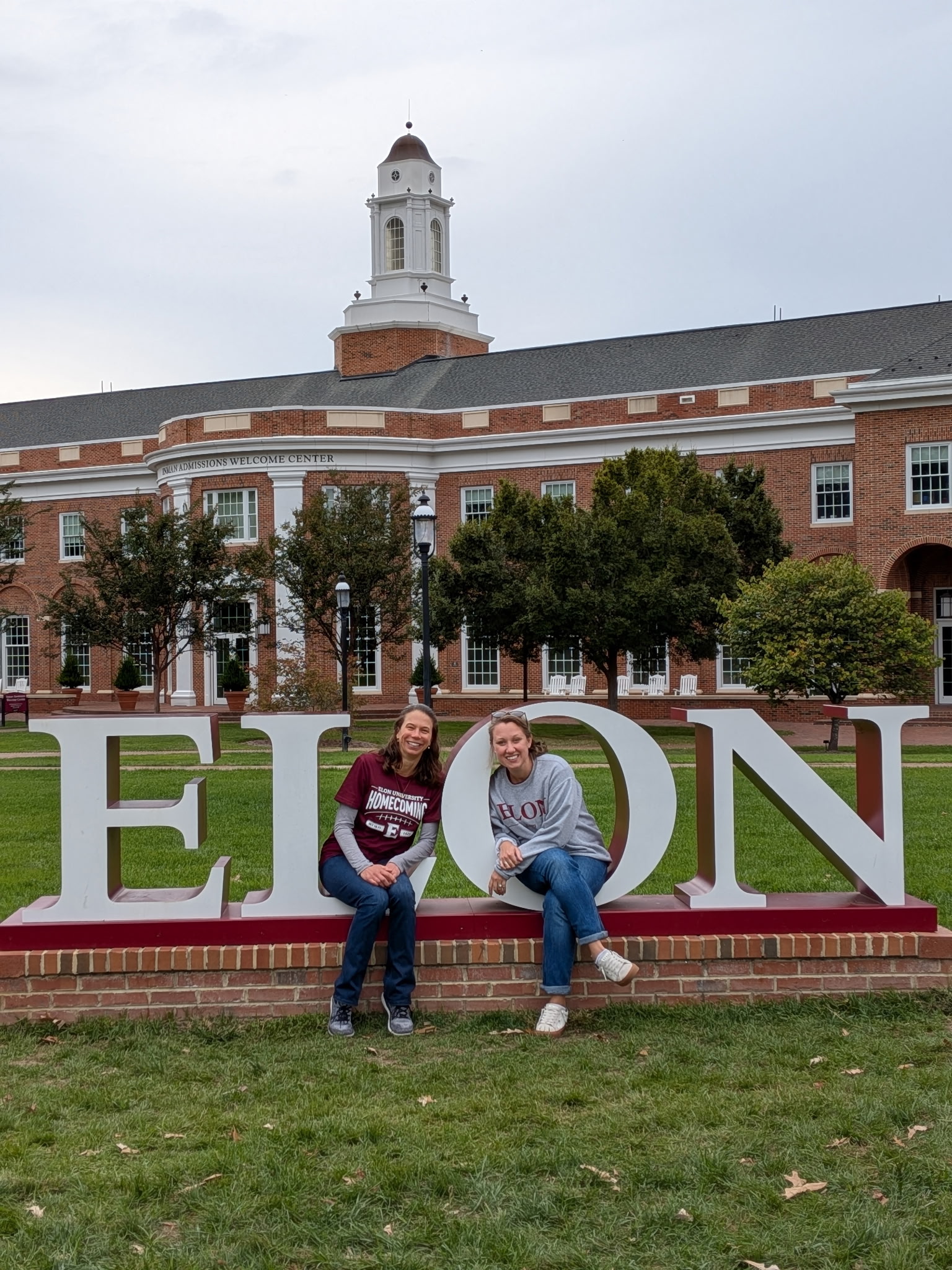
I majored in human service studies with minors in business administration and leadership studies. I was also an Isabella Cannon Leadership Fellow and served on New Student Orientation Head Staff.
Two mentors stand out. Professor Chris Leupold taught my first psychology class, which was also my first class at Elon. I took several more classes with him, and we still talk frequently. He has been a mentor throughout my career. Rex Waters, former dean of student development and led the Leadership Fellows program, was also tremendously influential.
Elon gave me more than book learning. Leadership, communication and long-term professional development were built into the experience, and that has stayed with me.
Q: How did those experiences guide the career you built after graduating in 2012?
A: Elon Career Services connected me with SPX Corporation at a career fair. I joined its human resources rotational program in Charlotte in June 2012, one month after graduating.
Human resources brought together the things I cared about in psychology, social work and human services with the business side of an organization. After several years in HR, I moved into organizational effectiveness, change management and strategy work. In 2023, I started my own consulting business and worked with nonprofits, small businesses and universities. One of my favorite projects brought me back to Elon to work alongside the university’s Human Resources team.
Today, I work for ‘storytelling with data,’ where I build education partnerships and programs. Leadership Fellows helped me develop the curiosity and entrepreneurial mindset I still use to understand what people need, create a solution, try it and adjust when it does not work the first time.
Q: What happened in May 2023, and what helped you decide to share it publicly?
A: It started with a phone call. My caller ID said “Wells Fargo Fraud,” and I banked with Wells Fargo, so I answered. The caller told me there was suspicious activity connected to my account and that the transfers were tied to money laundering. Then I was transferred to someone who claimed to be with the Federal Trade Commission.
I panicked. I thought someone had stolen my Social Security number and that I could be blamed for a crime. Over the next three weeks, the scammers walked me through gift-card purchases, wire transfers and bitcoin transactions. They told me I was securing my money. In reality, I emptied my bank accounts, my 401(k) and my investment accounts. I also maxed out my credit cards.
It is easy to look back and ask why anyone would do those things. In the moment, these people knew how to keep me afraid and earn my trust. They already had personal information about me. When I questioned them, they sent what looked like official badges and signed letters. Every skeptical question had a believable answer.
They stole more than $250,000. That money represented years of work. I had been saving since I started working as a teenager, and I began contributing to my 401(k) as soon as I got my first job after Elon.
At first, I did not tell people because I felt ashamed and embarrassed. Part of healing was accepting that it was not my fault. I cannot change what happened, but I can share what I learned. If my story helps one person pause before acting, or helps another victim feel less alone, then speaking about it matters.
Q: What do people misunderstand about scams like this, and what have you learned from other victims?
A: People still picture an obvious phishing email or a call that sounds suspicious right away. Those scams exist, but criminals can also spoof a familiar phone number, find personal information online and create documents that look legitimate. They create urgency because panic makes it harder to slow down and question what you are hearing.
Since I began sharing my story, people have contacted me about their own experiences. Some lost $500. Others lost $5,000 or much more. The amounts are different, but the shame and isolation can feel the same.
Those conversations have helped me heal. I have also spoken with Wisconsin law enforcement officers about how they can support fraud victims and volunteered with SecureFutures, a Milwaukee nonprofit that teaches financial skills to young people. Knowing that I might help someone recognize a scam or simply remind a victim that they are not alone brings me a lot of joy.
Q: What changes would you like to see for people recovering from fraud?
A: Victims need practical support right away. I was employed and still had a mortgage, bills and groceries to pay after losing everything. Friends and family helped me, but not everyone has that kind of support system.
I would also like to see a simpler reporting process. I had to repeat my story and submit the same documents about seven times to different agencies. Each report took hours, and each retelling brought me back into the trauma. I understand that agencies have different responsibilities. I still hope they can make the process easier for people who are already overwhelmed.
Q: What can readers do now to protect themselves?
A: First, slow down. Scammers want you to panic and act before you talk to anyone else. Caller ID is not proof of who is calling. Hang up, then contact the bank, company or government agency through its official app, website or the number on the back of your card. Talk with someone you trust before moving money or sharing information. A bank or government agency will not tell you to buy gift cards or move money to “protect” it.
Use a strong, different password for each account and turn on multifactor authentication wherever it is offered. Never give an unexpected caller a verification code. I also encourage people to request an IRS Identity Protection PIN, which adds protection against someone filing a federal tax return with your Social Security number.
A few extra minutes can prevent years of stress and recovery.
Q: What do you want current Elon students and recent graduates to carry with them?

A: Life is not always going to follow your plan. Challenges will come, and you get to decide what you do with them. You can learn, build resilience and use what happened to help other people.
There is a Latin phrase I live by now: amor fati, or “love of fate.” To me, it means trusting that whatever life brings can shape what comes next. You cannot control everything that happens to you. You can control how you respond.
People who experience identity theft can report it and build a recovery plan at IdentityTheft.gov. The Federal Trade Commission accepts fraud reports at ReportFraud.ftc.gov, and the FBI’s Internet Crime Complaint Center accepts reports at IC3.gov. The IRS explains how to request an Identity Protection PIN. Learn more about teen financial education and volunteer opportunities at SecureFutures. Henze also created a scam resources and prevention guide with additional information for protecting yourself and responding to fraud.