Elon University Home

Environmental Studies Courses
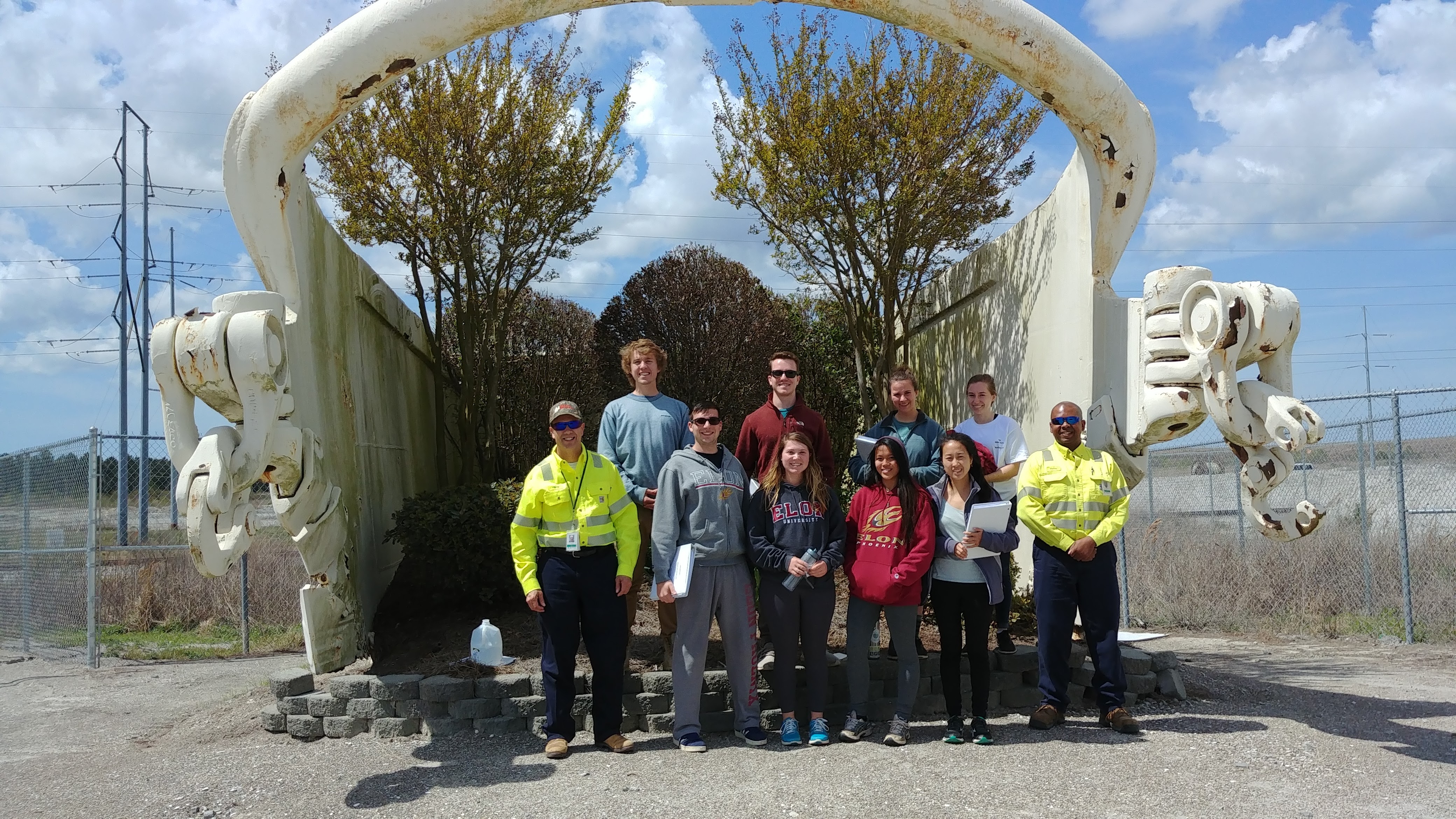
ENS 101. CURRENT ISSUES IN ENVIRONMENTAL SCIENCE 4 sh

Designed for non-science majors, this course focuses on reading, interpreting and evaluating facts behind environmental issues and exploring the implications for science and human society. Topics will focus on understanding environmental processes such as energy flow and matter within ecosystems and human relationships with these environmental and ecological systems. Themes of sustainability will be woven throughout the course. No credit toward the Environmental Studies major, the Environmental and Ecological Science major or Environmental and Sustainability Studies minor. Satisfies the non-laboratory science requirement of the General Studies program. Offered fall.
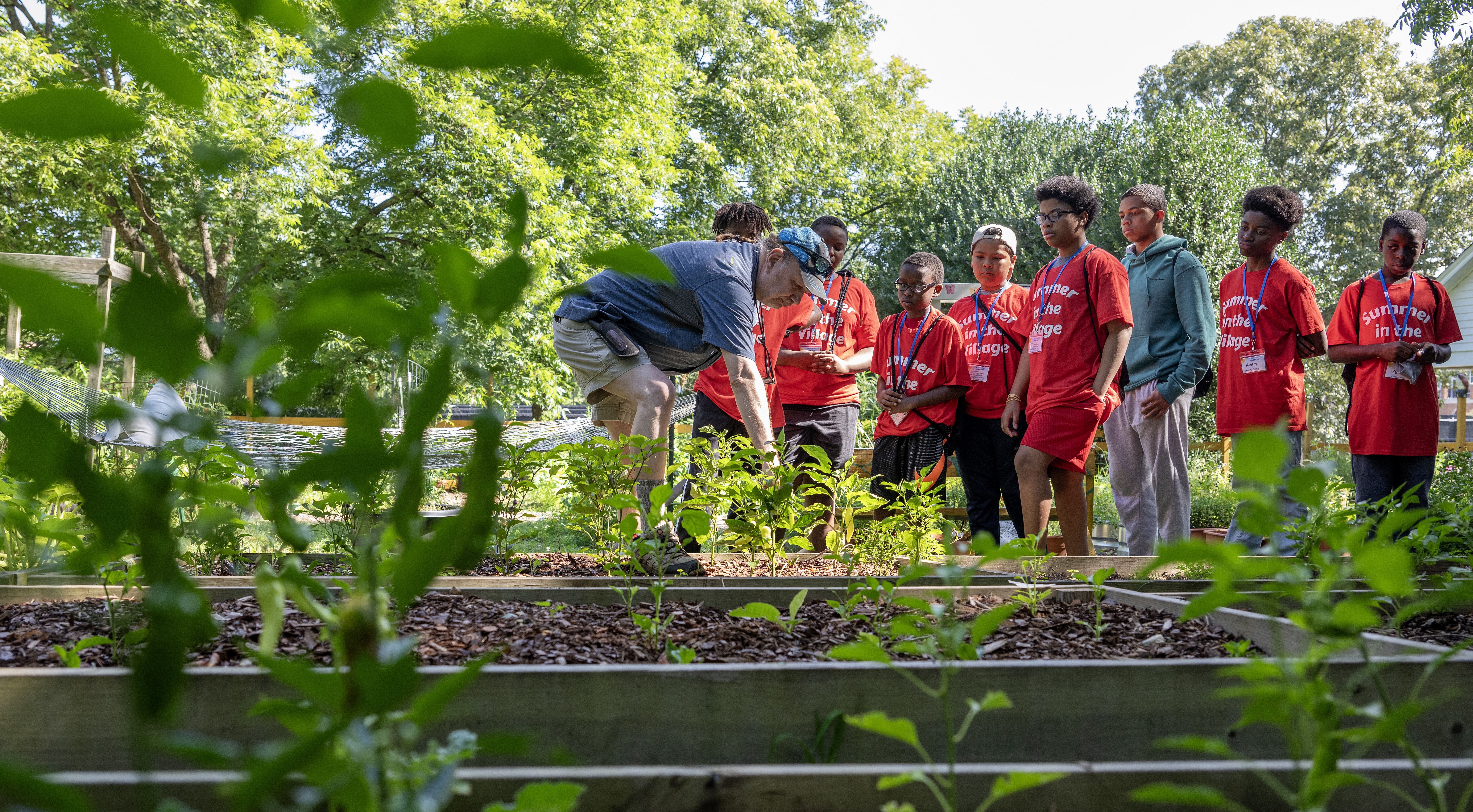
ENS 110. HUMANS AND NATURE 4 sh

This course introduces a multidisciplinary perspective on environmental issues, concentrating on such topics as the historical transformations of the human relation to nature; understandings of the roots of the current crisis from diverse philosophical and spiritual perspectives; the sociology, politics and economics of environmental issues as they currently stand; and an exploration of our imaginative and expressive (artistic, literary, and poetic) resources for articulating the current crisis and seeing our way beyond it. Field trips and special readings introduce these questions in the context of North Carolina’s Piedmont region. Satisfies the Society requirement of the General Studies Program. Offered fall and spring.

ENS 111. INTRODUCTION TO ENVIRONMENTAL SCIENCE 3 sh

This course explores the fundamental principles of the biological and physical sciences behind natural ecosystems. The central focus is the study of ecosystem function, human impact and techniques of environmental assessments. Students consider different world views and the development of solutions. Satisfies the laboratory science requirement for General Studies. Corequisite: ENS 113. Offered fall and spring.

ENS 113. INTRODUCTION TO ENVIRONMENTAL SCIENCE LAB 1 sh

Students will be introduced to techniques for environmental assessment. The focus is on field research as applied to environmental management. One 3-hour laboratory per week. Corequisite: ENS 111. Offered fall and spring.

ENS 200. STRATEGIES FOR ENVIRONMENTAL INQUIRY 4 sh

This course consists of in-depth examination of different ways of thinking about and studying the environment, with a primary emphasis on conducting scholarly work within an interdisciplinary framework. Topics include: researching and writing literature reviews; qualitative and quantitative research methods used in natural sciences, social sciences and the humanities; basic empirical design and statistical methods; stakeholder analysis; and analysis of value systems. This course is designed for Environmental Studies and Environmental and Ecological Sciences majors, but may be useful for other students. Prerequisite: ENS111/113 or ENS110. Offered spring.
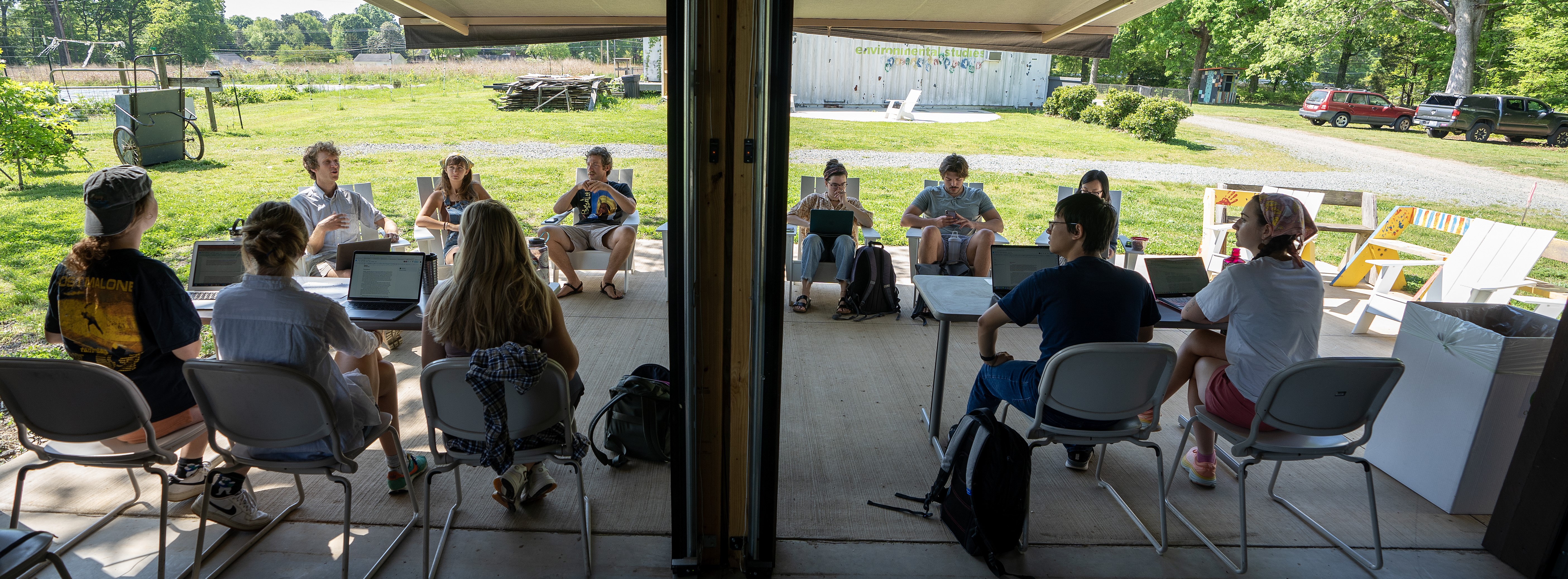
ENS 215. DIVERSITY OF LIFE 4 sh

This course examines the basic concepts of biological form and function, based on evolutionary relationships and diversity. Students investigate the natural history of local species and their role in community dynamics. Laboratory experiences emphasize field investigations, including sampling techniques, species identification and data analysis. Satisfies the General Studies lab science requirement. This course can be used for the major in Environmental Studies and the Elementary Education concentration in Society and Environment, as well as a minor in Biology. No credit toward the Biology major. Prerequisites: ENS 111/113 or BIO 112/114. (ENS 215 is cross-listed with BIO 215). Offered spring.

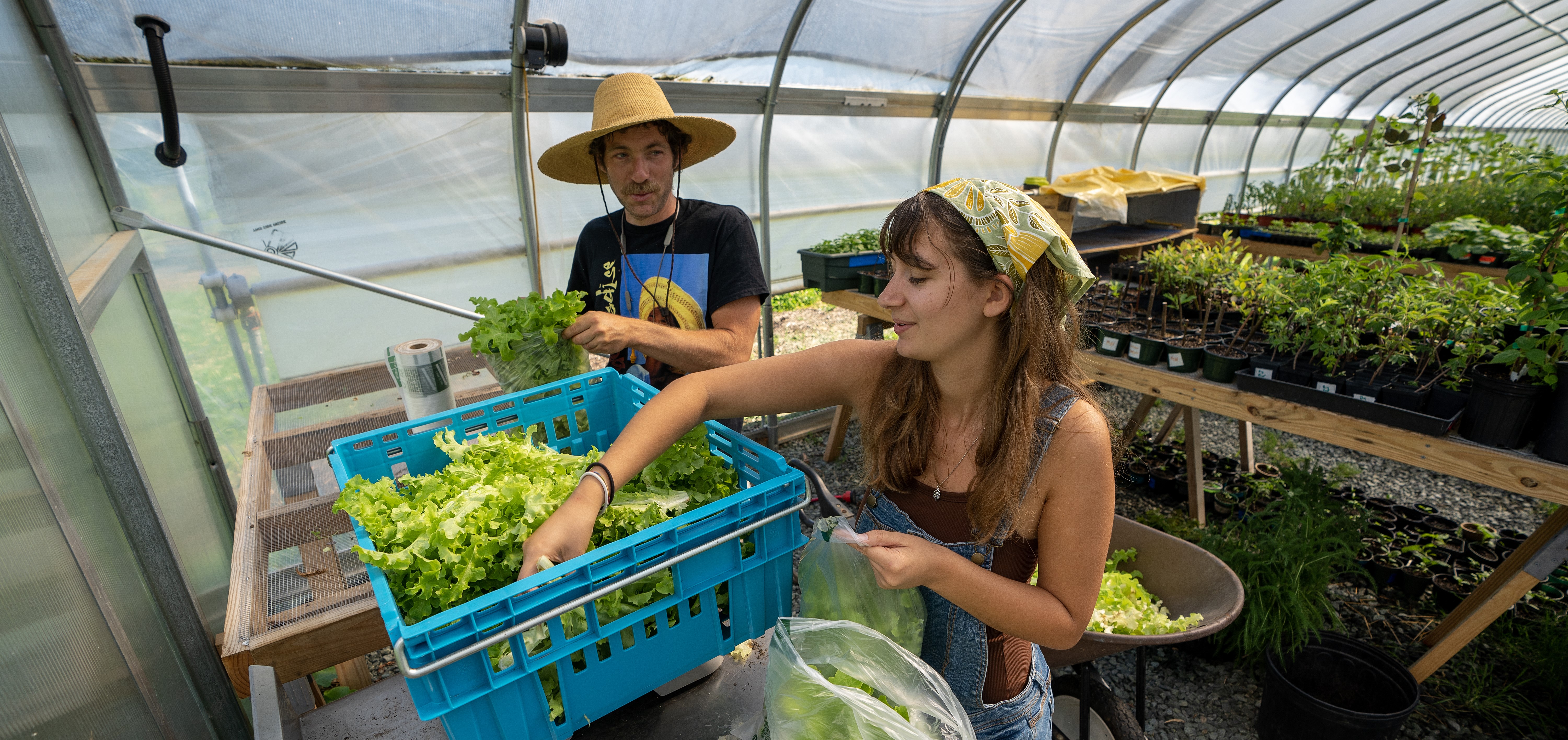
ENS 220. ORGANIC GARDENING AND SUSTAINABLE FOOD PRODUCTION 4 sh

An introduction to the theory and practice of organic and bio-intensive gardening and sustainable food production. Students will learn about the seasonal cycle of gardening and how to plan and lay out a new garden and raise and harvest their own fruits and vegetables. The course will also touch upon sustainable orchard and vineyard practices. Students will be able to apply what they learn through field demonstrations and hands-on experience at a small organic farm. They will have an opportunity to harvest seasonal fruits. Field trips will introduce students to sustainable animal husbandry practices at local farms. Offered summer.

ENS 250. INTRODUCTION TO GEOGRAPHIC INFORMATION SYSTEMS 4 sh

In this course, the student will be introduced to the concept of visualizing, exploring and analyzing data geographically. The student will obtain hands-on experience of display, analysis and presentation of mapping functions using the latest ArcGIS software. Assignments will be geared toward environmental management and decision making. Cross-listed with GEO 250. Satisfies the society requirement of the General Studies program. It cannot be applied toward the Science requirement. Offered fall and spring.

ENS 310. ENVIRONMENTAL ISSUES IN SOUTHEAST ASIA 4 sh

This course focuses on the environmental issues facing the island nations and the mainland countries of Southeast Asia. The major environmental problems in this region of the world include deforestation, soil erosion, habitat destruction, habitat fragmentation, water pollution from mineral extraction and industry, unsustainable harvesting practices and rising rates of disease. Emphasis will be placed on the demographic, cultural, political, religious, economic and ecological reasons for the current state of the environment of Southeast Asia. Practical solutions to reduce environmental degradation and promote sustainable development will be examined. This course cannot be used to satisfy a Science requirement. Satisfies a requirement of the Asian regional concentration of the International Studies major and the Asian Studies minor. Offered spring of alternate years.

ENS 320. RESTORATION ECOLOGY 4 sh

The restoration of ecosystems involves the intentional activities by humans that initiate or accelerate the recovery of an ecosystem with respect to its health, integrity and sustainability. Students will learn to assess the health, function and value of ecosystems, with a goal of establishing restoration targets and objectives. They will explore varied restoration approaches and techniques for evaluation of success through specific case studies, field labs and field trips to restoration projects in North Carolina that will be held outside of scheduled classroom times. Three class hours, one laboratory per week. Satisfies the lab science requirement of the General Studies program. Prerequisites: ENS 111/113, or BIO 112/114 or permission of instructor. Offered fall of odd-numbered years.

ENS 330. WILDLIFE ECOLOGY 4 sh

This course will introduce students to the field of wildlife ecology, giving them a sound background in its theory and practice. It will also introduce students to applied methodology for studying wildlife including experimental design, survey techniques and data analysis. Three class hours and one laboratory per week. Satisfies the laboratory science requirement of the General Studies program. Prerequisites: ENS 111/113, or BIO 112/114 or permission of instructor. Offered fall of even-numbered years.

ENS 340. WATER RESOURCES MANAGEMENT 4 sh

This course focuses on the role that water plays in human and environmental systems by examining the cycling and spatio-temporal distribution of water, exploring the importance of water to biological processes and human use of the land, and evaluating water policies, laws and economics. Using case studies, field visits, and applied exercises, students will gain a broad exposure to the challenges of natural resource management in the 21st century. Satisfies the Society requirement of the General Studies program. No prerequisites. Crosslisted as GEO 340.

ENS 346. WETLAND ECOLOGY AND MANAGEMENT 4 sh

This course will present the biological, chemical and physical properties of wetland ecosystems in North America. Topics will include hydrology, biogeochemistry, biological adaptations, ecology and functional aspects of wetlands. Principles behind wetland classification, delineation and management will also be introduced. This class will maintain a strong field component involving field techniques, monitoring and evaluation of wetlands. At least two weekend fieldtrips, involving rigorous scientific inquiry, will be required. Prerequisites: BIO 231 or ENS 215 or permission of instructor. Cross-listed as BIO 346.

ENS 350. ENVIRONMENTAL VISIONS 4 sh

This course explores emerging alternative, long-term, “green” visions of the future far beyond the familiar responses to the ecological emergency of our times. What might fully realized eco-visionary social and technological systems look like? Might our relations with other-than-human beings be completely transformed? Might environmentalism itself evolve as we move beyond the Earth itself ? Students end by developing an environmental vision of their own. Satisfies the expression requirement of the General Studies program.

ENS 359. SPECIAL TOPICS SEMINAR 2-4 sh

Each seminar is a non-laboratory discussion course that focuses on one environmental topic determined by student and faculty interest. Must have instructor’s consent.

ENS 360. GREEN DESIGN: ENVISIONING A SUSTAINABLE FUTURE 4 sh

This course introduces students to a broad range of green design solutions to sustainability issues facing our culture. The goal of this course is to explore a broad range of architectural, technological and sustainable energy design choices in terms of their practicality, efficiency, cost effectiveness and environmental impact. Students will be encouraged to look beyond conventional building designs, urban and land-use planning, automotive transportation systems, fossil-fuel energy sources, industrial food production to invent green and sustainable alternatives.

ENS 381. INTERNSHIP IN ENVIRONMENTAL STUDIES 2-4 sh

An internship provides work experience at an advanced level in environmental policy, planning, management or science. Prerequisites: Junior/senior standing as an Environmental Studies major and permission of the Environmental Studies department chair. Offered fall, winter, spring or summer.
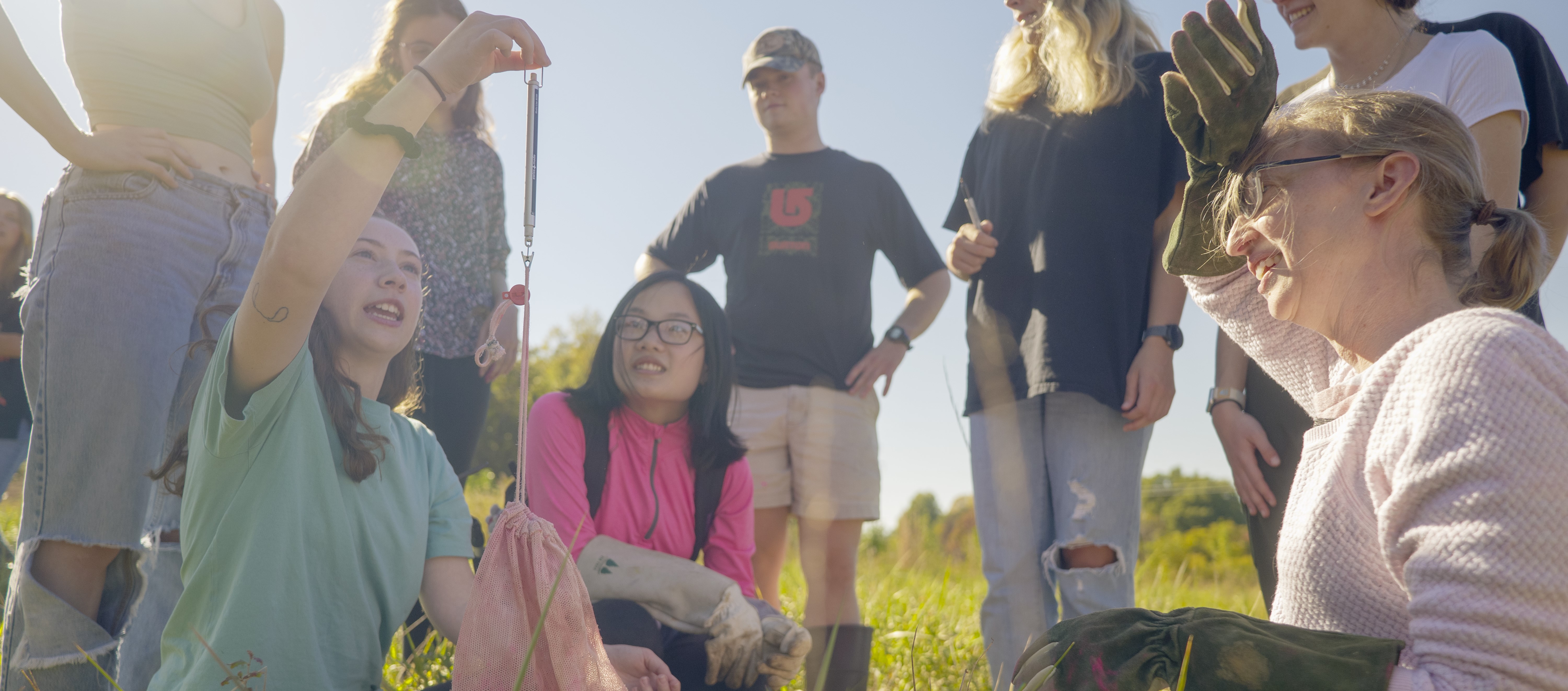
ENS 461. SEMINAR: ENVIRONMENTAL IMPACT ASSESSMENT AND POLICY DEVELOPMENT 4 sh

Students work as a design and management team on a semester-long local or regional environmental project. Students must be able to analyze data, conduct field research and critically analyze studies and other materials associated with environmental issues. They must also recognize the value of community partnerships in their work, and to work effectively with these partners and stakeholders. The goal of this course is for students to improve and demonstrate these cross-disciplinary skills. Prerequisite: senior standing as an Environmental Studies major or Environmental and Ecological Science major. Offered fall.