Biology

Discover What a Biology Degree at Elon Can Do For You
Biology is the study of life in all its diverse forms. As a species, we have always been deeply fascinated by other living creatures. Early humans’ dependence on other animals and plants for food, medicine and shelter fostered an appreciation for life’s interconnectedness. Modern society has rediscovered these relationships in the face of such challenges as global warming, rain forest destruction, AIDS, rising cancer rates and industrial pollution.
As a biology major at Elon, you’ll gain a strong foundation in biological sciences that prepares you for a wide range of careers or postgraduate education in medical and health professions, teaching and industry. We offer programs leading to Bachelor of Arts or Bachelor of Science in Biology degrees, including:
 Bachelor of Science, Biology: Integrative Biology track
- Bachelor of Science, Biology: Foundation in Medical Science track: Allied Health
- Bachelor of Science, Biology: Foundation in Medical Science track: Human or Veterinary Medical
- Bachelor of Science, Biology: Biotechnology + Molecular Biology track
- Bachelor of Arts, Biology
We also offer a biology minor tailored to students majoring in other disciplines.
Why choose a biology major at Elon?
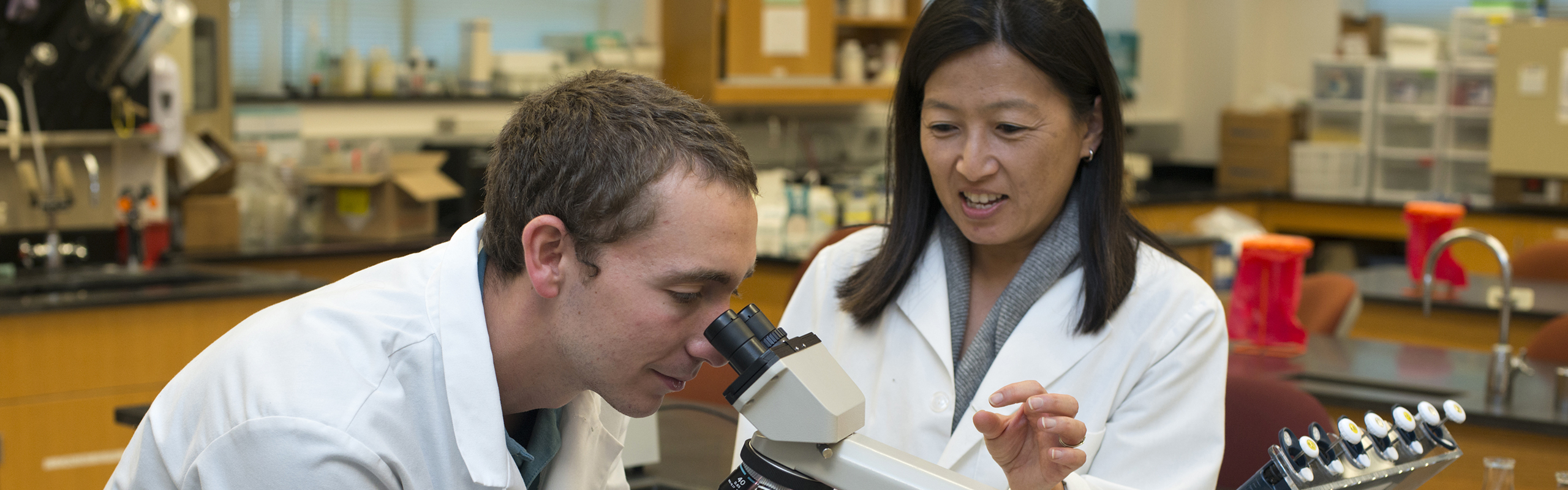
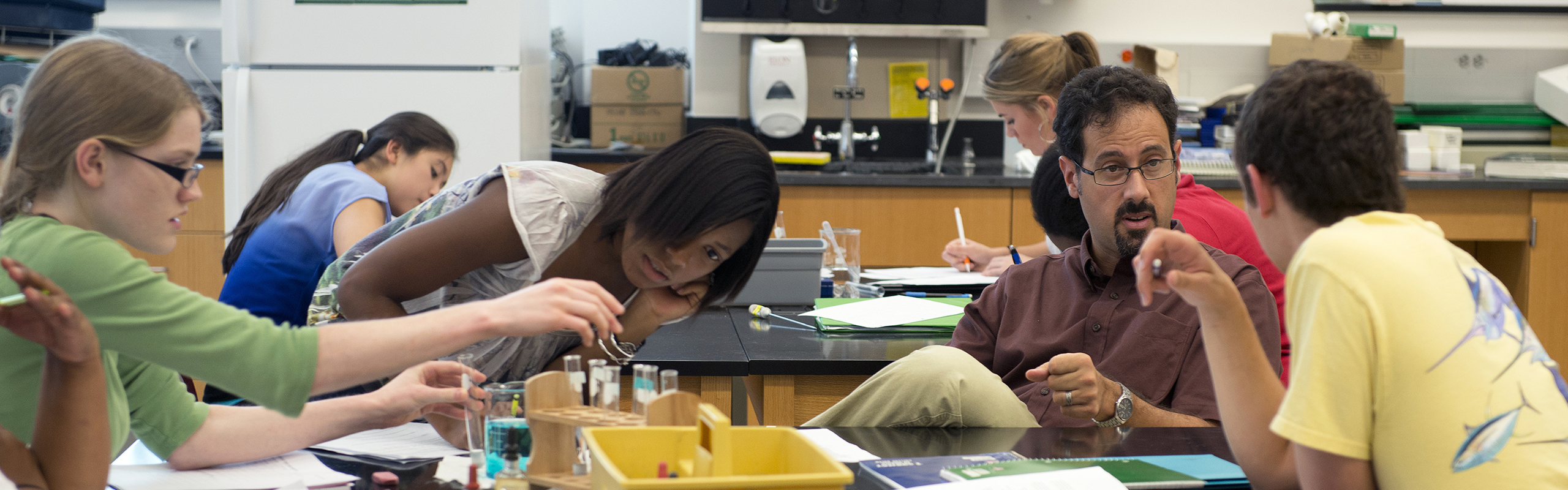
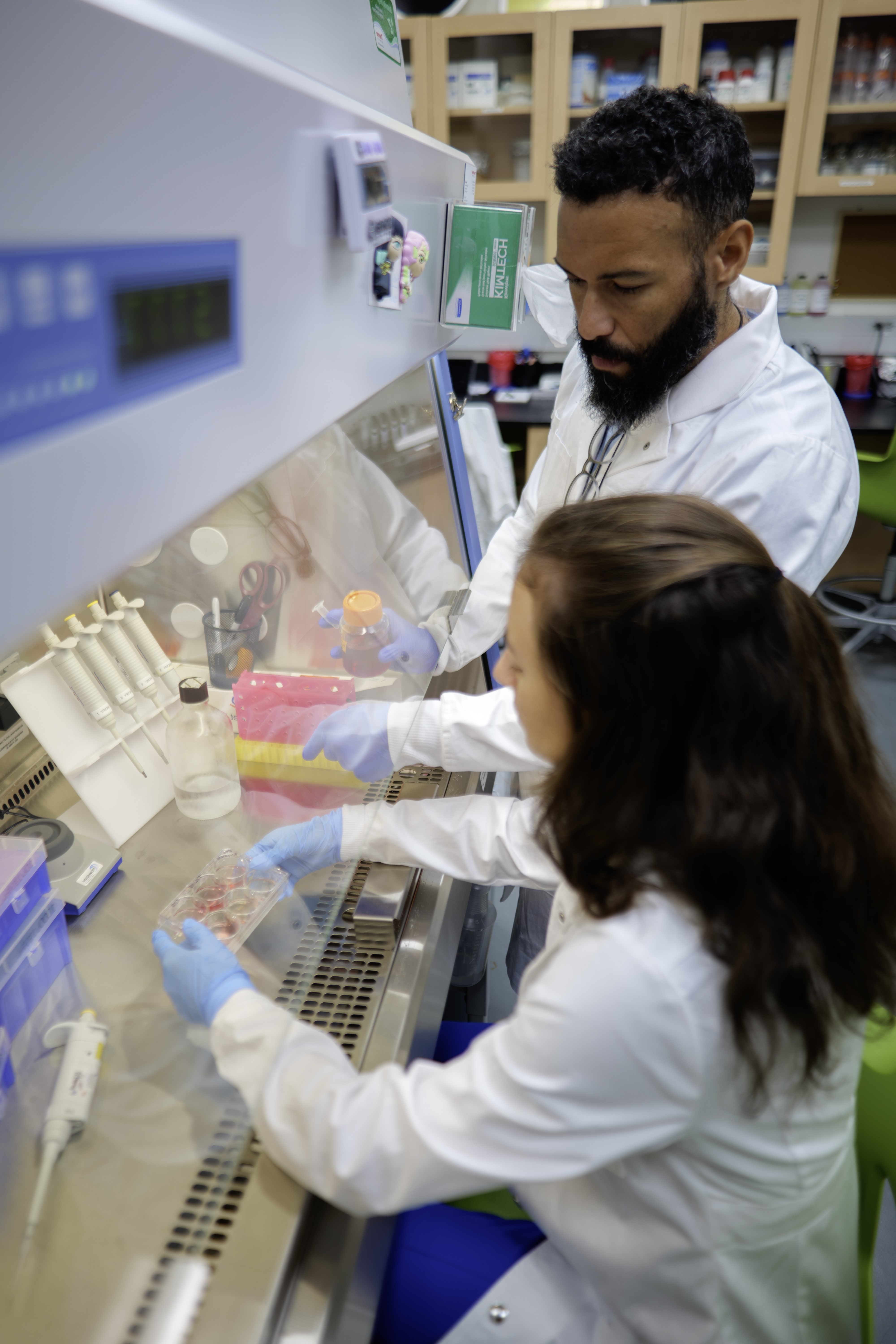
As a biology major at Elon, you’ll participate in hands-on learning experiences in the classroom, laboratory and field.
We focus on science as a process, not merely a collection of established facts. Our programs include rich opportunities in undergraduate research, off-campus experiences and research seminars that encourage creative approaches to biological problems.
Our faculty are teachers, scholars and mentors who make concepts engaging and accessible. Our biology program enables students to:
- Expand critical thinking and problem-solving skills to better understand and meet present and future biological challenges;
- Grow competency in information retrieval, use and analysis;
- Develop an understanding of the latest technologies utilized in biological investigation;
- Acquire broad-based knowledge of biological concepts from molecules to ecosystems; and
- Participate in an experiential learning opportunity through research, internship or laboratory assistantship.