


The effects of social media on children continues to be a pressing issue and psychology professor Bilal Ghandour is exploring the topic through presentations to parents and research.
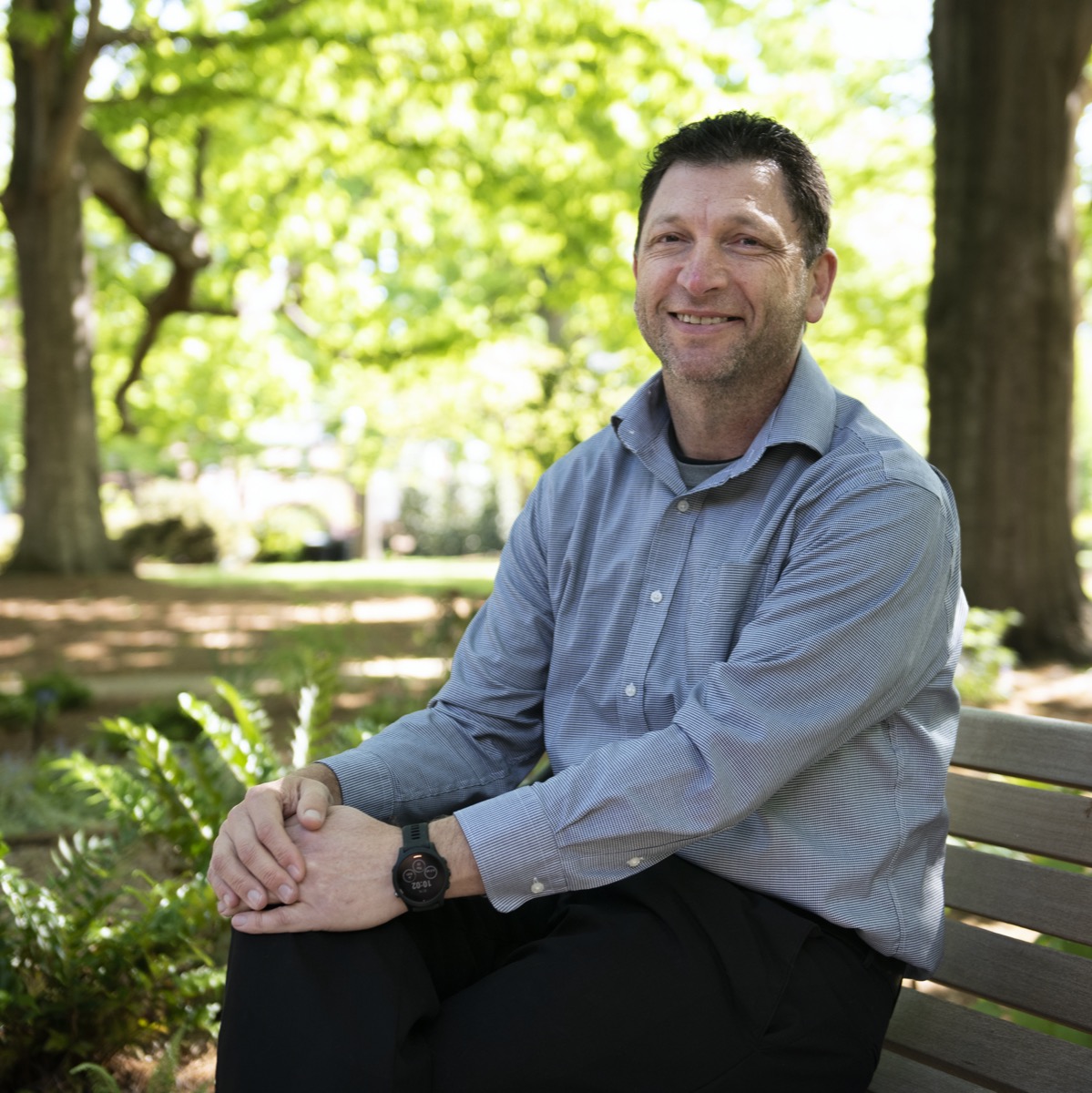
Elon University psychology professor Bilal Ghandour is turning his clinical experience toward one of the most pressing issues facing families today: the effects of social media on teens’ mental health.
Over the past several years, Ghandour, a clinical psychologist, has noticed anxiety in young people through his practice. It has led to his new line of research, in its early stages, involving social media and teens, with plans to conduct his first study by the end of next summer.
Ghandour has been sharing his insights with schools, advocacy groups and parent organizations across the country. Most recently, he presented to educators and parents in Pennsylvania about how families can guide their children toward healthier online habits. His message to parents is simple: take back control.
“They feel that somehow social media is completely different than anything else, and they don’t know how to direct it,” he said. “I remind them that it’s just like any type of behavior. You can put parameters that place you in charge. Once you give them these specific guidelines, it gives them some real relief.”
He points to national data showing rising rates of anxiety and depression among teens since 2015, a trend that coincides with the explosion of smartphone use.
“Everything kept constant, the only significant change that has occurred is the use of social media,” Ghandour said. “Teenagers report six, eight, even 10 hours spent on their smartphones. That impacts concentration, focus and relationships.”
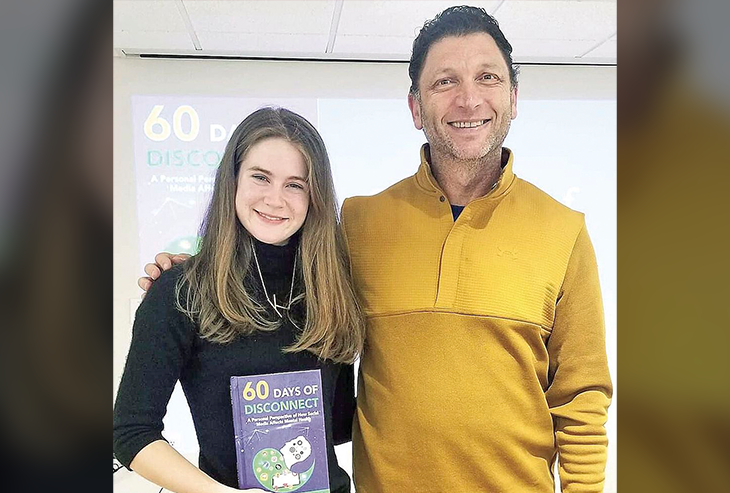
While Ghandour sees this topic firsthand, he received a request in 2022 from Keegan Lee, a Burlington High School student looking to examine her own social media use. Lee reached out to several Elon faculty in the hopes of publishing a book based on her journaling of the experience. The book, “60 Days of Disconnect,” alternates between Lee’s journal entries on abstaining from social media for two months and Ghandour’s psychological reflections.
“Every response that she has in her journal entry, I provide an equivalent psychological explanation of what she goes through,” Ghandour said. “It explains the principles she experiences backed by specific instances of events that I responded to based on my expertise.”
Now his future work is expected to move beyond just documenting the negative effects of screen time.
“My first focus is going to be on trying to tease out the effects, the positive effects from the negative effects,” he said. “What value do we gain from accessing this information? What is important and meaningful, and what is just a waste of time or addiction-related behavior?”
Ghandour’s goal, both in his talks and forthcoming research, is to help teens and adults develop awareness of their own media habits.
“It’s absolutely imperative that all of us, whether we are in the classroom, staff, or faculty, be mindful of the way we use our machines,” he said. “They can be incredibly useful, but because they’re so present and available, we fail to recognize how we use them. Try to document your own use so that you have healthy habits instead of something that gets away from you.”
In the spring, Ghandour will return to Pennsylvania as a keynote speaker for a statewide conference of non-public high schools, continuing his mission to blend psychological research with practical advice for families navigating the digital age.
“We can’t wish social media away,” he said. “But we can learn to use it, instead of letting it use us.”