


The survey-based experimental study found that students grapple with the tension between ideals of second chances and punitive beliefs about protecting safety and rewarding the "deserving."
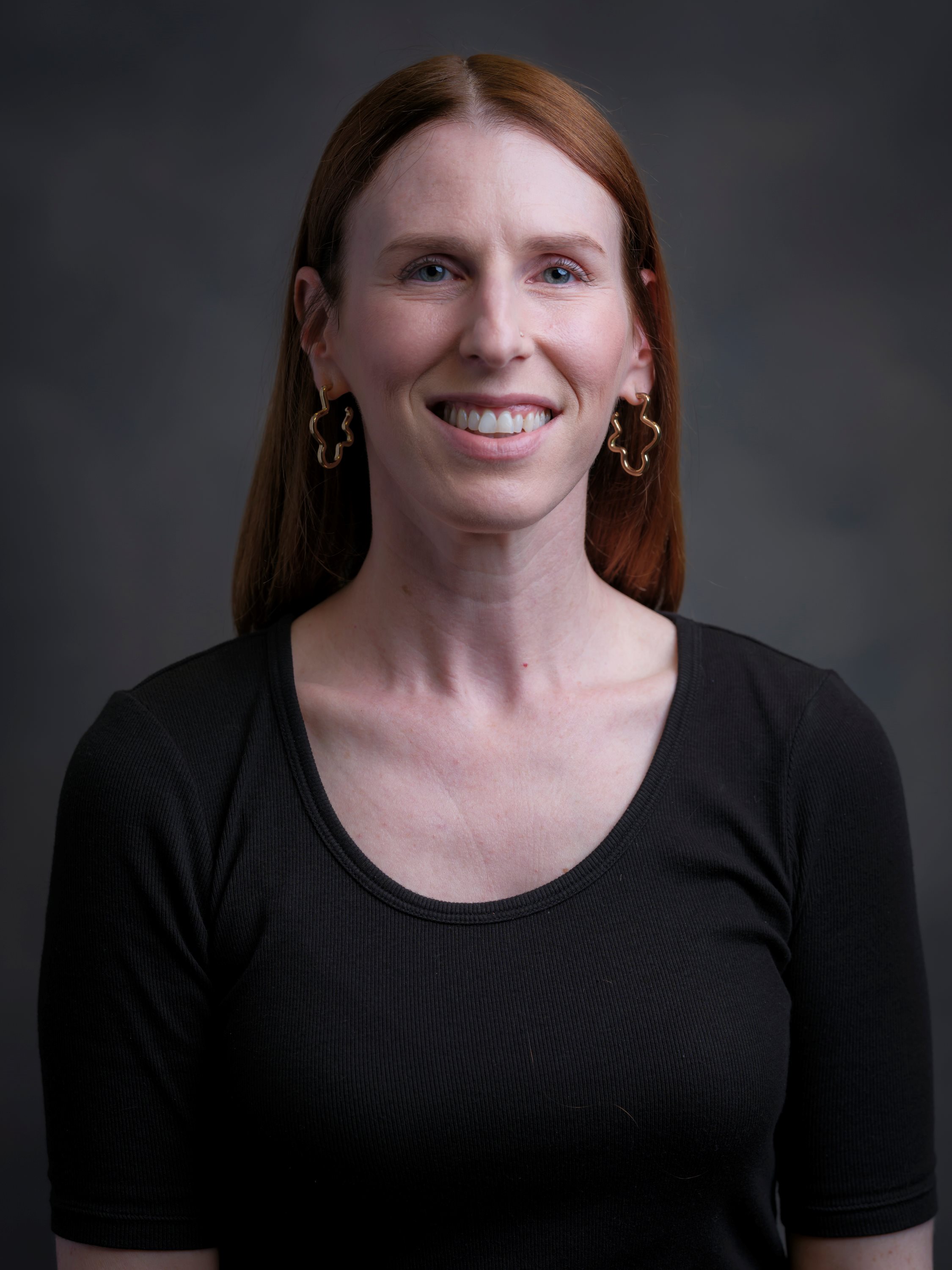
A recent study led by Associate Professor of Sociology Rena Zito, along with Stacy De Coster from North Carolina State University and Eden Ralph ’23, sheds light on how college students feel about admitting applicants with felony records and histories of incarceration. The article, titled “College Applicants with Felony Records: The Impact of Race and Offense Type on College Students’ Attitudes,” was published in “Sociological Focus.”
Using a survey-based experiment, the study examines how factors like race and the type of offense affect college students’ willingness to accept or reject applicants with criminal backgrounds. The research involved students from two universities (one public and one private) who were asked to respond to a vignette about a fictional college applicant with a felony record.
The findings reveal some important patterns:
- Students are more likely to support restrictive admissions policies for applicants with violent criminal records than for those with drug-related offenses, regardless of the applicant’s race.
- Political views, concerns about campus safety, and general skepticism about the justice system played a major role in shaping students’ opinions.
- Qualitative responses (open-ended answers) showed that students often wrestle with a tension between supporting second chances and prioritizing safety and fairness in admissions.
- Race shapes deliberations of admissions for applicants with drug records but not for those with violent records.
Overall, student support for the restrictive inclusion of students with violent and drug felony records mirrors broader public opinion on criminal justice policy reform, potentially hindering the full restoration of rights and opportunities, particularly among those deemed unworthy.
Eden Ralph ’23, who contributed to the research, went on to earn an M.S. in Criminology in2024 and is now working toward a Ph.D in Criminology, both at the University of Pennsylvania.