Professional Writing and Rhetoric
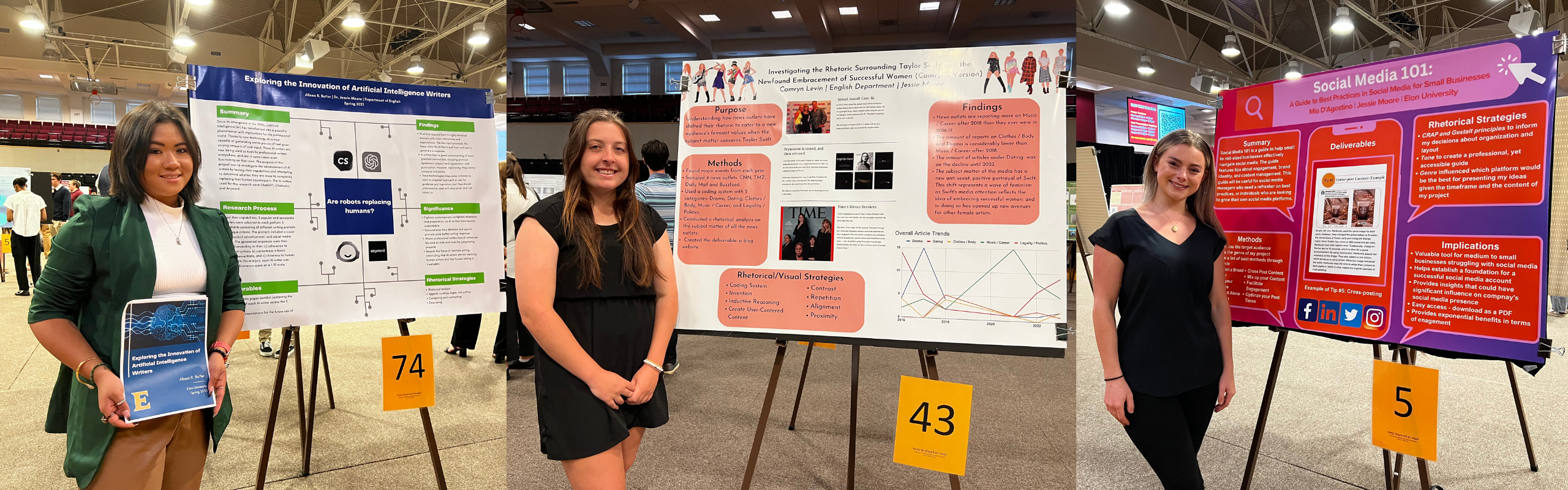
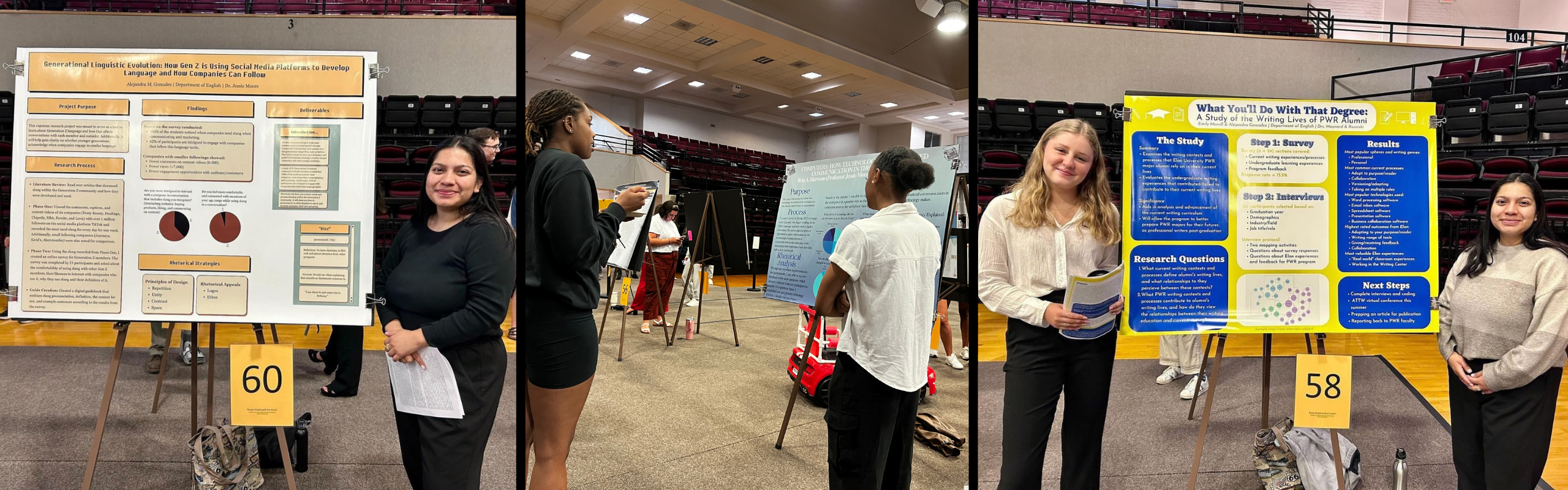
Attention students: PWR is now offering a micro-credential “AI and Professional Writing” badge! Appropriate for students in any major or minor, including PWR majors and Professional Writing minors.
Professional Writing and Rhetoric

2018 Sticker Design by Hayden McConnell
Every organization needs people who understand how information, audiences, technologies, and persuasion work. Elon’s Professional Writing and Rhetoric (PWR) program prepares students to do that work across industries, media, and public life.
PWR students learn to write, edit, design, research, and create for real audiences across print, digital, visual, and multimedia forms. They study how audience, purpose, culture, technology, and power shape communication, and they learn to use emerging technologies, including AI, while keeping human judgment at the center. The result is a flexible liberal arts foundation that prepares students for many kinds of work, not just one job title.
Our alumni show that range in practice. PWR graduates have become creative directors, editors, scientists, attorneys, publishing professionals, reporters, designers, nonprofit leaders, fundraisers, entrepreneurs, and freelance writers across fields including healthcare, environmental consulting, publishing, law, journalism, science, design, and education.
Learn by Doing
Jenny Kane presenting her Senior Seminar research project exploring the use of rhetoric in the healthcare industry.
PWR students do more than study professional communication. They practice it. Every major completes an internship and undergraduate research, giving students opportunities to apply what they are learning, explore possible careers, and build experience before graduation.
Students have interned with organizations including The New Yorker, the U.S. Department of Homeland Security, Duke University, Pace Communications, the Women’s Resource Center, Piedmont Wildlife Center, and the Center for Engaged Learning. Others have worked in marketing, public relations, publishing, nonprofit organizations, data analysis, and international settings.
These experiences help students leave Elon with more than a transcript. They graduate with professional experience, a stronger sense of where their skills can take them, and work they can talk about with employers and graduate programs.
A Natural Second Major
Professional writing matters anywhere specialized knowledge needs to be explained, organized, translated, designed, or put to work. That makes PWR a natural complement to majors in Communications, business, the sciences, social sciences, humanities, and other fields.
It is also designed to be practical as a second major. PWR requires eight courses along with internship and undergraduate research experiences. Students completing another major or minor automatically receive waivers for two outside elective requirements.
For students who already know the field they want to enter, PWR can add another layer of expertise. A student may bring knowledge of science, business, media, policy, or another discipline; PWR helps them learn how to communicate that knowledge effectively to the people who need it.
Writing in Professional and Public Life
PWR also treats communication as more than a workplace skill. Writing shapes organizations, communities, institutions, and public conversations. Students learn to consider whose voices are heard, how information moves, and what happens when communication choices affect real people.
That combination of practical experience, liberal arts breadth, and attention to the consequences of communication prepares students for more than the tools and jobs that exist right now. It gives them a foundation for adapting as industries, technologies, and careers continue to change.
*Elon also offers a new AI and Professional Writing Badge and an interdisciplinary Professional Writing Studies minor.
News about PWR Faculty and Students