


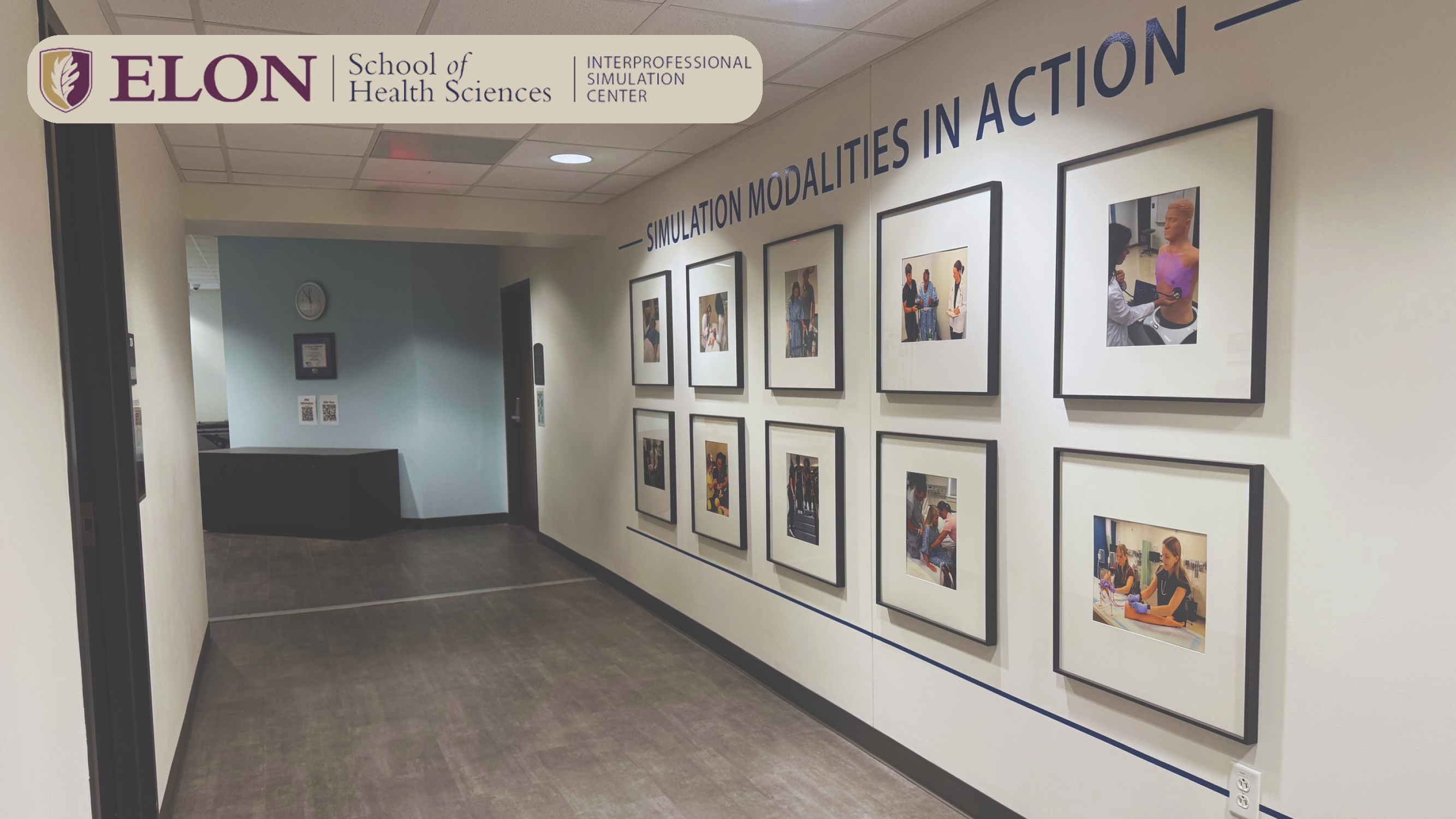
Elon University’s Interprofessional Simulation Center will celebrate Simulation in Healthcare Week from Sept. 15–19
Elon University’s Interprofessional Simulation Center will celebrate Simulation in Healthcare Week from Sept. 15–19.
This national celebration recognizes the power of simulation in preparing healthcare professionals for real-world practice in a safe, supportive environment.
Simulation is an integral part of the curriculum for the nursing, physical therapy and physician assistant studies programs, creating hands-on, interactive learning that builds confidence, competence and collaboration.
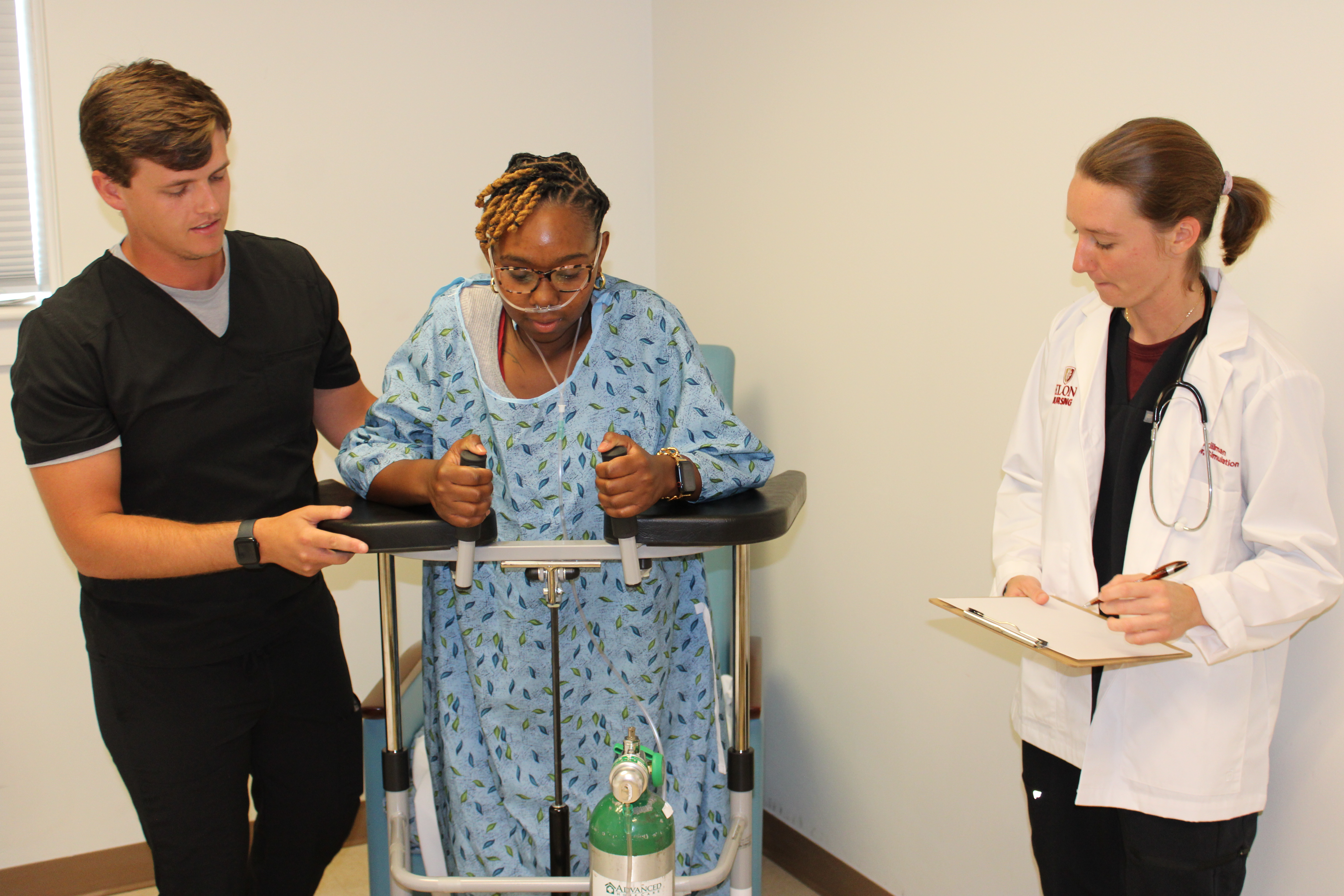
“Simulation has helped to create an organic experience of treating real life patients, with helpful feedback from professors regarding how to improve treatment,” said student Jared D. Smith. “This feedback and hands-on treatment can’t be replaced by treating a professor or a PT student, as these patients are outside the world of physical therapy and therefore have better insights into what it means to be treated by physical therapy. Simulated particpants have been instrumental in my formation of becoming a physical therapist and I am grateful for all events that have been organized by the simulation lab.
Simulation across health sciences
Nursing
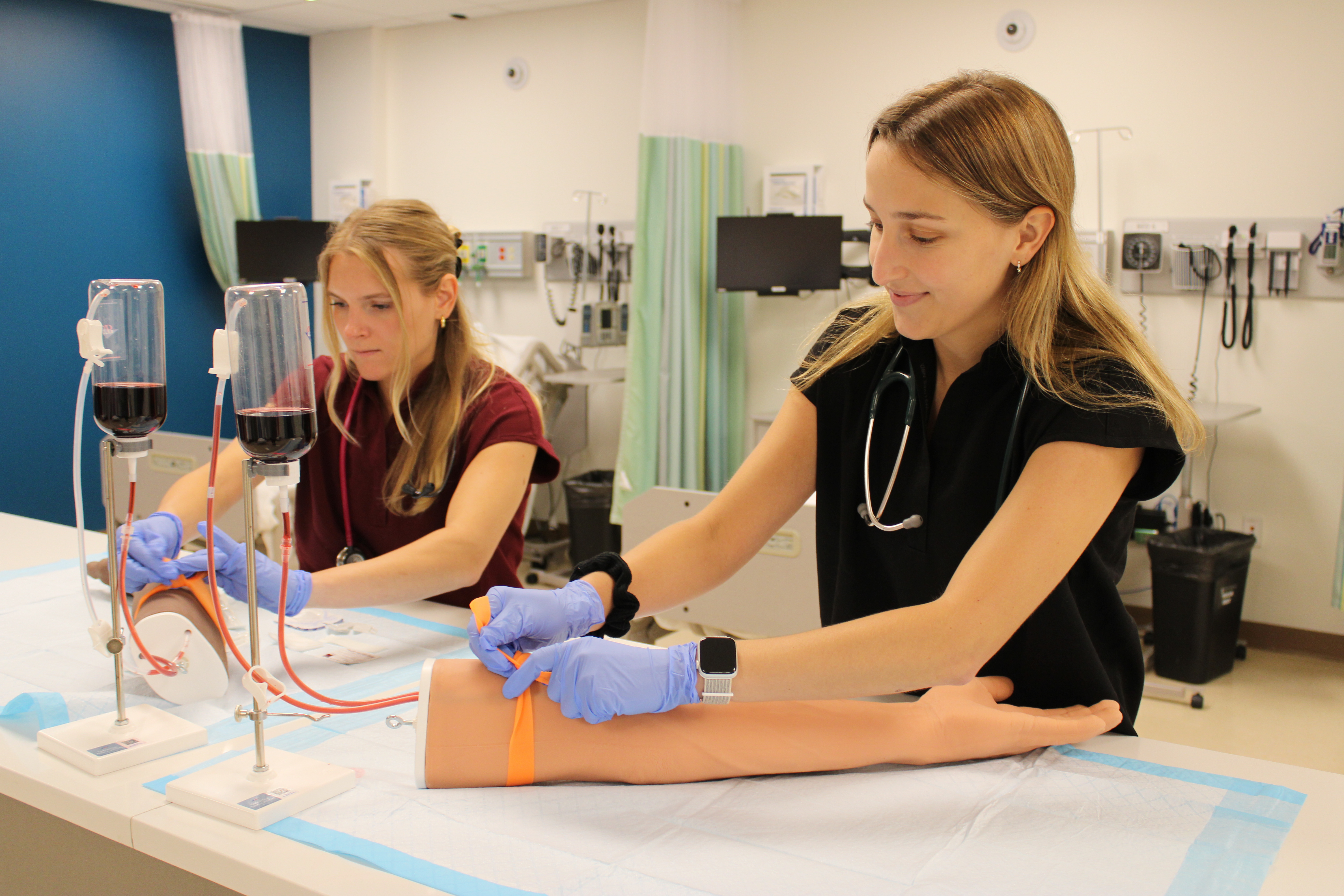
Nursing students practice everything from basic skills to advanced clinical decision-making through task trainers, high-fidelity simulators and simulated participants (SPs). These realistic experiences allow them to learn in a safe, controlled environment.
Physical Therapy (PT)
PT students engage in clients-to-class activities that bring real-world rehabilitation scenarios into the classroom. These experiences help students refine communication, therapeutic techniques, and patient-centered care strategies.
Physician Assistant (PA) Studies
PA students benefit from high-fidelity simulators, task trainers for procedures and SP encounters for history-taking and physical exams. These immersive experiences prepare them for high-pressure clinical situations and teamwork in healthcare settings.
The Power of Simulation
The Interprofessional Simulation Center uses a range of simulation modalities to enhance learning:
- Task Trainers for procedural practice
- High-Fidelity Simulators for complex patient scenarios
- Simulated Participants (SPs) for communication and reasoning
- Clients-to-Class for authentic patient perspectives
Student voices matter!
Perspectives from simulated participants
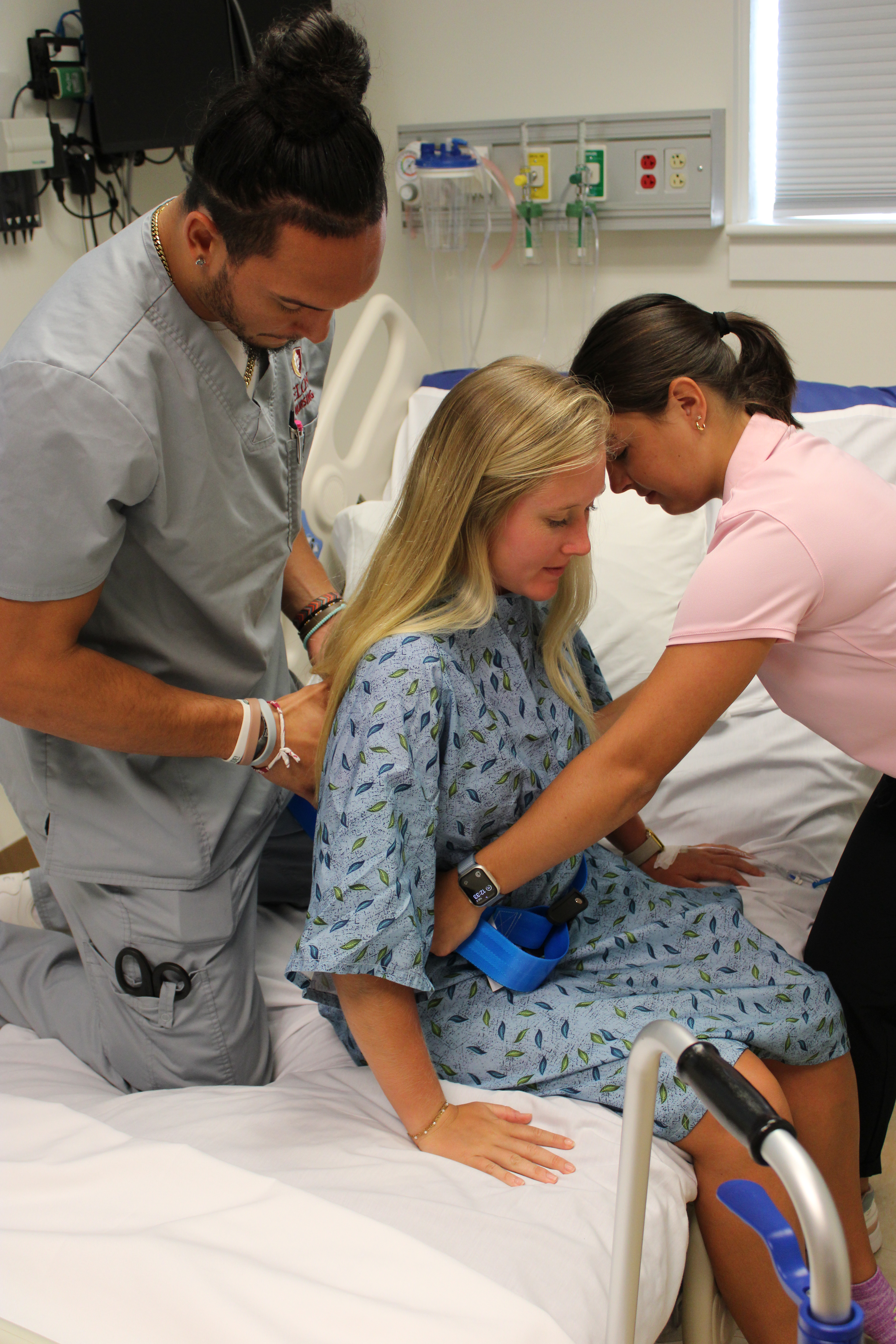
“What impresses me most about being a simulated participant at Elon is the caliber of the students. Without exception, these are young people who work to apply their smarts and talents to something that is truly commendable: helping others,” said one of the simulated participants. “In a world where the young and talented have so many career paths to choose from (many that don’t entail the indebtedness that healthcare training does), the commitment of these students should be celebrated.”
“Many times I’ve sat in rooms as a student will probe, investigate, actively listen, and counsel,” said Paul Newell, one of the simulated participants. “It’s clear they are seeking to become problem solvers, along with the patient, to find the best healthcare outcomes they can. As a person in his 70s, I can honestly say that if we’re turning the world over to young people like these, we’re going to be okay.”
“Working with students is so very rewarding. I’ve been a healthcare provider all my adult life. I trained medics in the military. I’ve also been involved in performance and theater for many years. So, working with students as a simulated patient gives me the chance to use my past experiences and hopefully contribute to their training and growth as future practitioners,” said John Collier, one of the simulated participants.