


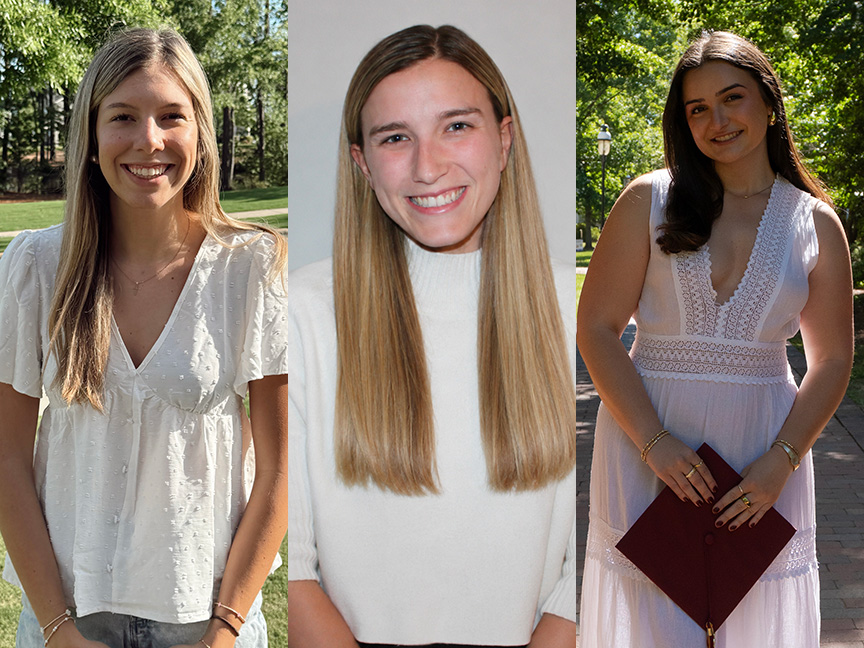
Meet the first full-time classroom teachers of the university’s new private elementary school for children with dyslexia set to open in August.
The Roberts Academy at Elon University has selected three educators to serve as inaugural full-time faculty in the university’s new private elementary school for children with dyslexia.
The Roberts Academy will use the multisensory Orton-Gillingham approach to reading instruction once it opens in August for third- and fourth-grade students in a temporary location on West Trollinger Avenue.
The academy will expand to grades 1-6 when a new building opens for the 2028-29 academic year on East Haggard Avenue near the university’s Danieley Neighborhood. Each classroom will be capped at 12 students.
“We are excited to have such well-trained, committed teachers join us at Roberts Academy,” said Ann Bullock, dean of the Dr. Jo Watts Williams School of Education. “Their dedication to children and their ability to provide an engaged environment for learning will lead to a remarkable growth in confidence for young students.”
The Roberts Academy is also finalizing the recruitment of part-time teachers to provide enrichment instruction in art, music and physical education. The school is led by Acting Director Alicia S. Tate and Tracy Roof, director of business and school operations.
Established in 2025 through a gift from philanthropists Hal and Marjorie Roberts of Lakeland, Florida, the Roberts Academy at Elon University will be the fourth in a series of successful university-based private elementary schools the couple established at Vanderbilt University, Mercer University and Florida Southern College.
2026-27 Full-Time Faculty for Roberts Academy at Elon University
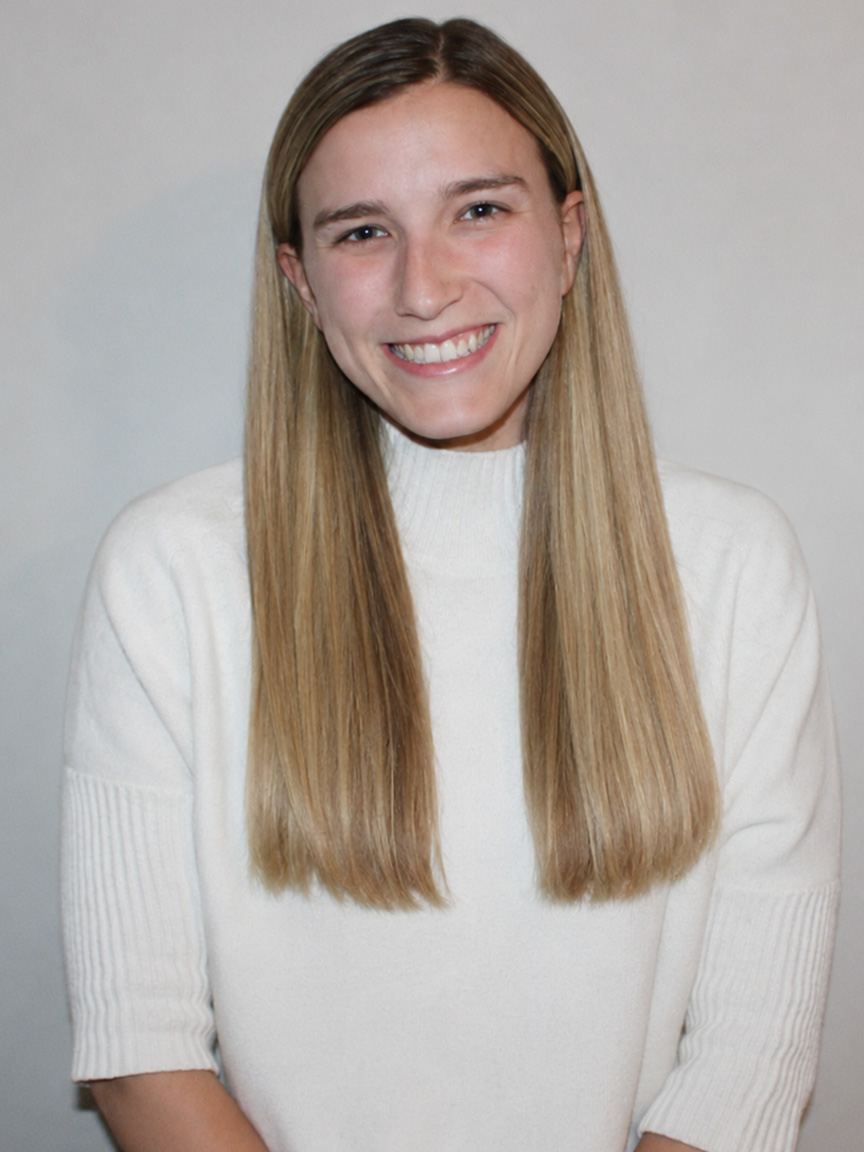
Carrie Whitley
With a bachelor’s degree in elementary education and a master’s degree in reading education from Appalachian State University, Carrie Whitley brings three years of experience working closely with elementary-aged students in both classroom and tutoring settings.
Throughout her career, Whitley has focused on providing individualized instruction, collecting and analyzing student data, and creating targeted interventions to support diverse learning needs. Her experience in special education at a private school in Raleigh strengthened her ability to collaborate with multidisciplinary teams, to develop meaningful student goals, and to communicate progress with families.
Whitley is Orton-Gillingham trained and has implemented the method with fidelity in both small-group and one-on-one settings. She said she has seen firsthand the impact that explicit, systematic literacy instruction can have on students with dyslexia in developing reading skills, building confidence and instilling a love of learning.
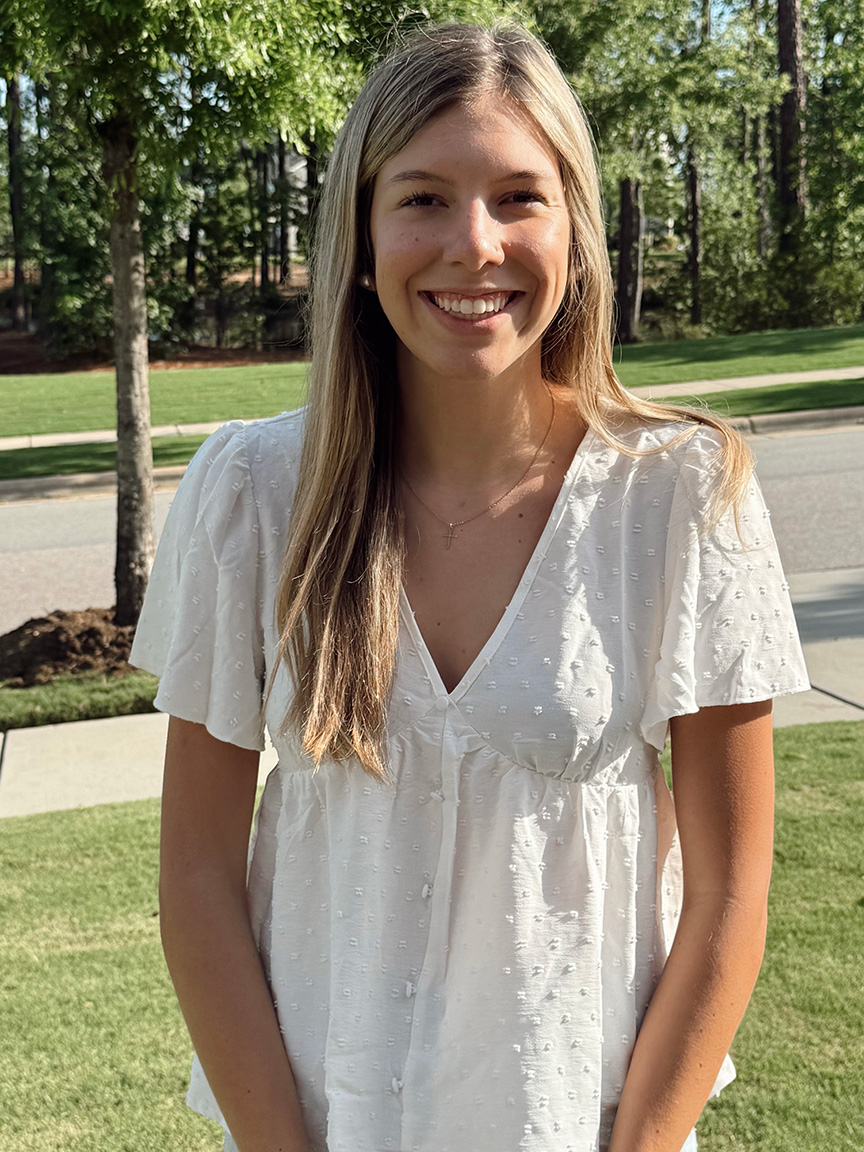
Kaitlyn Leazer ’25
After serving for a year with the Alamance-Burlington School System as teacher of exceptional children, Kaitlyn Leazer brings experience in designing and implementing differentiated instruction, prioritizing strong relationships with families as essential collaborators in each child’s success.
Leazer holds a Bachelor of Arts in elementary and special education and is currently pursuing a Master of Education in innovation from the Dr. Jo Watts Williams School of Education. Leazer said she was drawn to the Roberts Academy for its values and evidence-based practices to meet the individual needs of every learner.
In her year with ABSS, Leazer sought to create classrooms where students felt supported through thoughtful differentiation, intentional data collection and Universal Design for Learning. She developed a system for students to track and chart their own IEP goals, fostering both independence and accountability.
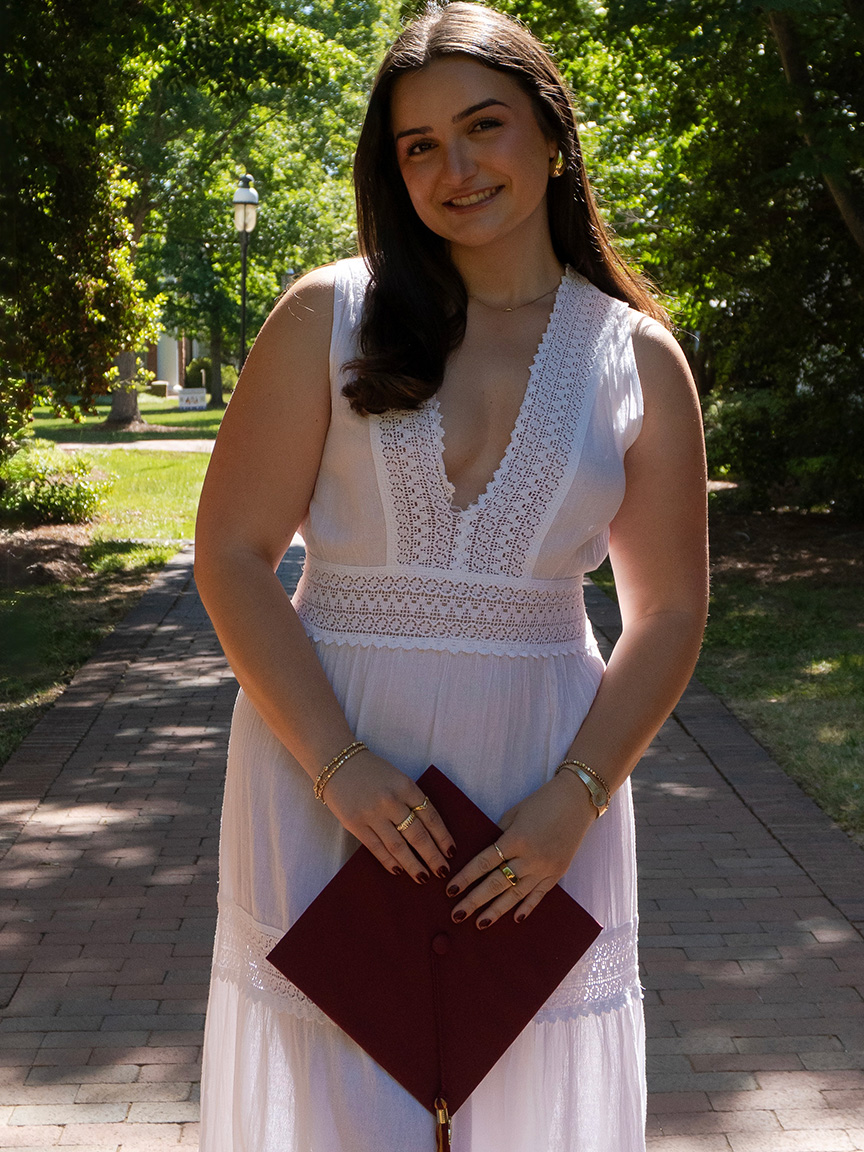
Isabella “Bella” Martino ’26
Isabella “Bella” Martino is a recent Elon University graduate with dual licensure in K-6 general education and special education, allowing her to serve students across all domains of learning.
During her work as a student teacher, Martino created structured, predictable learning environments for students with unique behavioral and academic needs. She integrated technology into students’ daily routines, leading to increased engagement and improved behavioral outcomes. Martino works in partnership with families and other service providers to holistically meet the needs of students.
Passionate about providing students equal access to the general education curriculum, Martino points to her efforts to align lesson content with grade-level standards whenever possible. She describes herself as driven by a belief that holding students who learn differently to the same social and emotional expectations as their peers is essential to fostering independence and autonomy.