


The new program, at Elon’s main campus and Charlotte national campus, will work to prepare competent, compassionate and ethical counselors committed to promoting mental wellness and addressing an urgent need for counselors.
Beginning in Fall 2026, Elon University will launch a Master of Science in Clinical Mental Health Counseling (CMHC) at both the university’s main campus and Charlotte national campus to address the growing need for licensed mental health counselors in the region and across the country.
“Our state is hurting when it comes to mental health professionals, and that’s even with the existing programs that are out there,” said Judy Folmar, interim program director and chair of CMHC, who joined Elon in 2003 as a counselor educator. Folmar has been leading the development of the program, along with Raychelle Lohmann and Suzan Wasik, accreditation coordinators and associate professors of clinical mental health counseling.
In North Carolina and across the Southeast, demand for licensed clinical mental health counselors continues to outpace supply, driven by increased public awareness of mental health needs, expanded insurance coverage for behavioral health services and the impacts of the COVID-19 pandemic.
“Elon doesn’t do anything halfway. Once there’s a decision to start a program, the resources are put behind it, and we do engaged learning better than anyone else. It is a dream come true – just thinking about how well Elon can do this,” Folmar said.
The 60-credit program will be a hybrid model, where students complete their first year of coursework in person and then transition to synchronous online coursework and in-person clinical placements in the second year. Courses include “Professional Identity, Legal and Ethical Issues,” “Counseling Theories and Techniques,” Human Development Across the Lifespan,” Diagnosis and Treatment Planning,” and more. All courses in the program will have both synchronous and asynchronous elements, and the university’s Interprofessional Simulation Lab will also be utilized. The hybrid model is a way to not only meet the needs of today’s learners but also the needs of the healthcare field.
“Tele-health has increased rapidly coming out of the COVID-19 pandemic, but I think people have become more comfortable, in a lot of ways, with that method of delivery,” Folmar said. “It’s increased access, particularly in rural areas.”
The second year of the program includes a 100-hour practicum and a 600-hour internship requirement. And for students to have the option to choose between Elon’s main campus and the Charlotte national campus is a benefit not only for the students, but the communities they will eventually serve.
“It’s the best of both worlds because Elon is in a rural area that has access to the Triangle and the Triad, and Charlotte is in the center of everything,” she said. “When students are looking at our program, they’re going to have their choice of campuses to apply to and really good rationales for either one.”
To better prepare students for the National Counselor Exam (NCE), students in the program must successfully pass the Counselor Preparation Comprehensive Examination (CPCE). Because both the CPCE and the NCE are delivered in an online testing format, success on the CPCE not only indicates readiness for the NCE but also helps students build confidence and familiarity with online examination processes. While designed to meet North Carolina’s licensure requirements, the curriculum is designed to prepare graduates to pursue licensure in other states.
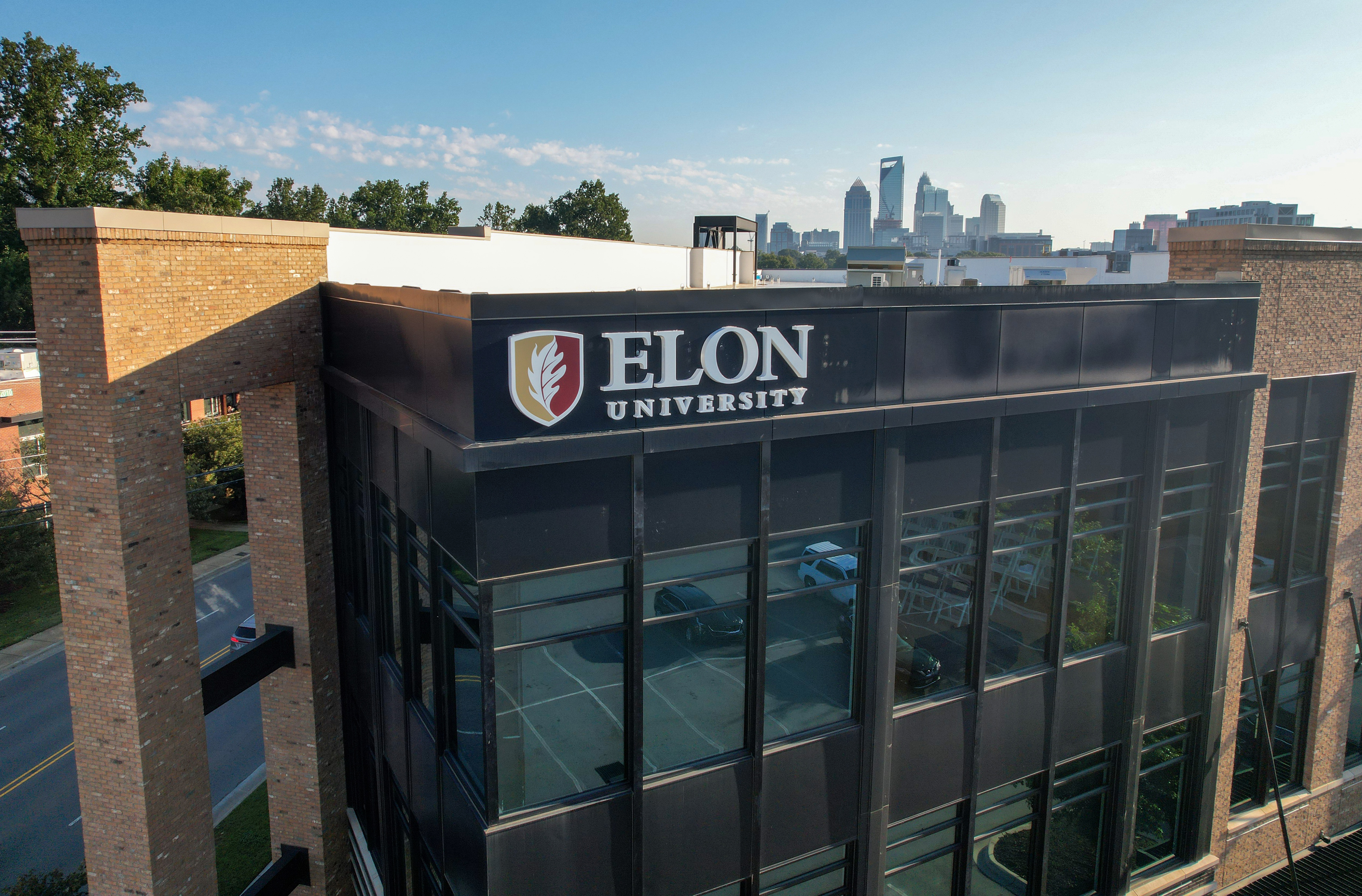
The CMHC program is one of two new School of Health Sciences programs at the Charlotte campus in the city’s south end. A Physician Assistant Studies program is expected to launch on the campus in Fall 2027.
Applications for the CMHC Fall 2026 cohort are now open with a deadline of April 15, 2026.
-
Judy Folmar
Interim Program Director & Chair of the Clinical Mental Health Counseling Program & Associate Professor of Human Service Studies
-
Raychelle Lohmann
Accreditation Coordinator and Associate Professor of Clinical Mental Health Counseling
-
Suzan Wasik
Accreditation Coordinator and Associate Professor of Clinical Mental Health Counseling