


The assistant dean in the School of Communications explores how migration through Mexico has become a flashpoint for public diplomacy and political tension.
Vanessa Bravo, professor of strategic communications and assistant dean in the School of Communications, has published a chapter in the new edited volume “Disruption and Dissent in Public Diplomacy.”
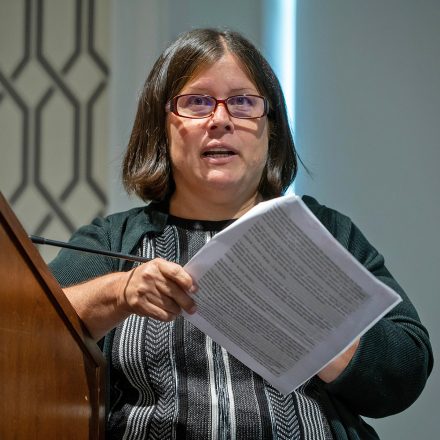
Bravo’s chapter, “When migrants oppose other migrant-sending countries’ policies: Fighting countries who are supposed to be your friends,” explores how migrants traveling through traditionally migrant-sending nations can become sources of political tension and public dissent. The research focuses on in-transit migrants – particularly those from Central and South America – who encounter restrictive policies as they travel through countries such as Mexico en route to the United States.
Building on this analysis, the chapter examines how these migrants sometimes push back against policies imposed by countries that have historically positioned themselves as defenders of migrant rights. In recent years, for example, Mexico has collaborated with the United States to try to lower the number of Central American and South American migrants who arrive at the US–Mexico border seeking political asylum. This shift has created diplomatic and reputational challenges for a nation long associated with advocating for migrants’ human rights.
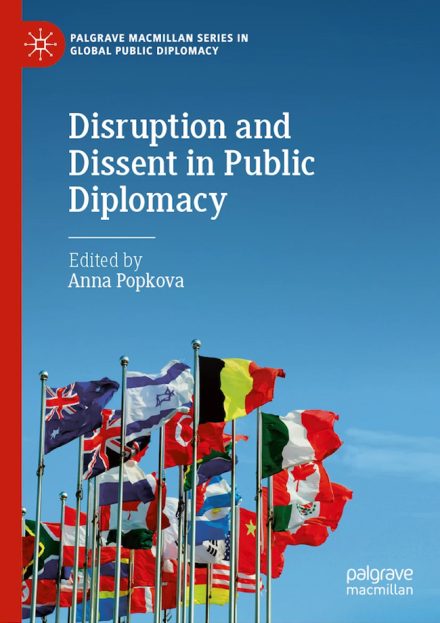
Bravo’s work highlights how non-state actors – including migrants, activists and diaspora communities – can challenge official state narratives through protest, advocacy and digital activism. These efforts, the professor explains, can reshape how nations are perceived globally and complicate traditional approaches to public diplomacy.
Published by Palgrave Macmillan, the book was edited by Anna Popkova, associate professor at Western Michigan University. “Disruption and Dissent in Public Diplomacy” includes 12 chapters examining how dissent, activism and communication shape international reputation and foreign policy.
In addition to this work, Bravo served this fall as a contributing author to the Worlds of Journalism Study 3 (WJS3): 2021–2025, a landmark global project analyzing the state of journalism across 75 countries. She co-authored two chapters in the publication – one exploring journalists’ employment conditions worldwide and another offering an in-depth country report on Costa Rica.