


The assistant professor of journalism spoke to the Mirror US about the Supreme Court's recent decision upholding birthright citizenship, and what Justice Brett Kavanaugh's concurring opinion could mean for the future.
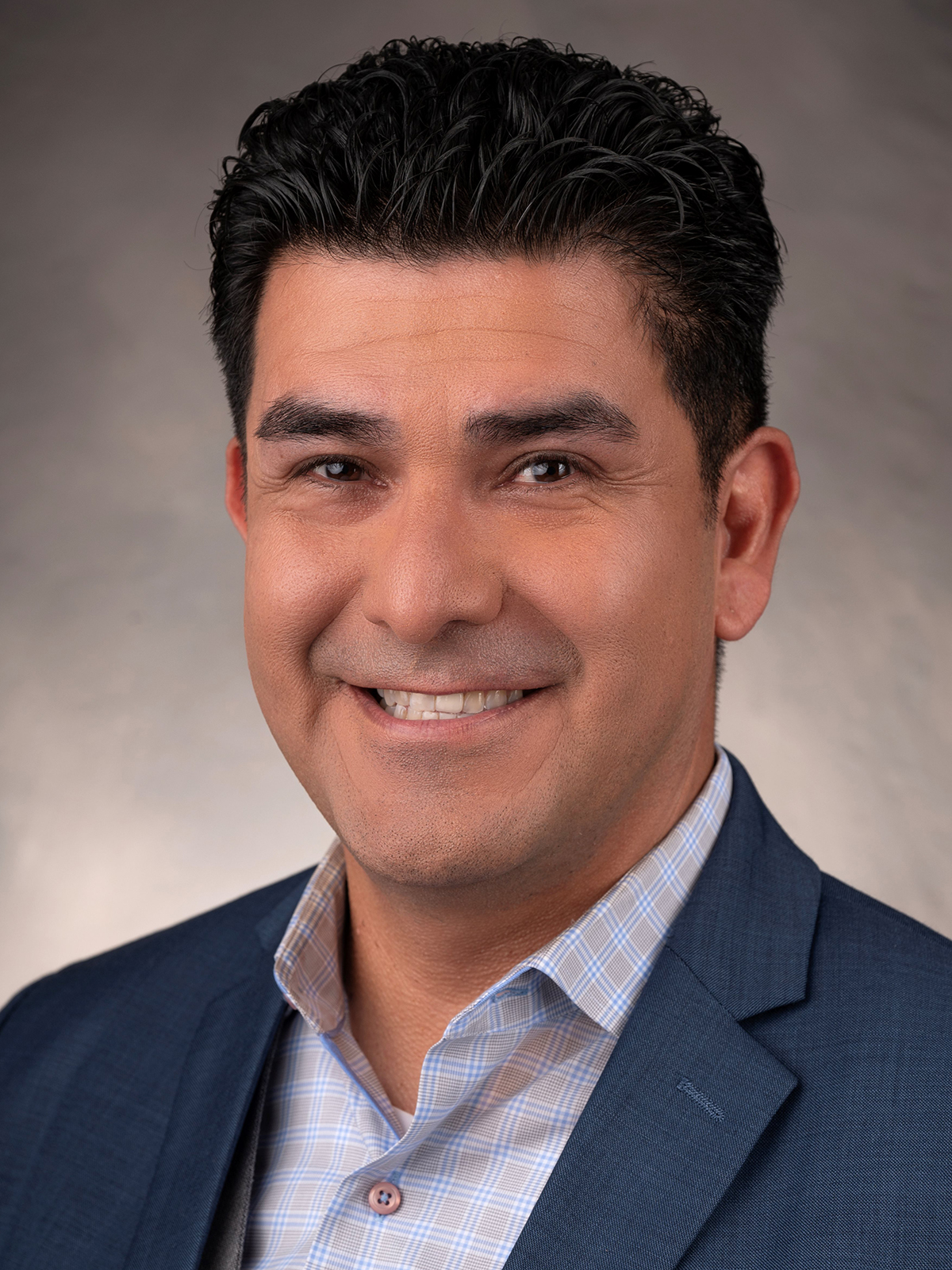
Elon University Assistant Professor of Journalism Israel Balderas was featured in The Mirror US following the U.S. Supreme Court’s decision upholding birthright citizenship under the 14th Amendment.
The article examined the implications of the ruling, particularly Justice Brett Kavanaugh’s concurring opinion, which suggested Congress could pursue legislation related to birthright citizenship even after the Court rejected President Donald Trump’s executive order.
Balderas, a First Amendment attorney, explained that Kavanaugh’s opinion leaves open a potential legislative path for the issue to return to the courts.
“Birthright citizenship won today. But Kavanaugh just told Congress where the side door is, and Trump is already walking toward it. Whether that door is real or painted on the wall is the question the Court left for another day,” Balderas said.
Balderas cautioned, however, that such legislation would face significant constitutional hurdles.
“Here’s the tension inside the Supreme Court that most people will miss. The five-justice majority held that the Constitution itself guarantees birthright citizenship. If that’s right, then Congress can’t touch it with an ordinary law. You would need a constitutional amendment,” Balderas explained.
“But Kavanaugh disagrees. He thinks the door is still open for legislation. So the next battle isn’t just Democrats versus Republicans in Congress. It’s whether Kavanaugh’s view or the majority’s view controls when that legislation inevitably gets challenged,” he added.