


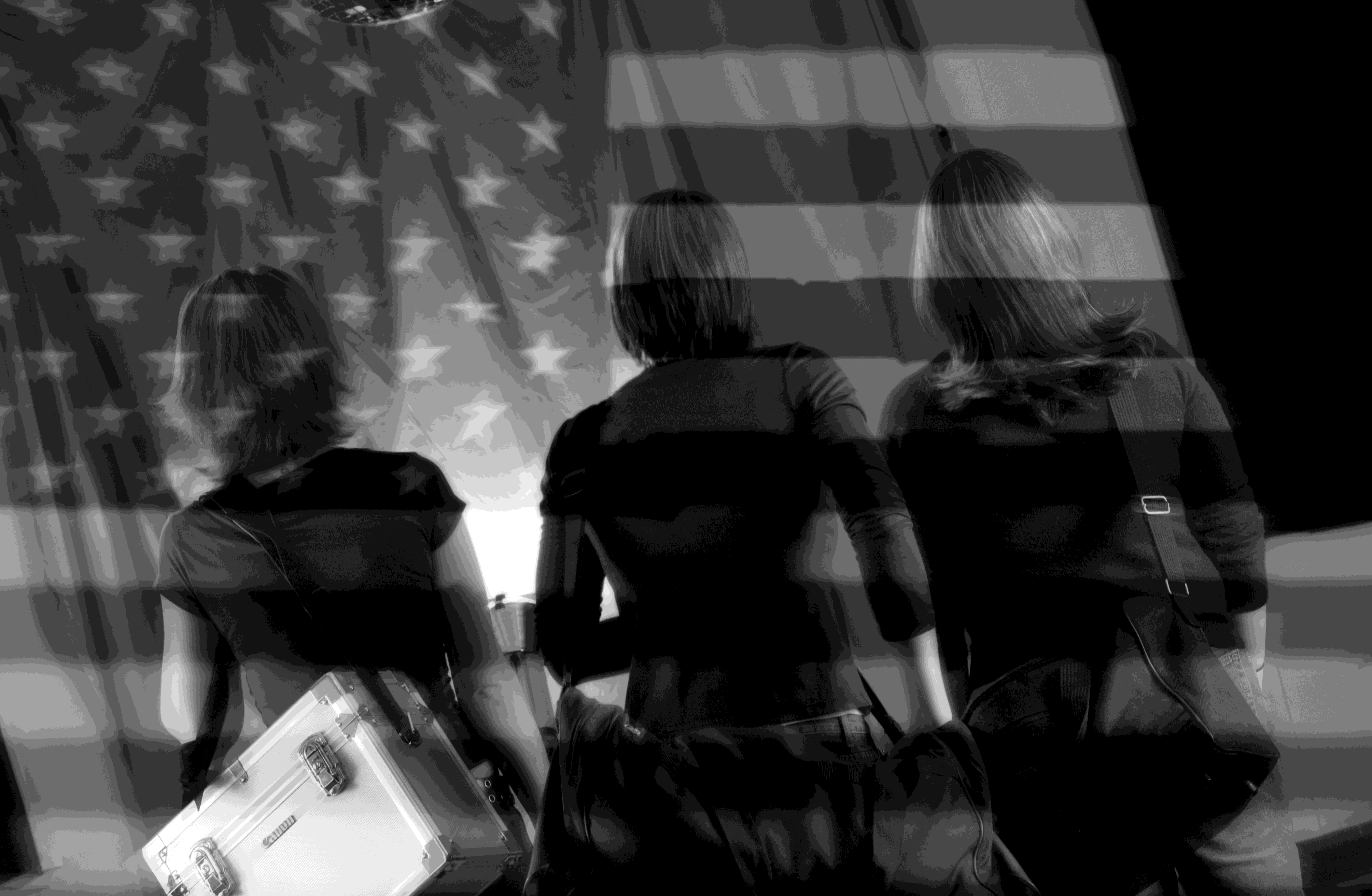
In 2002, three Elon students set out across the country to document the effects of 9/11. What began as a research project became a pivotal moment of growth and exploration.
Twenty-five years ago, three Elon University students hopped into a borrowed van with $2,900 and set out across the country on a mission: to talk with people about the impact of the Sept. 11 terrorist attacks.
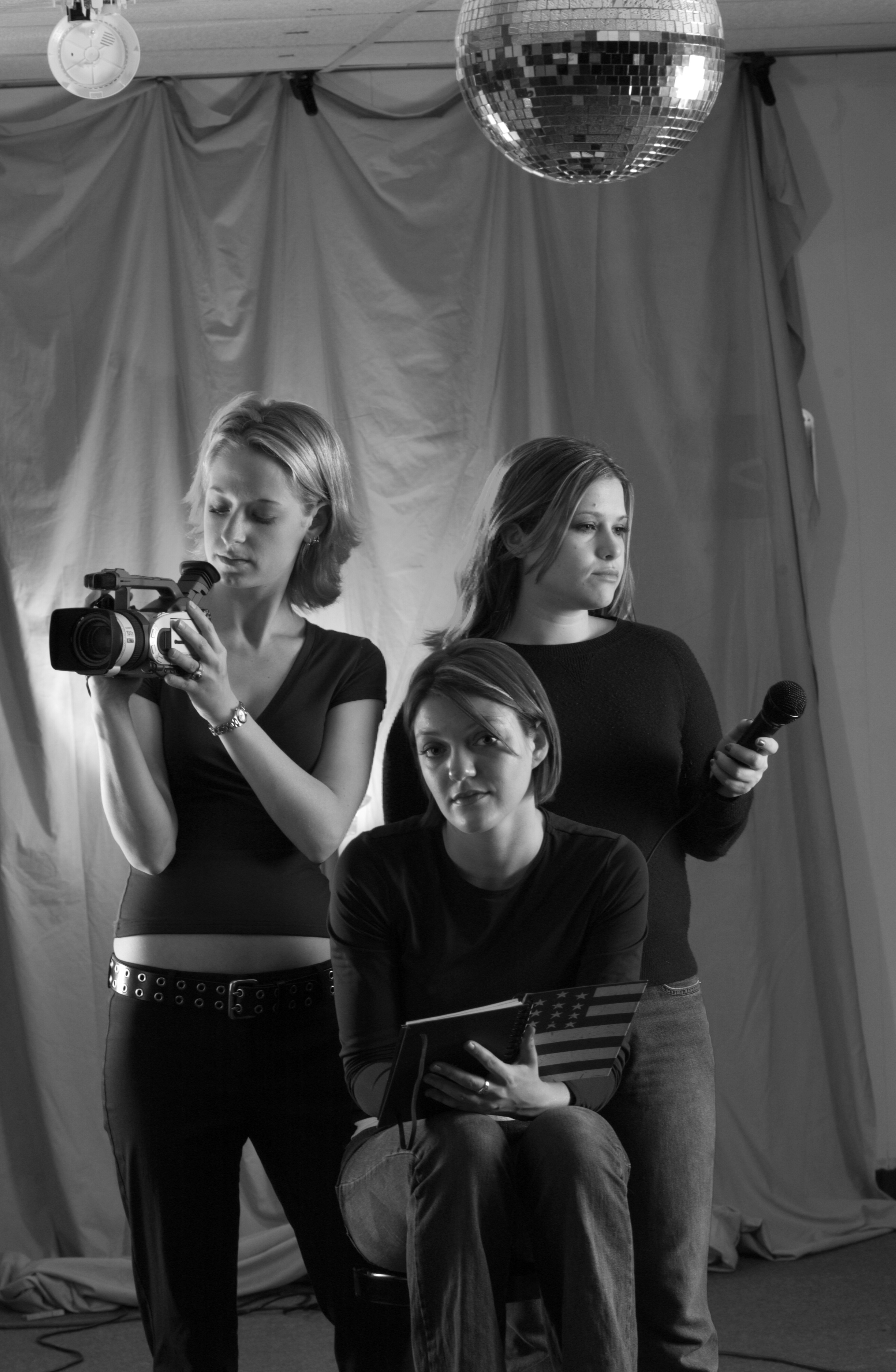
The journey resulted in three intertwined research projects collectively called “Mission America.” Abby Zampier ’02, a psychology major, examined the effects of the attacks on volunteers; Cheryl Olsen ’02, a business administration major, analyzed their impact on charitable organizations; and Mary Zappulla ’02, a broadcast communication major, documented the journey in a film titled “The Long Way Home.”
“We really grew up,” said Zappulla, now a showrunner, director and producer. “We were independent. We were out driving across the country with no parents and with no maps and trying to figure it out. As a producer, it taught us a lot about how to make things happen.”

The three friends were living together when the attacks happened on Sept. 11, 2001, and remember spending the entire day watching news coverage. Each also had a personal connection to the events. Zampier’s brother worked at the World Trade Center but was out of town on a business trip that day. Olsen’s father worked at the Pentagon, and Zapulla’s mother worked in government.
“At first everyone was talking about the attacks, and then it stopped,” Zampier told the Magazine of Elon in 2002. “We were still affected by Sept. 11, and we wanted to see how it was affecting everyone else in the country.”
The three completed the project during Winter Term 2002. A faculty member who owned a car dealership loaned them a van, and they began their journey at the World Trade Center, just months after the attacks.
From there, they traveled across the country, stopping to interview people about how Sept. 11 had affected them and their communities. One of those stops was the site of the 1995 Oklahoma City bombing. Zappulla told the Magazine of Elon in 2002 that interviewing people there left her emotional, and the three women say those conversations remain on their minds 25 years later.
“The people there felt for everybody because they had experienced something like that before,” said Zampier, who now works in real estate.
The students accumulated more than 18 hours of footage for the documentary, conducting interviews in the winter cold as they made their way across the country to California. They took only one day off because of rain.
Looking back, Olsen is struck by both the circumstances surrounding their journey and the willingness of strangers to speak openly with three college students.
“We were at war at the time, and we were attacked. It’s crazy that we felt comfortable going out into the United States by ourselves and to talk to random people about this moment,” said Olsen, who now lives in San Francisco. “It’s so defining back then how the nation really came together and, now if that were to happen, it might be a little different going up to people and asking them how they feel about issues that are serious.”
That spring, the three presented their work at Elon’s undergraduate research forum, then called the Student Undergraduate Research Forum.
For Zappulla, the project offered a way to process an event that had unfolded hundreds of miles from Elon while better understanding how people across the country were experiencing its aftermath.
“In North Carolina, you’re so far removed, and it made us feel part of what happened, not that it’s a good thing, but it was doing something to express how we were feeling,” Zappulla said.