


Professor David S. Levine discusses trade secret protections, nondisclosure agreements and proposed federal legislation to improve public access to information around data centers.
As Congress considers legislation to increase transparency in data center development, Elon University School of Law Professor David S. Levine recently discussed how trade secret protections and nondisclosure agreements can prevent the public from learning how taxpayer resources are used and how projects affect local communities.
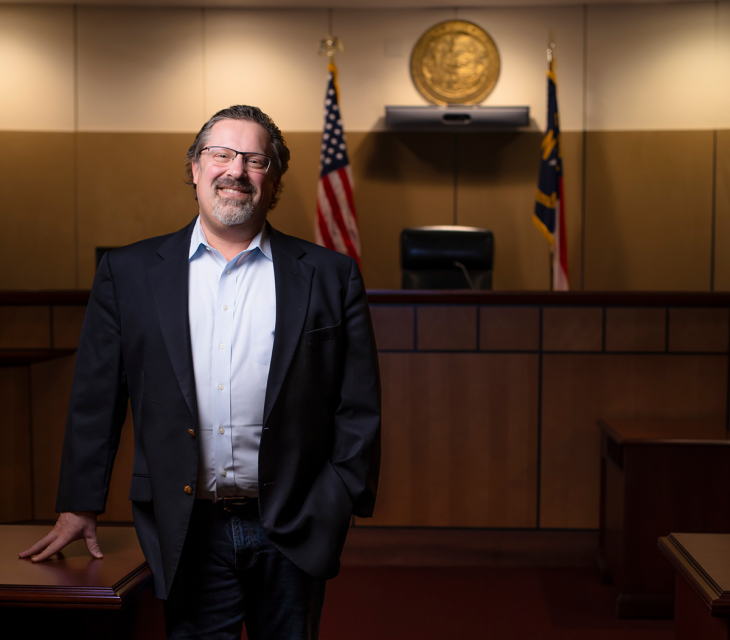 An Oct. 14 article published by MLex, “Trade secrets could constrain US legislative push to open data center deals,” examines the bipartisan No Secrets for Data Centers Act BILL, which would restrict non-disclosure agreements between data center developers and public officials. MLex, a LexisNexis news service, covers legal and regulatory developments for attorneys, businesses and government agencies.
“The public expects transparency and accountability when it comes to allocation of taxpayer funds … NDAs piled on top of robust trade secret protection leaves the public largely blind. Given this compounded secrecy, the likelihood of corruption increases,” Levine told MLex.
Levine, who studies trade secrecy and information law, also discusses how existing trade secret protections could continue to limit public access to information even if non-disclosure agreements were prohibited, preventing access to information about environmental, health, and safety risks and where public money is going. an area of focus, Levine was consulted by then-vice president Joe Biden’s staff regarding NDAs and trade secrecy during the second Obama administration.
Read the full article at MLex. A subscription is required.