Elon University Home

A Flexible, Hands-on, Liberal Arts Education

Professional Writing and Rhetoric (PWR) is built around a common set of four concentration courses, but individualized through a set (or "track") of three electives carefully selected by students in consultation with their PWR advisor. Additional flexibility is achieved through the pursuit of internships and an individually designed "cognate" (an area of specialization, possibly a minor) outside of the major. 
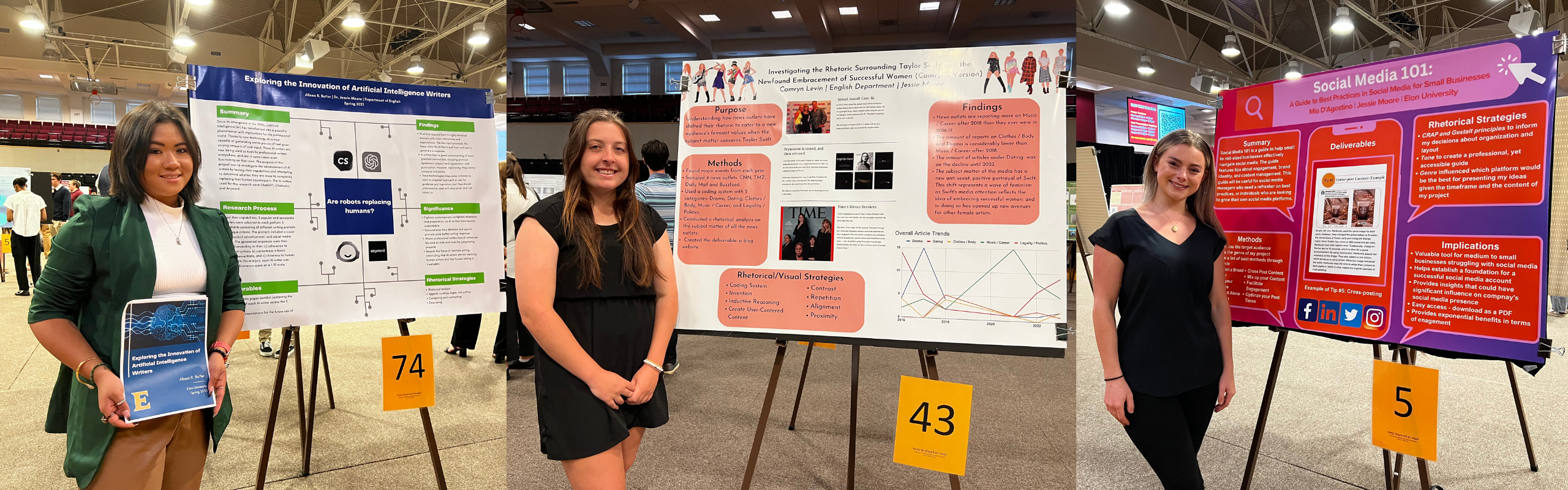
The aim is to give students the flexibility to construct an educational experience that matches their interests while also ensuring a firm disciplinary foundation.

Just as PWR students are active in developing their studies, they are regularly engaged in hands-on work that challenges them to actively learn, implement, and reflect on course content, both inside the classroom and out. Many programmatic features support this hands-on, active-learning approach.

  • PWR courses are taught within C.U.P.I.D. (the Center for Undergraduate Publishing and Information Design), a computer classroom designed to place at one's fingertips the tools of the trade, while also supporting hands-on, active, collaborative learning.
  • PWR courses include active, creative, problem-solving assignments and projects ranging from simulated case studies to real-world client projects.
  • In addition to traditional "classroom courses," students are highly encouraged to include multiple internships as part of their coursework (one is required, many students have two or more).

The Curriculum

PWR students take, in addition to 20 sh in the English major core, the following:

  • English 215 - Introduction to Professional Writing and Rhetoric (offered fall)
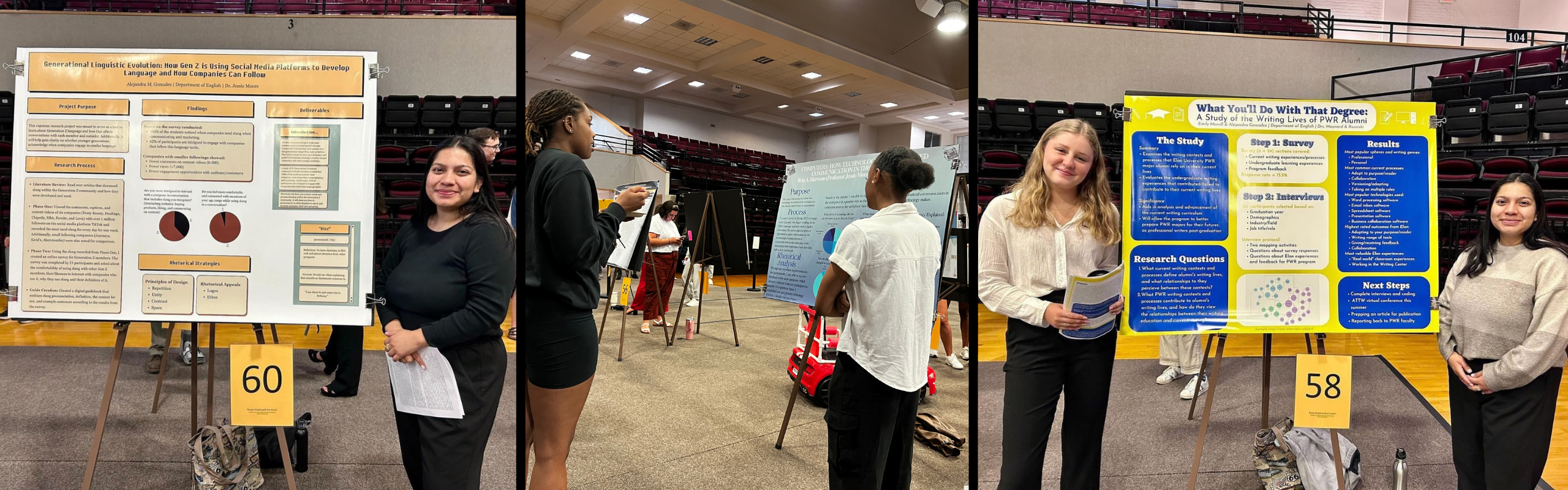
  • English 282 - CUPID Studio (2 sh; offered fall and spring)
  • English 304 - Understanding Rhetoric (offered spring; counts towards English major core)
  • English 313 - Special Topics in PWR (offered fall)
  • English 381 - Professional Writing & Rhetoric Internship (2 sh; any term)
  • English 397 - Writing as Inquiry (offered fall)
  • English 497 - Researching Writing: PWR Senior Seminar (offered spring)
  • plus two PWR electives
    • A 200-level PWR course (ENG 206, 211, 212, 217, 219)
    • A 300/400-level PWR course (ENG 310, 311, 312, 318, 319, 415)


Advising

To help you with course planning, the PWR faculty have created two advising documents for you:

  • Sample Four Year Plan: This document offers suggestions on when to take core and elective courses and demonstrates how you might integrate internships, study abroad, and undergraduate research.
  • Your Personalized Plan: This document is an editable document to help you connect your course planning to your personal short-term and long-term goals.

You should bring these documents to every advising appointment.

Developing Your Own Identity

You are encouraged to develop your individual identity as a writer and rhetor through three means:

Required electives Through careful selection of PWR electives, you are able to develop a specialized "track" within PWR leading to a focus in, for instance, "editing and publishing" or "writing and digital design" or "teaching English as a second language."

Internships are a powerful way to develop your identity. PWR students have interned for law offices, newspapers, magazines, advertising agencies, book publishers, marketing departments, museums, art galleries, development offices, public relations offices, and web development departments, to name a few.

Cognates  A cognate is a specialized area of study that complements one's primary area of study. Though not required, students are highly encouraged to develop their unique identity through the pursuit of a cognate. This might be done through careful selection of courses in departments outside of English or through the selection of a minor. Sample cognates have included multimedia authoring, digital art, marketing, pre-law, communications, foreign language, psychology, photography, theater, biology, environmental studies, and human services.

Just as strongly as PWR faculty believe in the importance of a firm foundation in rhetoric and professional writing, we believe in the significance of developing one's unique identity as a writer/rhetor.

This emphasis reflects PWR's basis in the liberal arts. Because PWR is not a pre-professional program, it is not designed to "train" you in prescriptive ways. Instead, you are encouraged to build from a strong foundation in rhetoric and professional writing a unique identity that reflects your individual passions, strengths, and aspirations.

A quick look at PWR student internships and PWR alumni information illustrates this emphasis on flexibility and the development of individual identities. It also reflects the broad applicability of a practical liberal art like rhetoric and writing.