


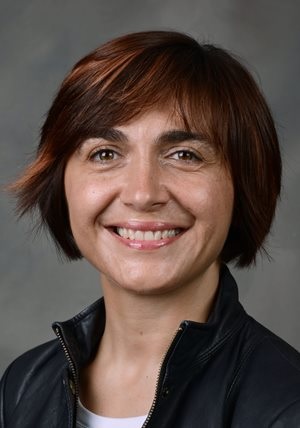
Associate Teaching Professor Ketevan Kupatadze delivered a keynote address at the Latin SoTL Conference in Costa Rica, emphasizing that global conversations about teaching and learning are incomplete without robust Latin American participation.
Associate Teaching Professor Ketevan Kupatadze recently returned from the third Latin Scholarship of Teaching and Learning Conference in San José, Costa Rica, where she delivered a keynote address and facilitated a workshop for over 350 in-person attendees and 200 online participants.
The 3rd Latin SoTL conference brought together educators from across Latin America focused on the Scholarship of Teaching and Learning.
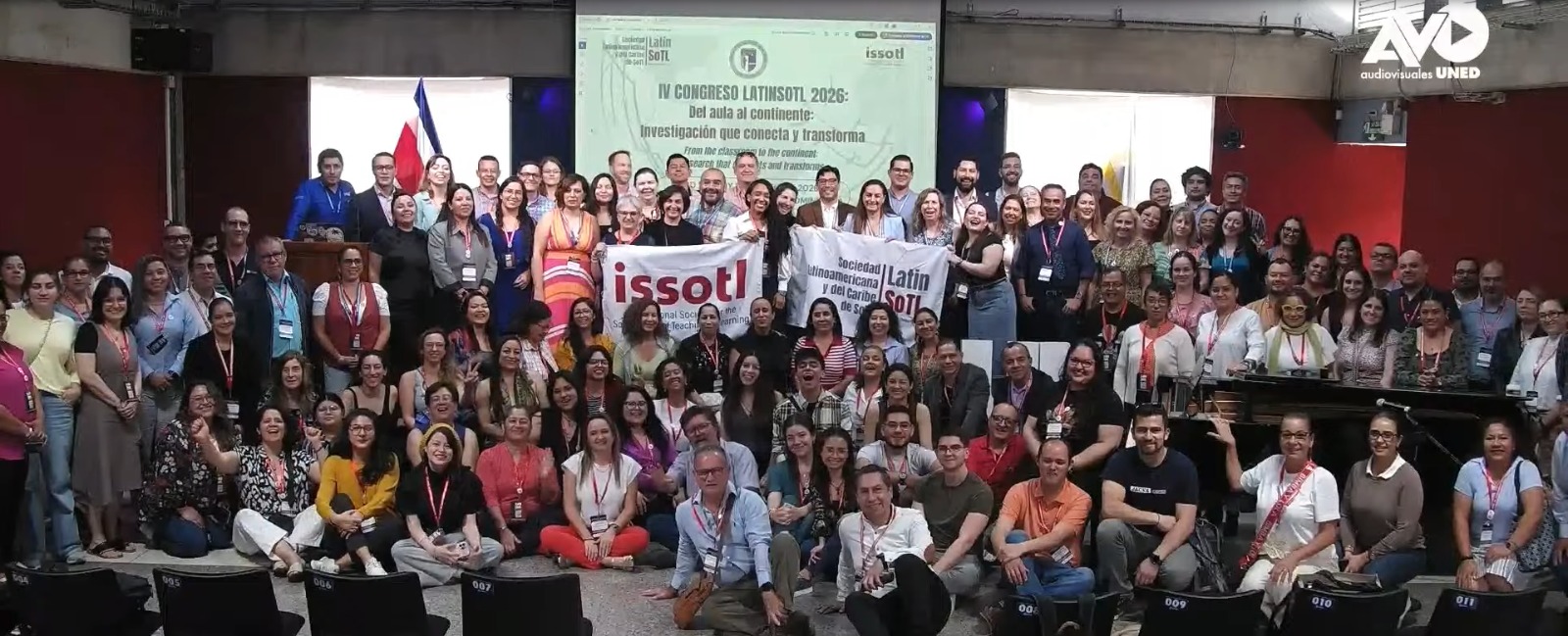
Kupatadze, who teaches in Elon’s Department of World Languages and Cultures, presented two sessions. Her keynote, “From Local Perspectives to Global Conversations: Strategies for Effective Dissemination and Publication of SoTL,” addressed how Latin American educators can share their innovative teaching practices with international audiences. Her workshop, “From Frustration to Opportunity: Exploring the International Publication Potential of Your Work,” helped participants reframe their classroom challenges as valuable research opportunities.
“What moved me most was witnessing the energy, enthusiasm, and dedication of colleagues who accomplish so much with limited resources,” Kupatadze reflected. “The Latin SoTL community is doing extraordinary work, often in challenging circumstances, and their voices are essential to understanding learning in diverse global contexts.”
A central theme of Kupatadze’s presentations was that the global conversation about teaching and learning is incomplete without robust participation from Latin American scholars. She emphasized that the pedagogical innovations emerging from Latin American classrooms, where educators regularly navigate large class sizes, diverse student populations, and resource constraints, offer valuable insights for the international academic community.
Following the conference, Kupatadze is exploring collaborative opportunities with Latin SoTL leaders, including a potential reflective article for the journal Teaching and Learning Inquiry that would examine how the international SoTL community can better support and amplify Latin American educational scholarship.
“These colleagues aren’t asking for help, they’re offering knowledge the world needs,” Kupatadze said. “My goal is to help build bridges so their essential contributions reach the global stage they deserve.”