The assistant dean in the School of Communications co-authored two chapters for the Worlds of Journalism Study 3, examining journalists’ employment conditions and the state of journalism in Costa Rica.
Vanessa Bravo, professor of strategic communications and assistant dean in the School of Communications, is a contributing author to the Worlds of Journalism Study 3 (WJS3): 2021–2025, a landmark global project analyzing the state of journalism across 75 countries.
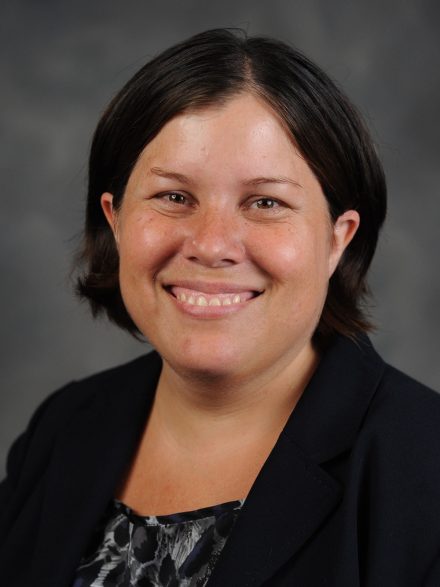
Bravo co-authored two chapters in the newly released publication – one exploring journalists’ employment conditions worldwide and another offering an in-depth country report on Costa Rica. Her work adds to a growing body of international research documenting the shifting realities of journalism, from precarious employment to changing professional norms.
The employment conditions chapter synthesizes data from all participating countries, highlighting trends such as the deterioration of working environments and the rise of precarity among journalists. Bravo’s Costa Rica report, co-authored with colleagues from the University of Texas at Austin and the University of Arizona, was supported by the Costa Rican nonprofit organization Punto y Aparte. Led by journalist Yanancy Noguera, former editor-in-chief of La Nación and current president of Costa Rica’s Colegio de Periodistas, Punto y Aparte played a key role in local data collection.
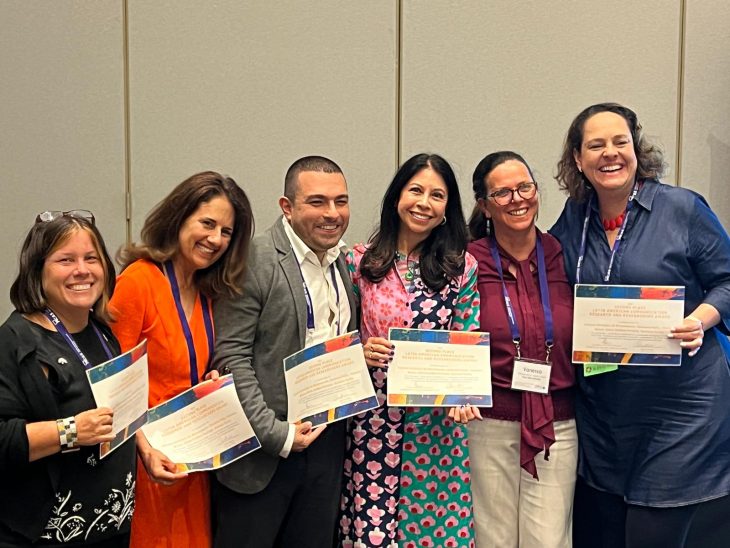
More than 250 journalists in Costa Rica were surveyed, and about 30 also participated in in-depth interviews, offering their perspectives on how media professionals are adapting amid economic and political pressures. Preliminary findings from this research were presented this summer at the Association for Education in Journalism and Mass Communication (AEJMC) annual conference in San Francisco, where the project received the International Communication Division’s Top-2 Paper Award for research focused on Latin America.
Now in its third iteration, the Worlds of Journalism Study is the most comprehensive examination to date of the profession’s global landscape. More than 90 researchers collaborated on the project, which investigates topics such as safety and work-related risks, editorial autonomy, media freedom, and perceptions of journalists’ roles. The full WJS3 report is available on the organization’s website.
Earlier this month, Bravo served as a keynote speaker at the annual congress of the Mexican Association of International Studies (Asociación Mexicana de Estudios Internacionales), where she delivered a 75-minute lecture exploring the evolving challenges facing public diplomacy professionals.