University Magazine has ranked Elon University as one of the 'best high-tech college campuses.' The data-informed ranking highlights universities setting the standard for high-tech education in 2026.
Elon University has been ranked one of the ‘Best High-Tech College Campuses‘ by University Magazine, which evaluated campuses where technology actively improves learning, research output and student opportunity.
Elon is ranked No. 9 on the list for its focus on “innovation through modern campus technology and experiential learning. Students access smart classrooms, digital media studios and technology-enhanced learning spaces across disciplines. Elon emphasizes practical application of technology through research, creative projects and global experiences.”
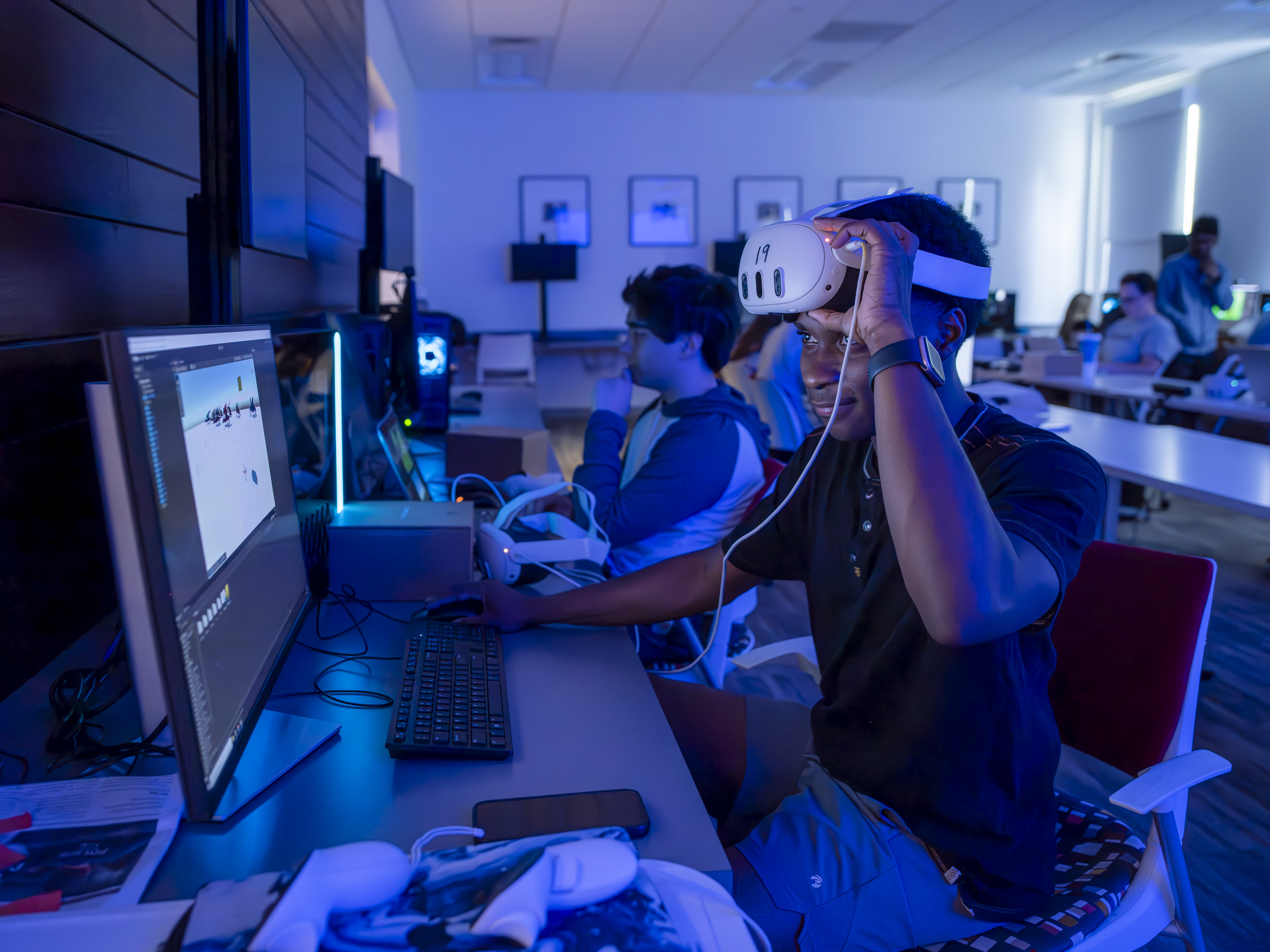
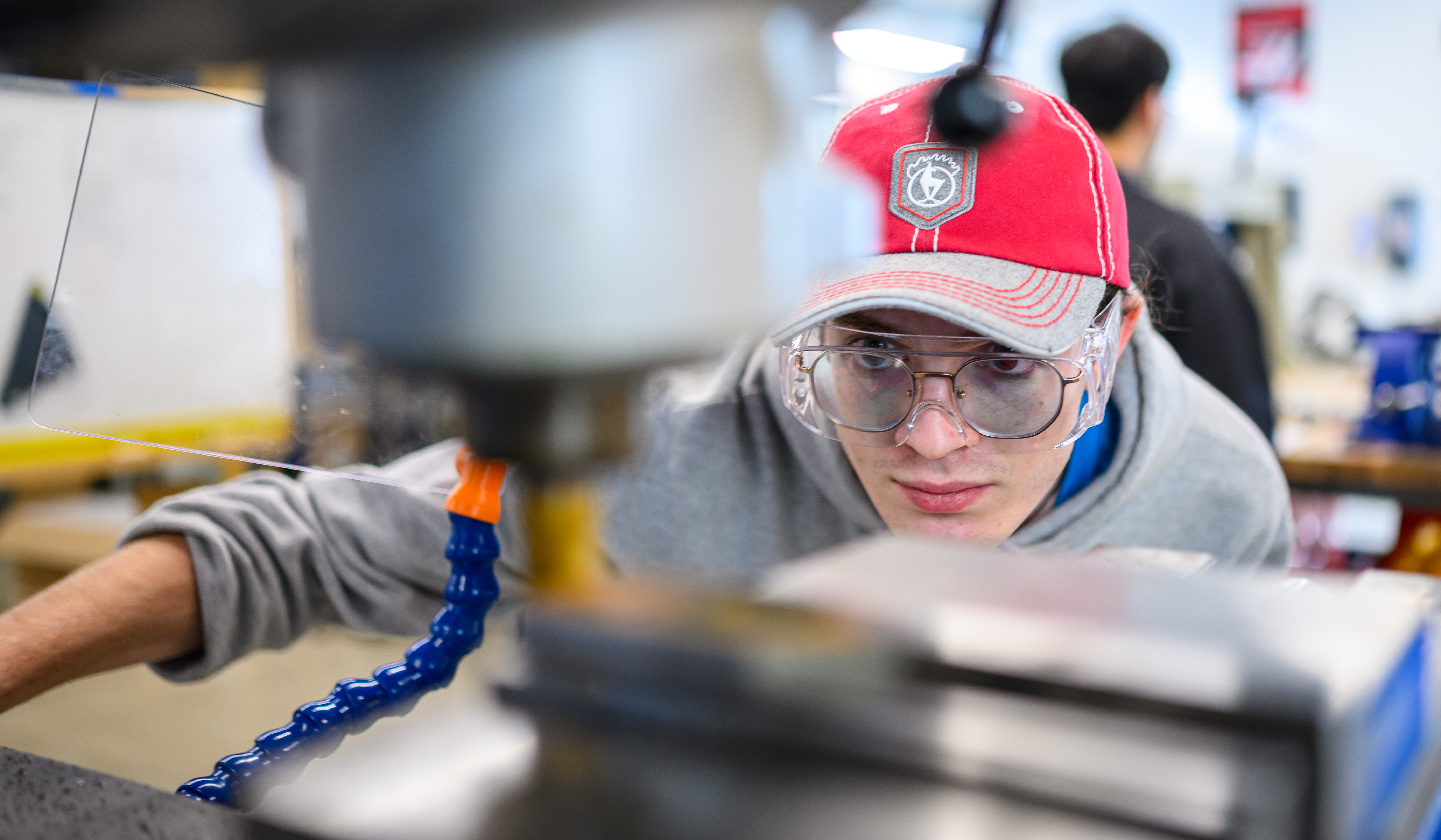
Spaces across Elon’s campus allow students to learn about technology, and through technology as well, including the Maker Hub, where any member of the Elon community can freely access and use 3D printers, sewing machines, laser engravers, saws and drills, a CNC router, an embroidery machine and much more. Elon’s Founders Hall and Innovation Hall also include a multitude of learning lab opportunities, including Engineering Design, Engineering Prototype, Virtual Reality and Mechatronics.
At Elon, technological learning is not restricted to STEM subjects. In 2025, the Department of Music opened an immersive audio room in Arts West, providing students and faculty with a high-quality environment for both teaching and experimentation — particularly in Dolby Atmos, the industry-standard format that reshapes everything from cinematic sound to commercial music releases. The Department of Performing Arts’ fall 2024 performance of “Legally Blonde” also featured some robotic co-stars, thanks to the collaboration with students in the Department of Engineering.
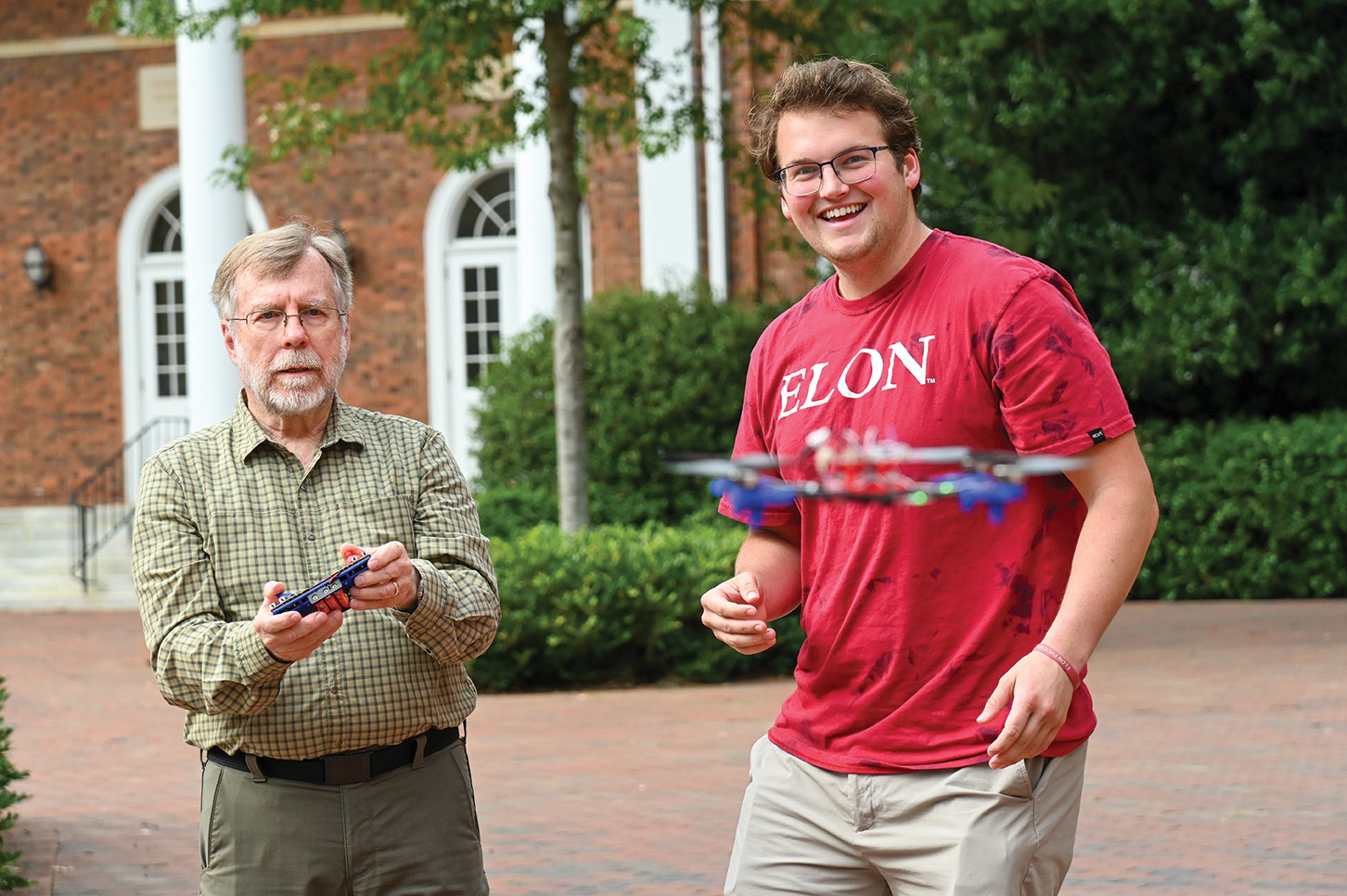
A new undergraduate major, digital content management (DCM), in the School of Communications prepares students for careers in digital storytelling, content strategy and audience engagement across emerging platforms. The school also launched a new “Drones and Society” course in fall 2025, which blends hands-on projects and flight simulations with discussions about ethics, privacy and the broader impact of drone use.
As artificial intelligence continues to be at the forefront of technology conversations, Elon named Mustafa Akben as its first director of artificial intelligence integration. Akben now leads the integration of artificial intelligence across Elon’s academic and administrative departments, building on six core principles the university helped establish to guide higher education institutions with a rapidly evolving and groundbreaking technology.
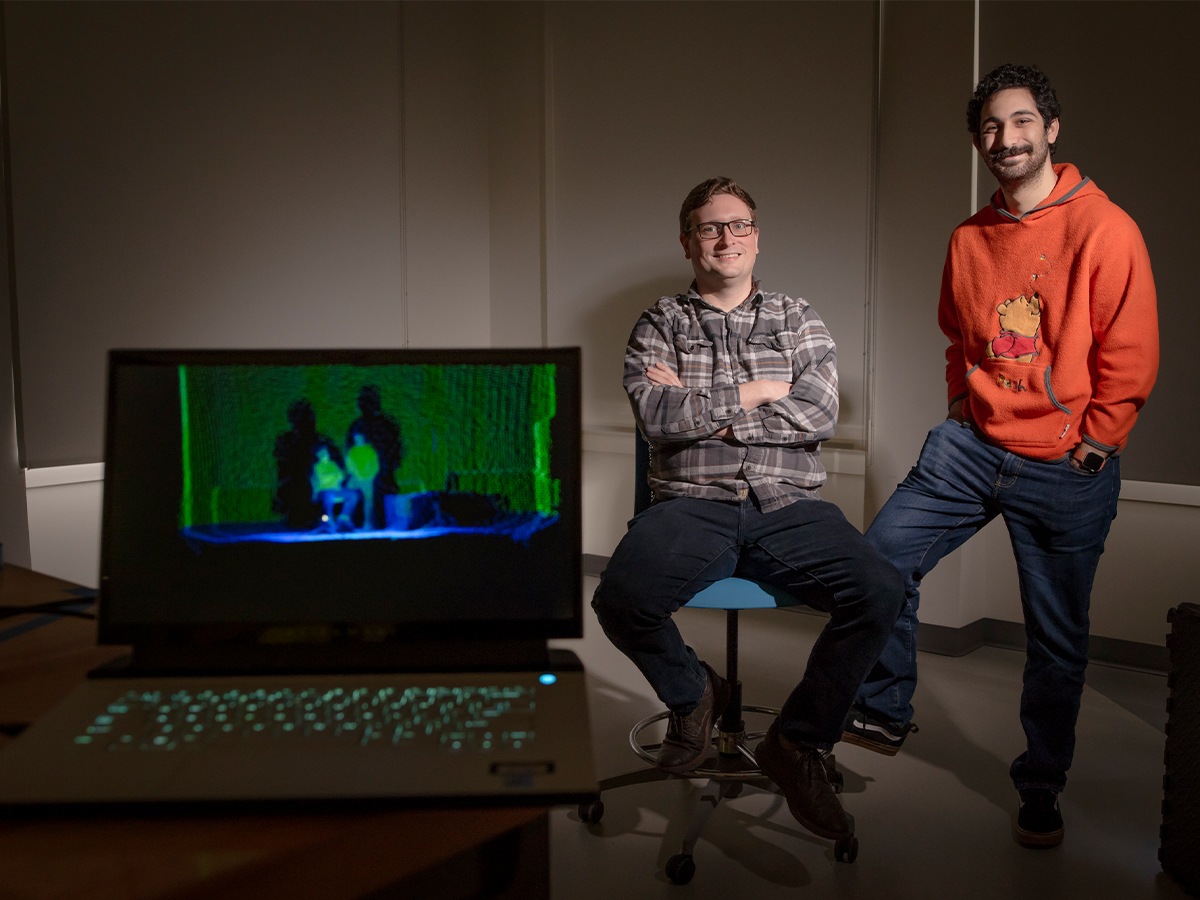
Students use these opportunities for learning in their research as well. Rony Dahdal ’26, a Lumen Scholar and Goldwater Scholar, is researching how to use LiDAR, a remote-sensing technology that uses laser beams to measure distances and movements, to detect vital health signs. Another Lumen Scholar and Goldwater Scholar, Jacob Karty ’26, is doing research around agricultural robotics.
“(Elon’s) commitment to innovation helps students develop strong digital communication and problem-solving skills as they prepare for careers shaped by rapid technology change,” writes University Magazine.