


What began as an Employee Volunteer Program by the Staff Advisory Council has grown into a meaningful program that strengthens both community ties and campus culture
At Elon University, service is not reserved for students, it’s a shared commitment that extends to faculty and staff through a unique benefit: paid volunteer hours.
The Employee Volunteer Program was created to allow Elon staff to receive paid leave to volunteer with community organizations, a benefit now formalized through Human Resources. Today, full-time staff working 30 or more hours per week can take up to 16 hours of paid leave annually to support causes that positively impact the quality of life within communities. Beyond the policy itself, the program reflects something deeper.
“Allowing Elon employees to have paid volunteer leave is symbolic of Elon University’s commitment to supporting local communities,” said Bob Frigo, director of the Kernodle Center for Civic Life and assistant dean of campus life.
He emphasizes that engagement is not just a student responsibility, but “it is important for staff and faculty to model the way in terms of being active citizens in our communities.”
For many employees, these hours open doors to experiences that might otherwise be difficult to access during a busy workweek. Kelly Harer, associate director of sustainability for education and outreach, used her volunteer time to work the polls during a local primary election.
“Volunteering is something I’ve been doing my entire life, and I’m so thankful that Elon gives us the opportunity to volunteer during work hours,” she said. Her role involved guiding voters through the process, but the experience became more personal than procedural.
“I volunteered in my own voting precinct; it was lovely to chat with folks that live near me that I might not otherwise get to know,” said Harer.
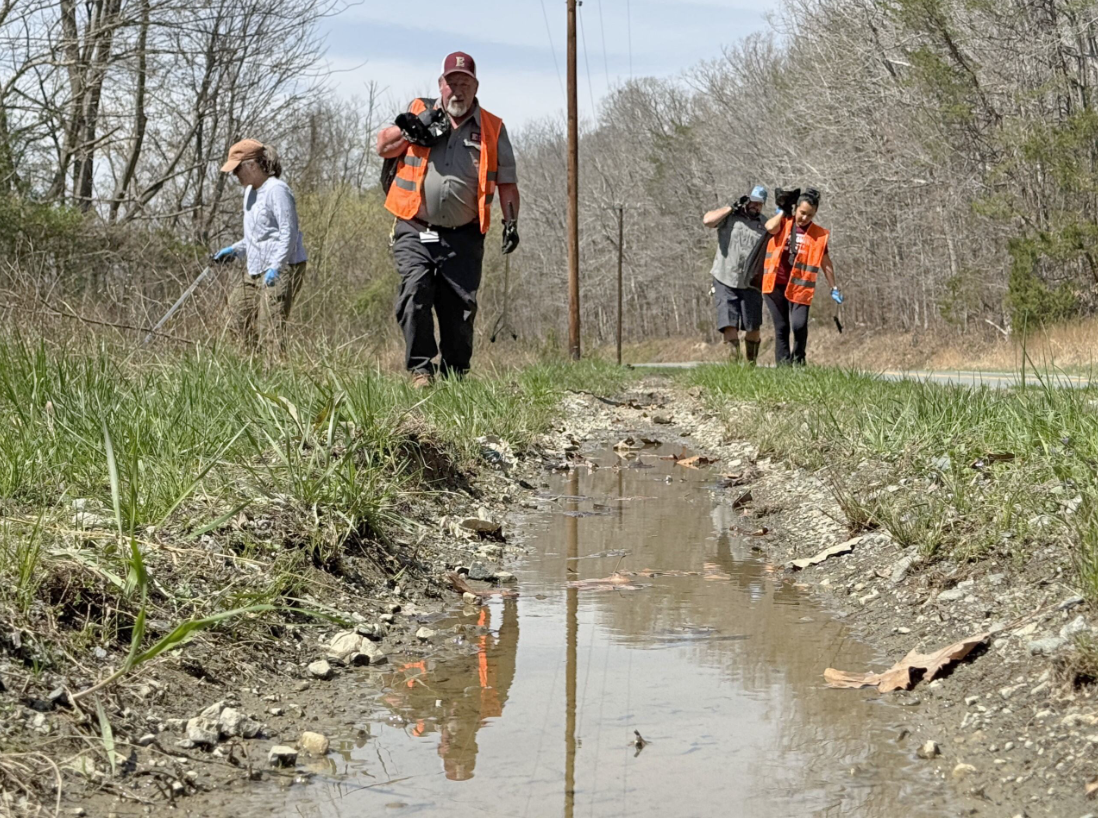
Nicole Bergen, program assistant for the Kernodle Center for Civic Life, also participated in an experience that highlights the variety and flexibility the program offers. From reading with first graders to participating in Haw River cleanups, she has used her hours to connect with the Alamance County community in multiple ways.
“I am always amazed at what a group of working volunteers can accomplish in such a short time,” she reflected. Whether collecting bags of trash or seeing “a student partner smiling at you the second you appear in the doorway,” Bergen has found both purpose and connection.
For Bergen, who does not live in the county, the program has been especially meaningful.
“It has felt like a lovely adventure to discover the area outside work,” she said, adding that it has reshaped her understanding of her role in the community.