


Elon University and the City of Charlotte partnered to explore how future transit investments can support economic opportunity and community growth across the region.
As Charlotte continues to grow, city leaders are asking an important question: How can growth create opportunities for the businesses and communities that already call the region home?
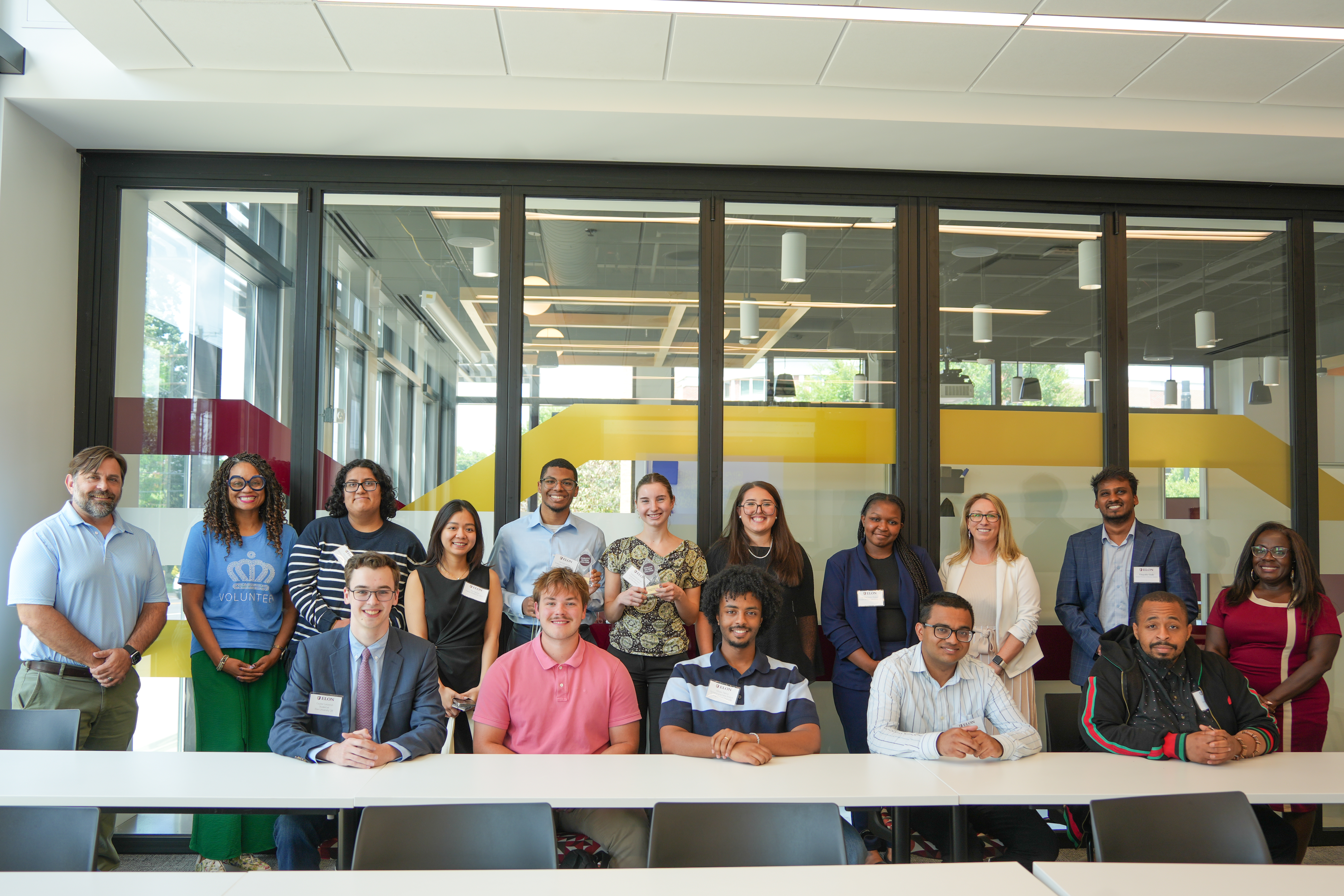
That question brought together students, professionals, community members and local government leaders for the Charlotte Decision Challenge, hosted through Elon University’s Master of Science in Business Analytics Flex program in partnership with the City of Charlotte.
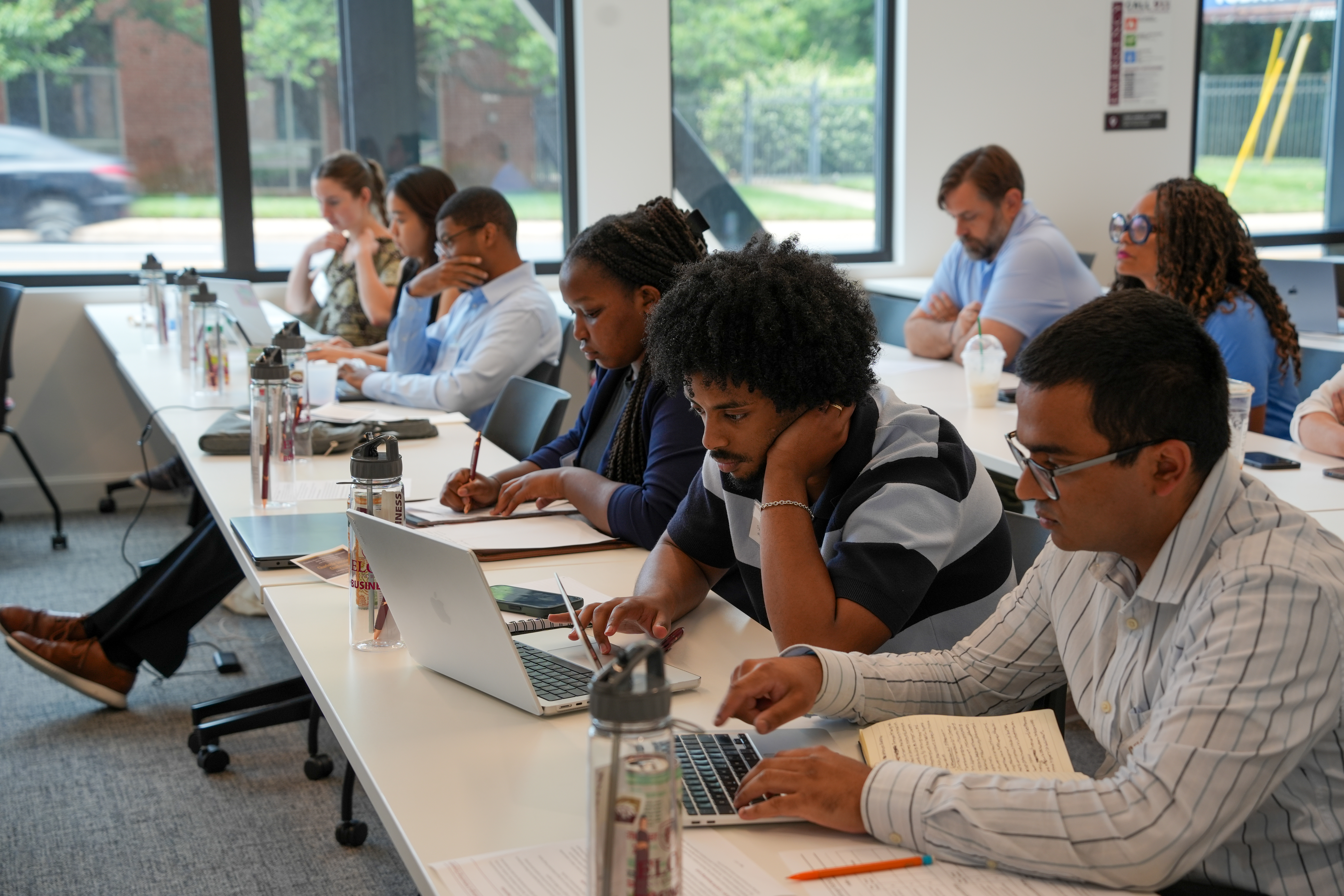
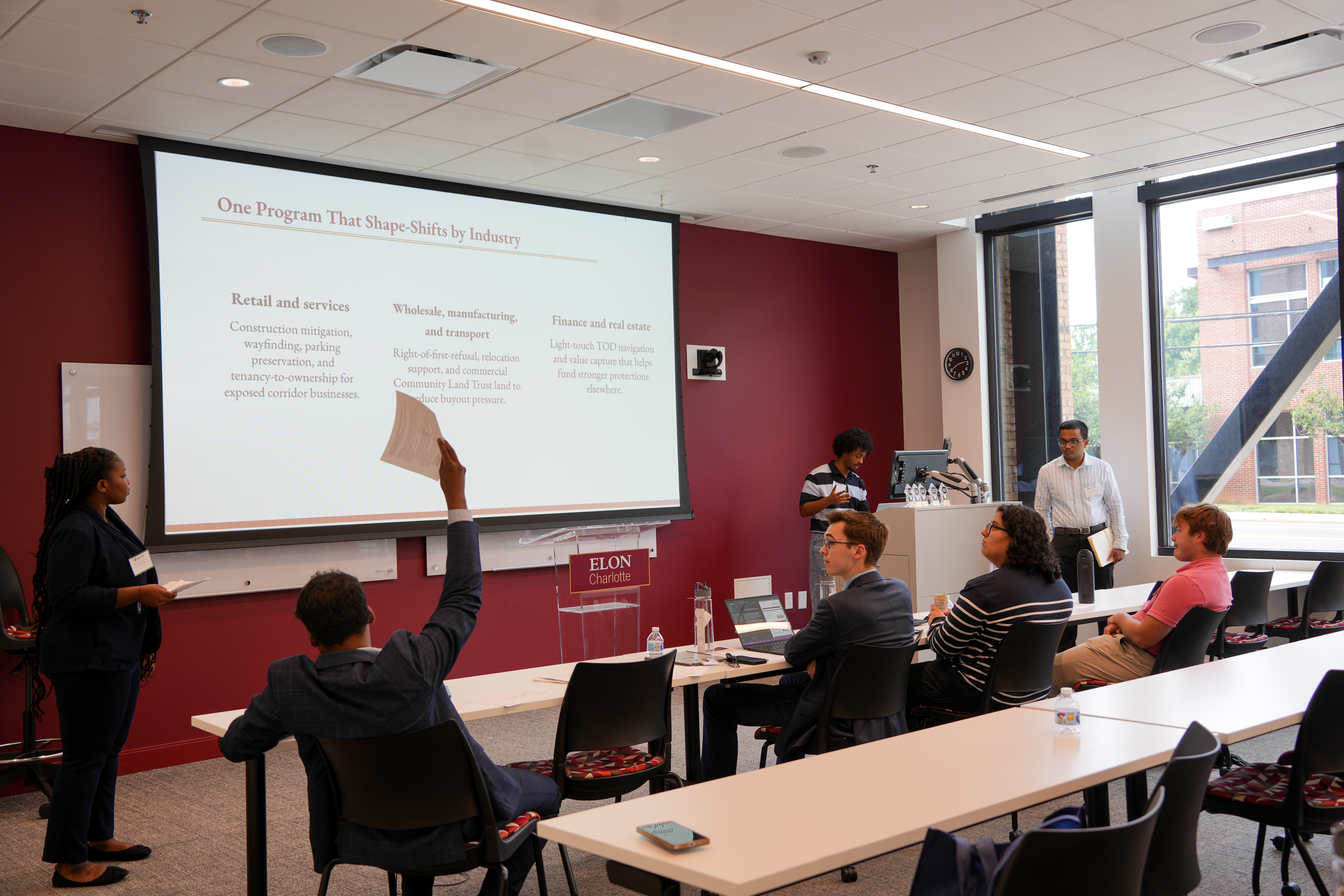
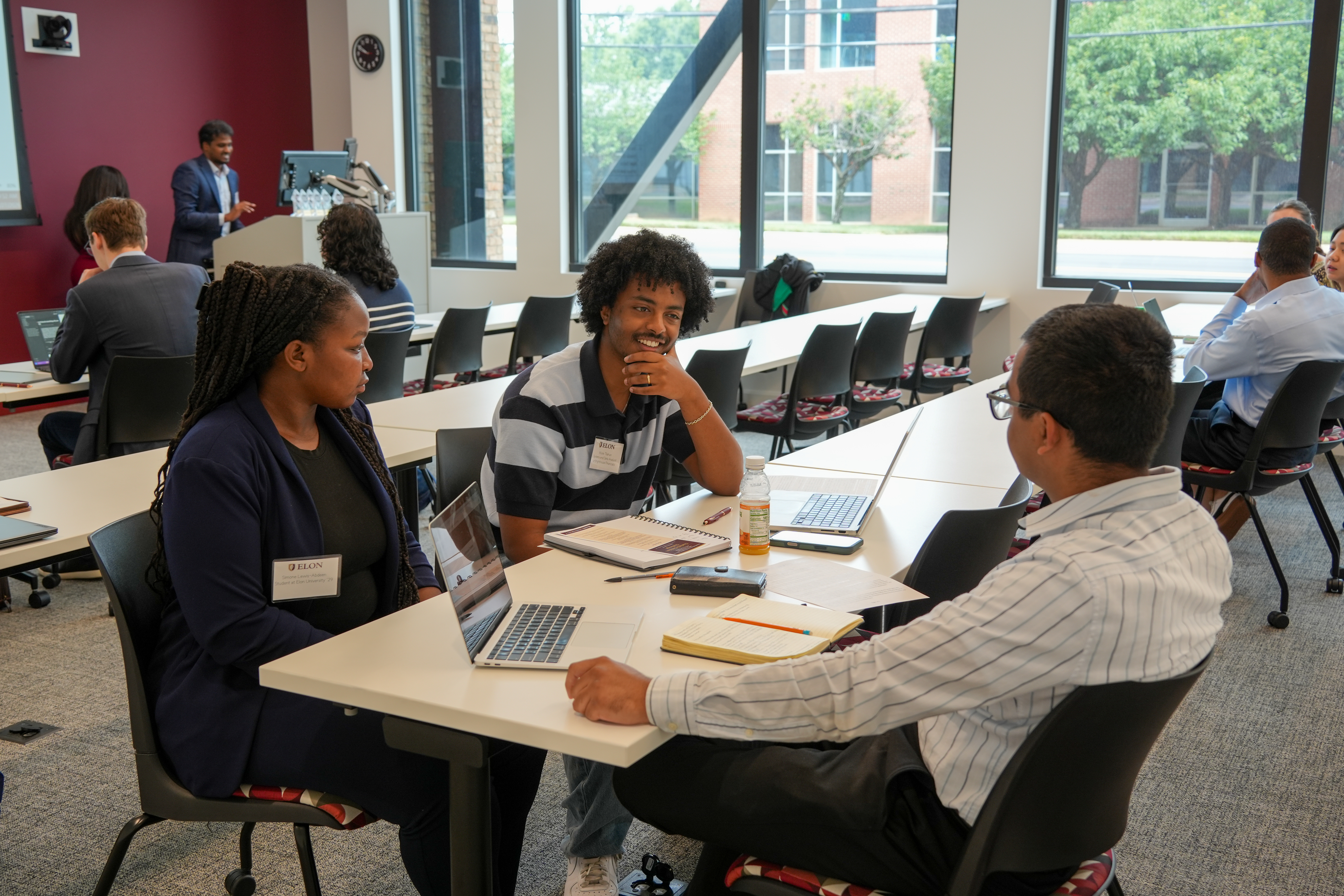
Guided throughout the day by Lakeisha Vance, assistant teaching professor of business analytics, and Vinayaka Gude, assistant professor of business analytics, participants worked in teams using real data and a custom analytics platform to explore potential impacts along the proposed Red Line corridor and develop recommendations aimed at supporting businesses and communities as growth continues across the region.
“One of the strengths of the MSBA Flex program is the opportunity to bring together industry partners, community leaders and learners from a variety of backgrounds to tackle real challenges,” said Mark Kurt, associate dean of curriculum and academic programming at the Martha and Spencer Love School of Business. “Partnerships like this allow us to apply analytics in ways that extend beyond the classroom and support the communities we serve.”
For city leaders, the challenge offered an opportunity to bring new voices into conversations that will help shape Charlotte’s future.
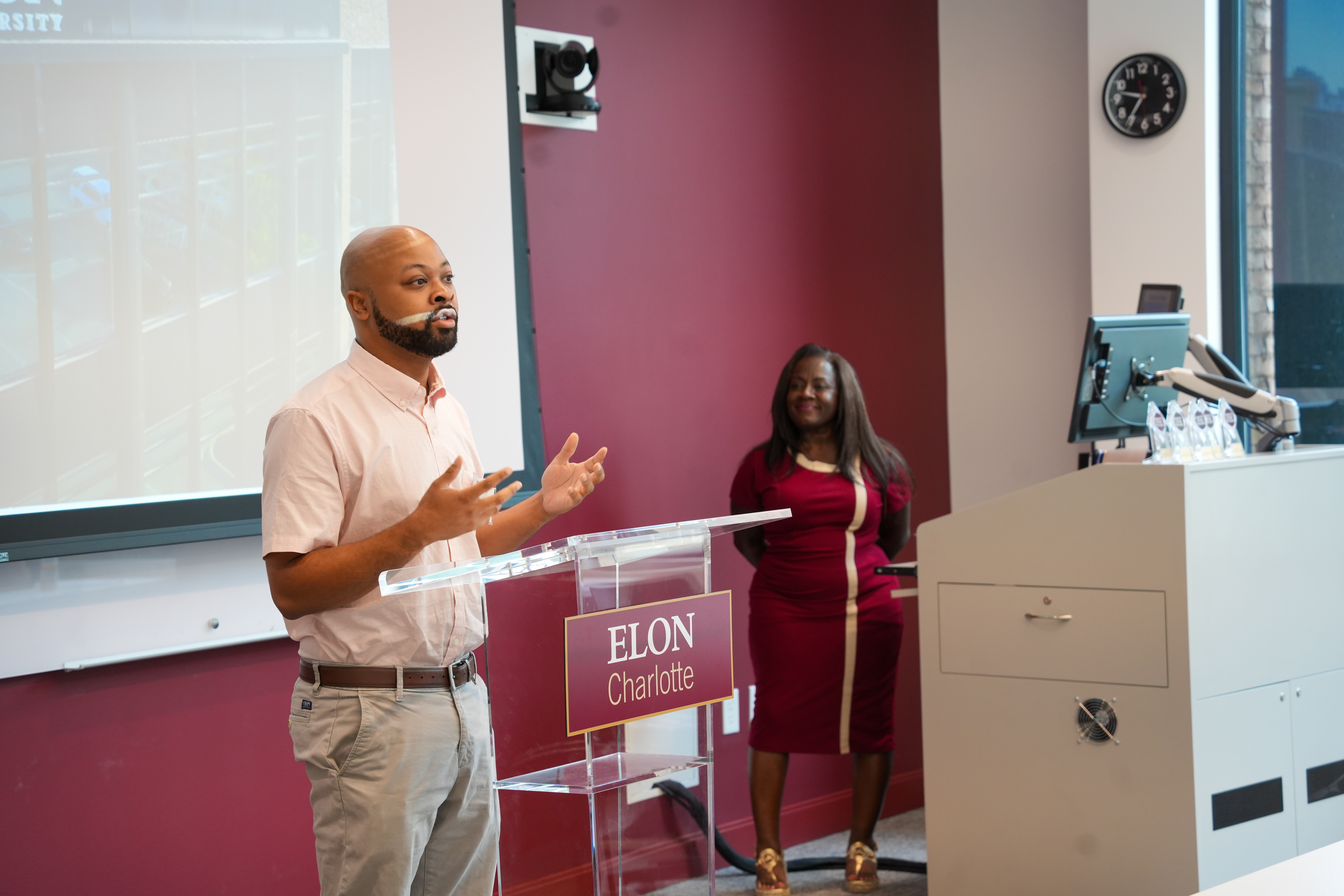
James Carter speaks during the Charlotte Decision Challenge at Elon University in Charlotte
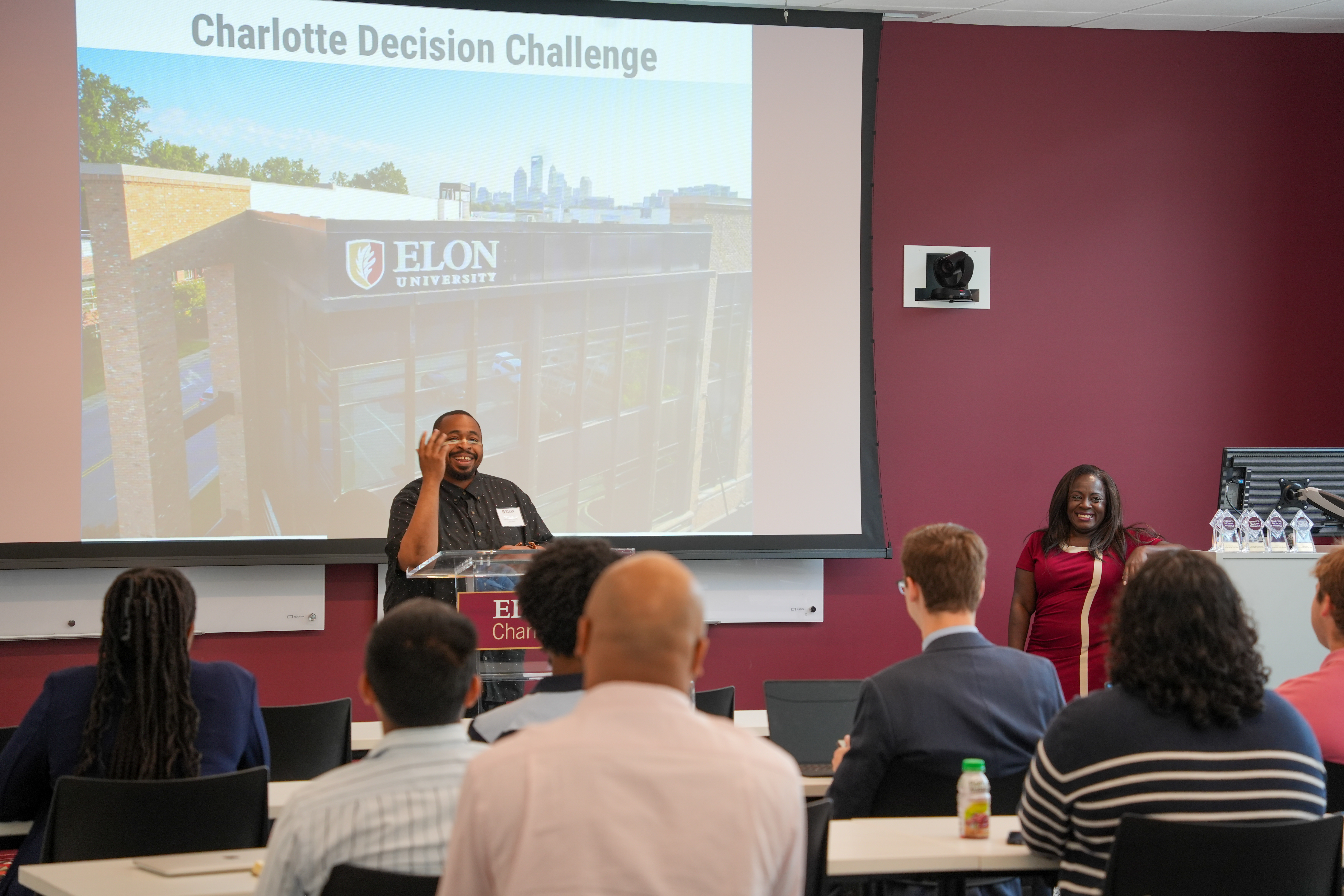
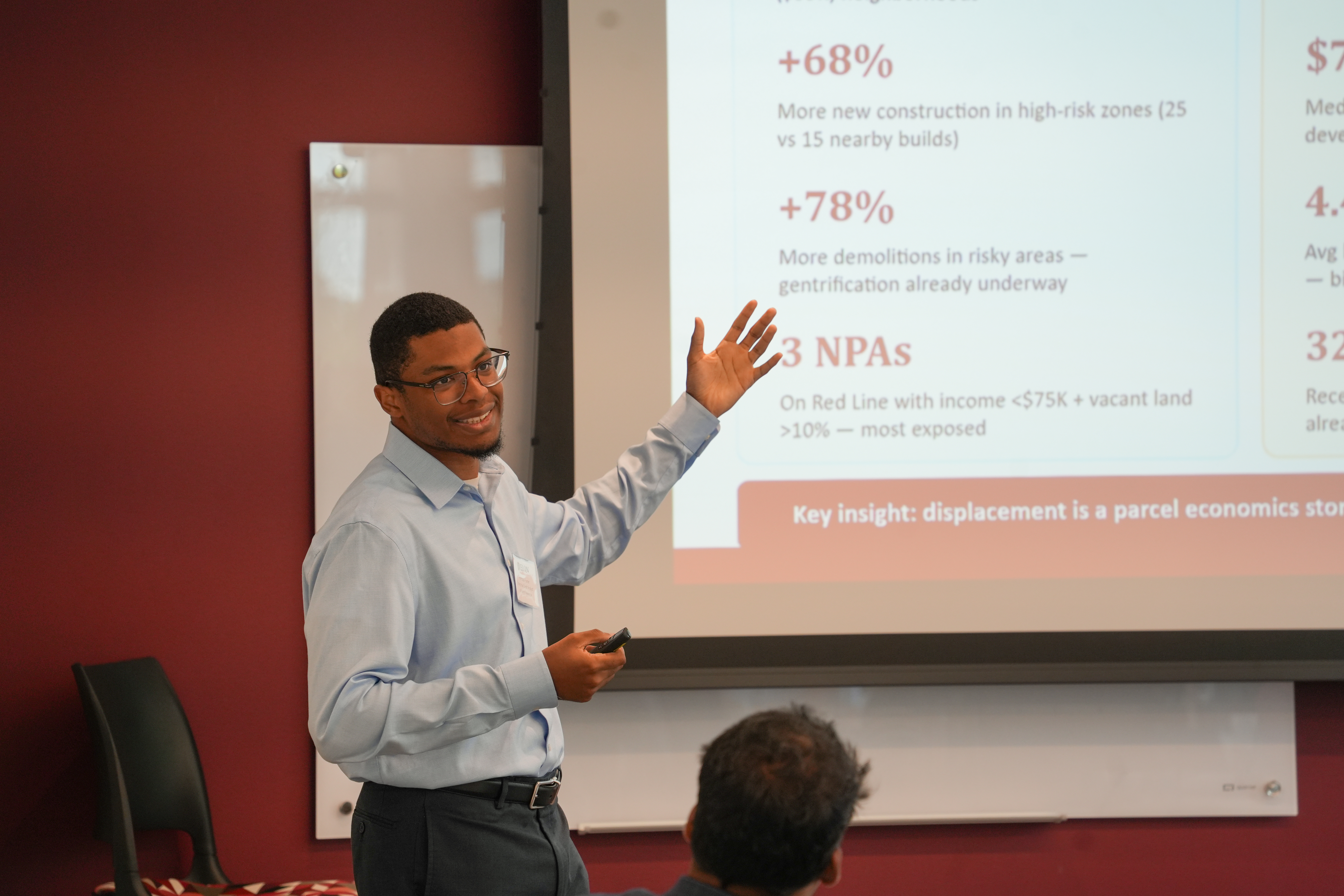
John L. Walton II, a Mecklenburg County consultant, speaks during the Charlotte Decision Challenge

Vinakaya Gude speaks with participants as teams develop recommendations

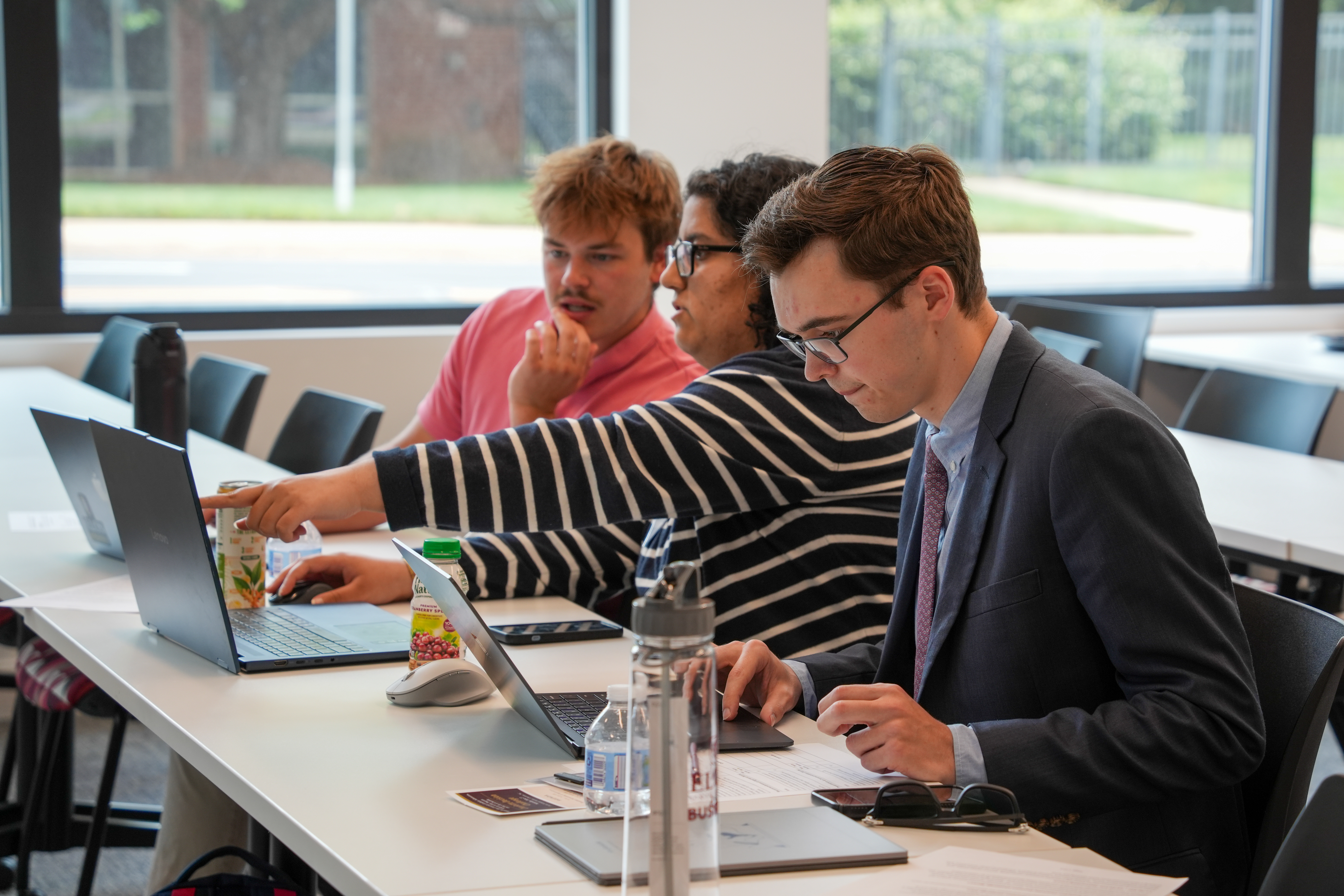
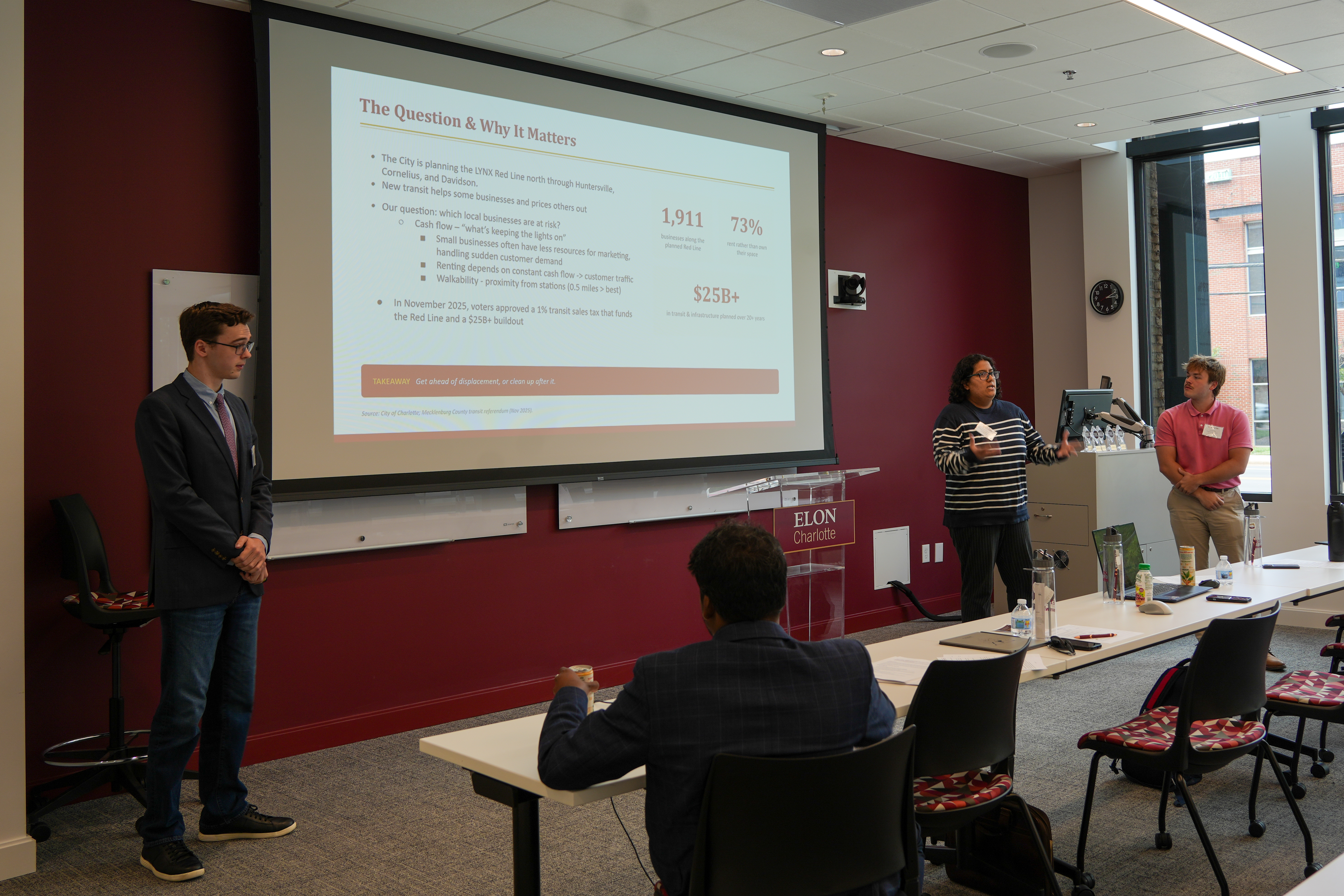
“As city leaders, we have to constantly ask ourselves who’s not here and who’s impacted by the decisions we’re making,” said Charlitta Hatch, deputy chief information officer and chief data and analytics officer for the City of Charlotte. “Bringing students, professionals and community members into that process helps us see challenges from new perspectives.”
Between July 2024 and July 2025, Charlotte added more residents than any other city in the nation. Transportation infrastructure will play an important role in supporting that growth. As city leaders look toward future transit investments, they are also looking closely at lessons learned from previous transit projects and how those experiences can inform future decisions.
The proposed Red Line will bring commuter rail service to communities north of Charlotte, including Huntersville, Cornelius and Davidson. Throughout the challenge, participants looked to experiences from Charlotte’s existing Blue Line light rail system and explored themes including business ownership, entrepreneurship and economic mobility.
For Jackie Tynan, data analytics manager for the City of Charlotte, that combination of perspectives is exactly what makes partnerships like this valuable.
“The students here today are a different generation than those in leadership making the decisions,” Tynan said. “By including the voices of our future in the decisions, we can build stronger outcomes that reflect what matters most to them and better prepare them for what’s ahead. ”
Hatch described universities as “community think tanks” and emphasized the value of collaboration between higher education and local government.
“The partnerships are critical because we are limited in what we know and what we can do,” Hatch said. “The breadth that you have, from researchers to practitioners to emerging talent, really helps us make sure we are recommending the best solutions for our community.”
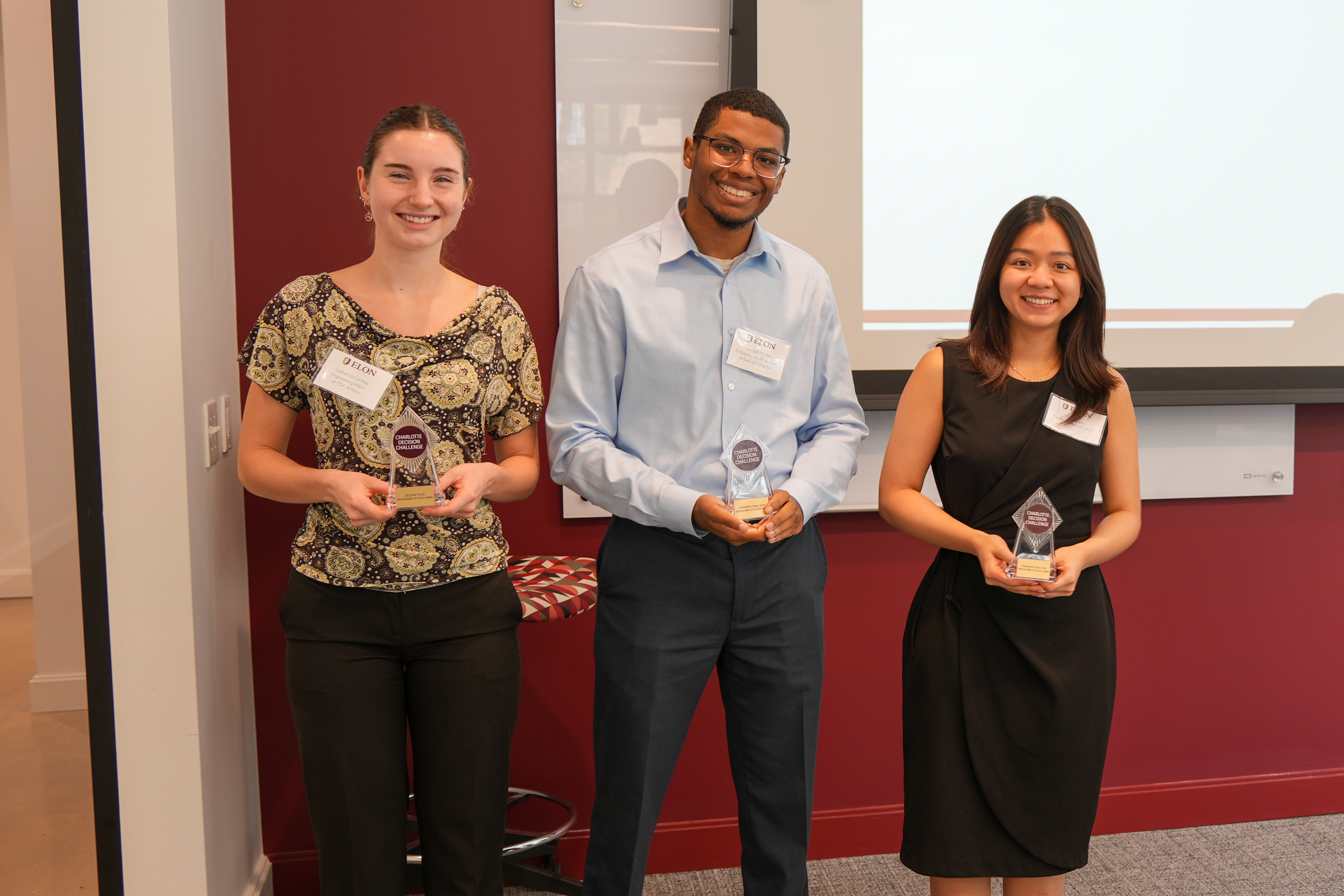
By the end of the event, participants had transformed publicly available data into recommendations for one of Charlotte’s most important future infrastructure projects, demonstrating the role collaboration can play in shaping stronger communities.
“It makes me hopeful about what a larger group can do over a longer period of time,” Tynan said.