


Krista Contino Saumby, Elon Law's director of career services, published a column in the Hispanic National Bar Association's magazine, Noticias, around changes in the legal profession and how to best mentor law students.
Changes in legal recruiting, bar examinations and artificial intelligence offer new challenges for law students — and shift the guidance they need from practicing attorneys, according to Elon University School of Law’s Krista Contino Saumby.
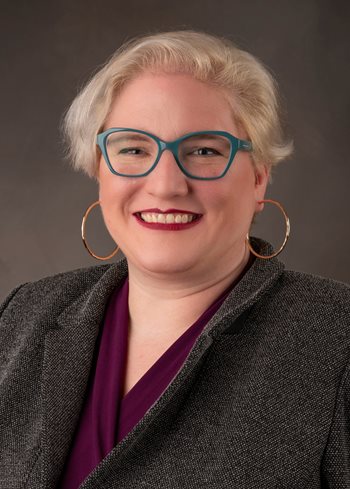
In “Mentoring the New Generation of Lawyers-To-Be,” published in the September edition of Noticias Magazine by the Hispanic National Bar Association (HNBA), Contino examines how attorneys can adapt their mentorship to help aspiring lawyers navigate an evolving legal profession. Contino is the director of career services at Elon Law and also co-chair of the HNBA’s new Legal Education Division.
Contino emphasizes the importance of mentorship for Latine law students, many of whom are the first in their families to pursue legal careers. Shared cultural experiences can help establish trust and encourage students to ask questions they might otherwise hesitate to raise.
She identifies three developments that mentors should understand:
- Changing recruitment cycles: Law firms are recruiting students earlier than ever, requiring mentors to understand how today’s hiring practices differ from their own experiences.
- The NextGen Bar Exam: Changes to bar examinations make early engagement with academic support resources increasingly important for students.
- Artificial intelligence in legal education: Students must navigate varying classroom policies on AI while learning to use emerging legal technologies responsibly.
“I wanted to encourage my colleagues in the legal profession to reflect on how they can be more effective mentors,” Contino Saumby said. “Legal education and recruiting practices are changing, and the advice that helped us when we were students may not be as relevant today. By understanding the challenges students face and the resources available to them, we can offer more meaningful guidance and support as they prepare to enter the profession.”