


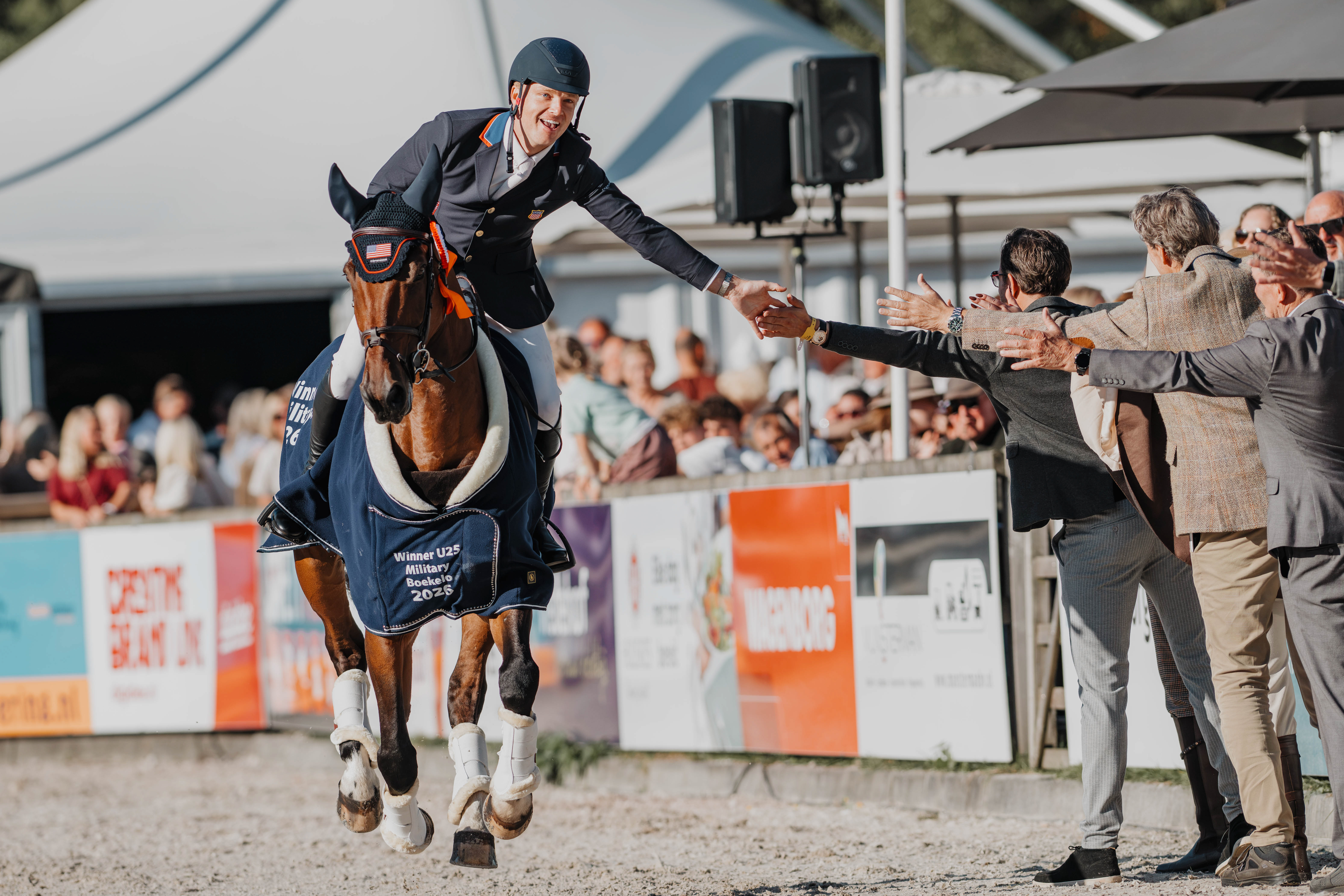
Ten-hour drives and classes from the road were part of the finance graduate’s Elon experience. Now he’s training in England with an Olympic goal.
When his last class ended on Wednesday, Jack Curtis ’26 often had a 10-hour drive ahead of him.
His horses were in Florida. He would spend three days training and competing before making the return trip to Elon, where he tried to fit his classes into the first half of the week.
Curtis had chosen Elon with that balance in mind. He wanted to earn a finance degree in the Martha and Spencer Love School of Business while competing in eventing, a sport he now hopes will take him to the 2028 Olympics in Los Angeles. The location put training and competitions within driving distance, and he wanted to build relationships with his professors.
At the beginning of each semester, he sent a long email explaining his sport, attaching photos before meeting with professors about his schedule. Some opened Zoom links so he could participate from the road.
Among his biggest supporters were Kc. Kasserman, assistant teaching professor of supply chain management, and Emily Wang, assistant professor of finance.
“Every time I would come back from a competition, Kasserman didn’t care if we were in front of the class. He’s asking, ‘How’d you do? How are the horses?’” Curtis said.
Wang also kept up with his progress, emailing him during competitions to ask how he was doing.
“It was nice to have support of a lot of professors,” Curtis said, “and them cheering me on a little bit.”
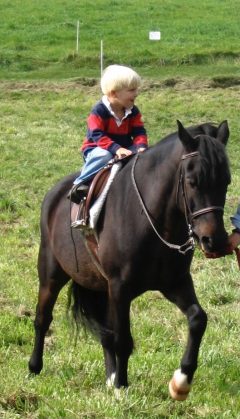 Curtis grew up in Beverly, Massachusetts, and began riding around age 8 alongside his twin brother, Sam, who also attended Elon. Their father drove them to farms around their hometown, looking for opportunities to ride. Sam eventually stepped away from competing, while Jack continued.
By college, Curtis had a partner he believed could take him further. Luska Candy Clover, an Irish Sport Horse he calls Roo, was approaching 7 years old when Curtis began riding him. Together, they moved through the levels and made their international debuts.
“He put me on the map,” Curtis said.
Eventing tests the pair across dressage, cross-country and show jumping. Horse and rider must perform precise movements in an arena, navigate a timed course across varied terrain and clear a course of fences. The lowest combined finishing score wins.
As their results improved, Curtis worked with coaches, including U.S. eventing coach Leslie Law, to plan his next steps.
“A lot of these bigger things that I thought maybe were not attainable were suddenly becoming within an arm’s reach,” he said. “Then I just went all in.”
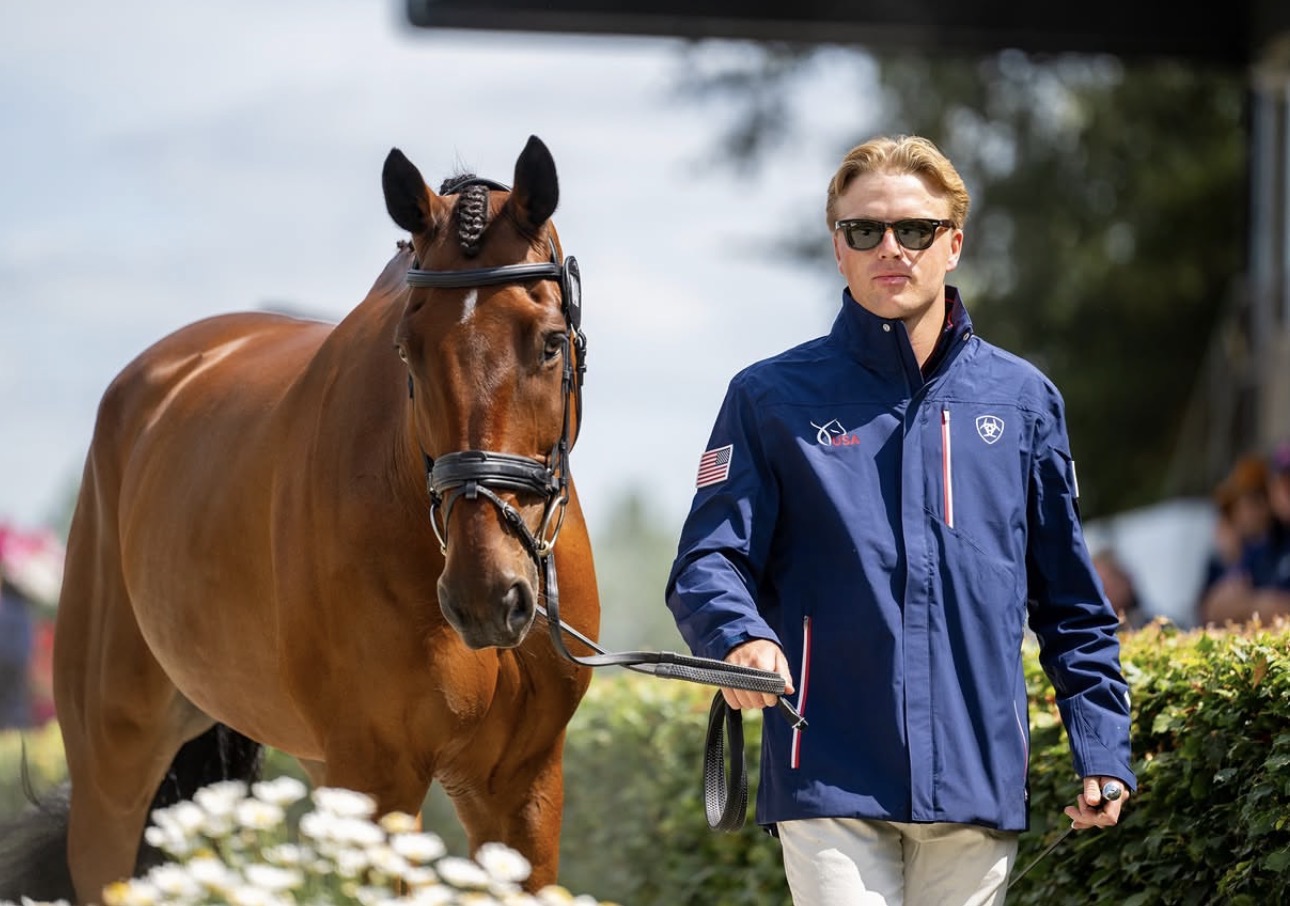
Alongside his finance coursework, Curtis served as recruitment chair for Sigma Chi. Keeping up with those commitments while training and traveling taught him to plan his time.
“You have to schedule out your day or week or whatever it may be,” Curtis said. “For me and horses, everything is planned.”
His degree also gave him a foundation for understanding the financial demands of the sport.
“A lot of the things I’ve learned in finance, I still somewhat apply to the horses,” he said. “It’s a very expensive sport.”
An Elon study abroad experience in London helped him explore where he might build that career. While interning at a real estate agency, Curtis also rode in the countryside and attended competitions.
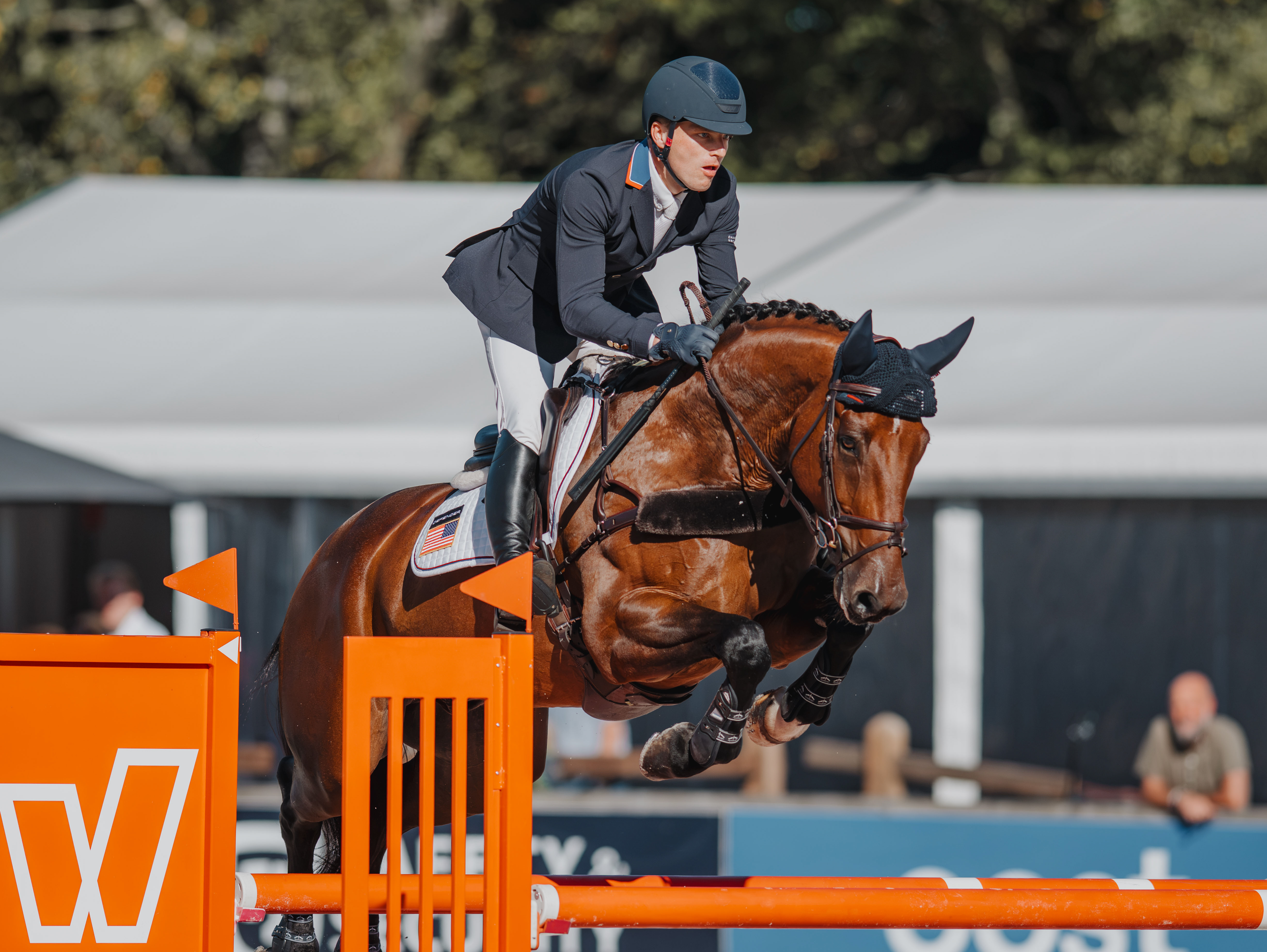
“I had an inkling that I wanted to move over here post-grad to compete,” Curtis said.
By Commencement, Curtis was ready to make the move. The night he graduated, he drove to Florida to pack his horses’ equipment and prepare them for travel. After a brief trip home to pack his own belongings, he boarded a flight to Heathrow.
Three days after crossing the stage at Elon, he was in England. Now based in Tetbury, he trains with Tom McEwen.
His days typically begin at the barn at 7 a.m. Together, they plan each horse’s training around its needs and upcoming competitions, balancing jumping, dressage and gallops for fitness with rest and easier rides through fields and woods.
Alongside Roo, Curtis is bringing along a younger horse, Cooley Topgun, with future championships in mind.
“I haven’t really rushed him,” Curtis said. “I’ve taken my time with him.”
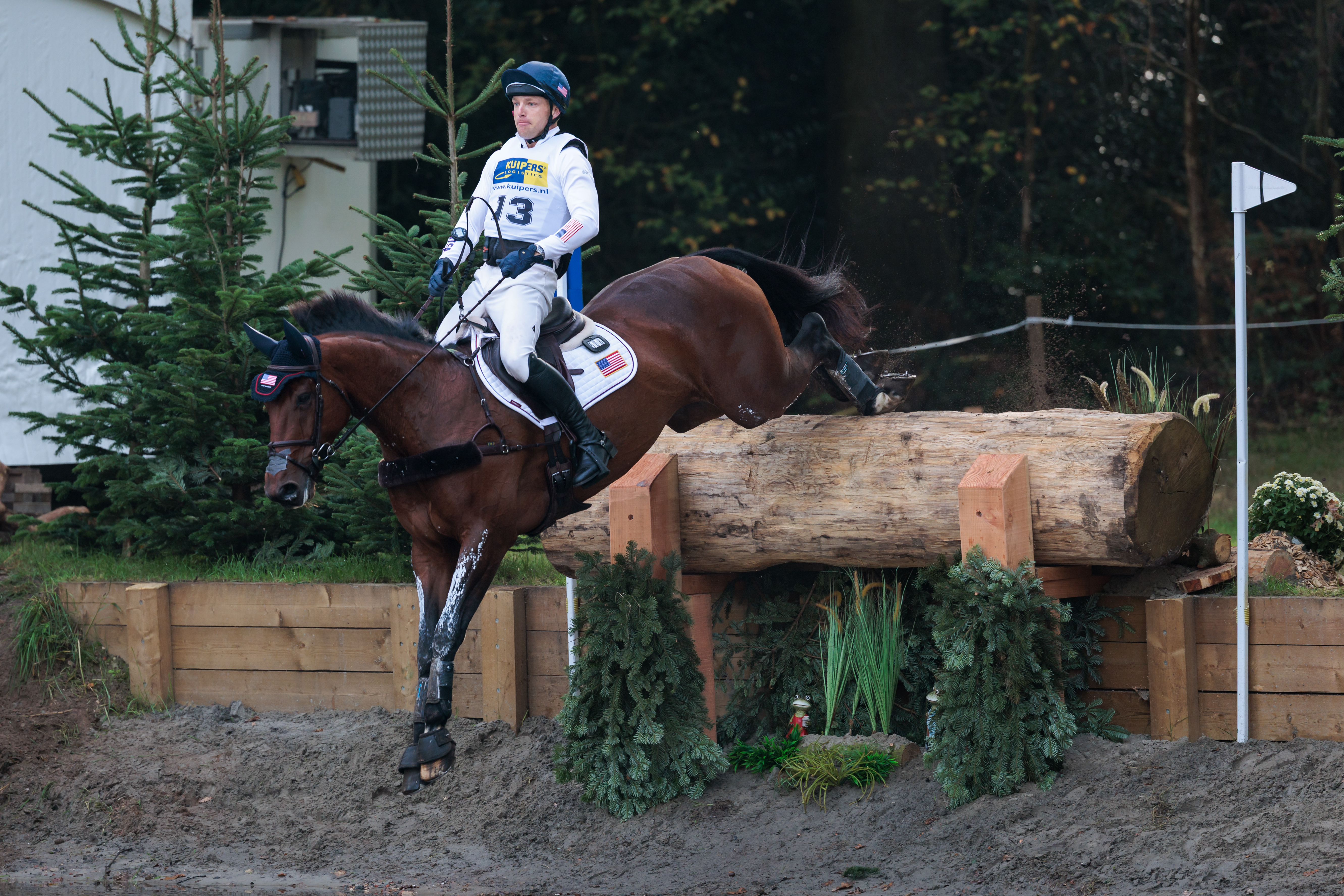
With Roo, he has begun gaining experience on international teams. In July 2026, they finished sixth individually at the FEI Eventing World Championship for riders under 25 in Millstreet, Ireland. In October, they represented the United States at the FEI Eventing Nations Cup in Boekelo, the Netherlands.
“I looked up to so many of the experienced riders who now I am on teams with,” Curtis said.
He is targeting larger competitions in 2027 and hopes to earn a place on the U.S. team for the Pan American Games. The planning involves finding events that suit Roo while giving the pair opportunities to demonstrate their readiness for Olympic consideration.
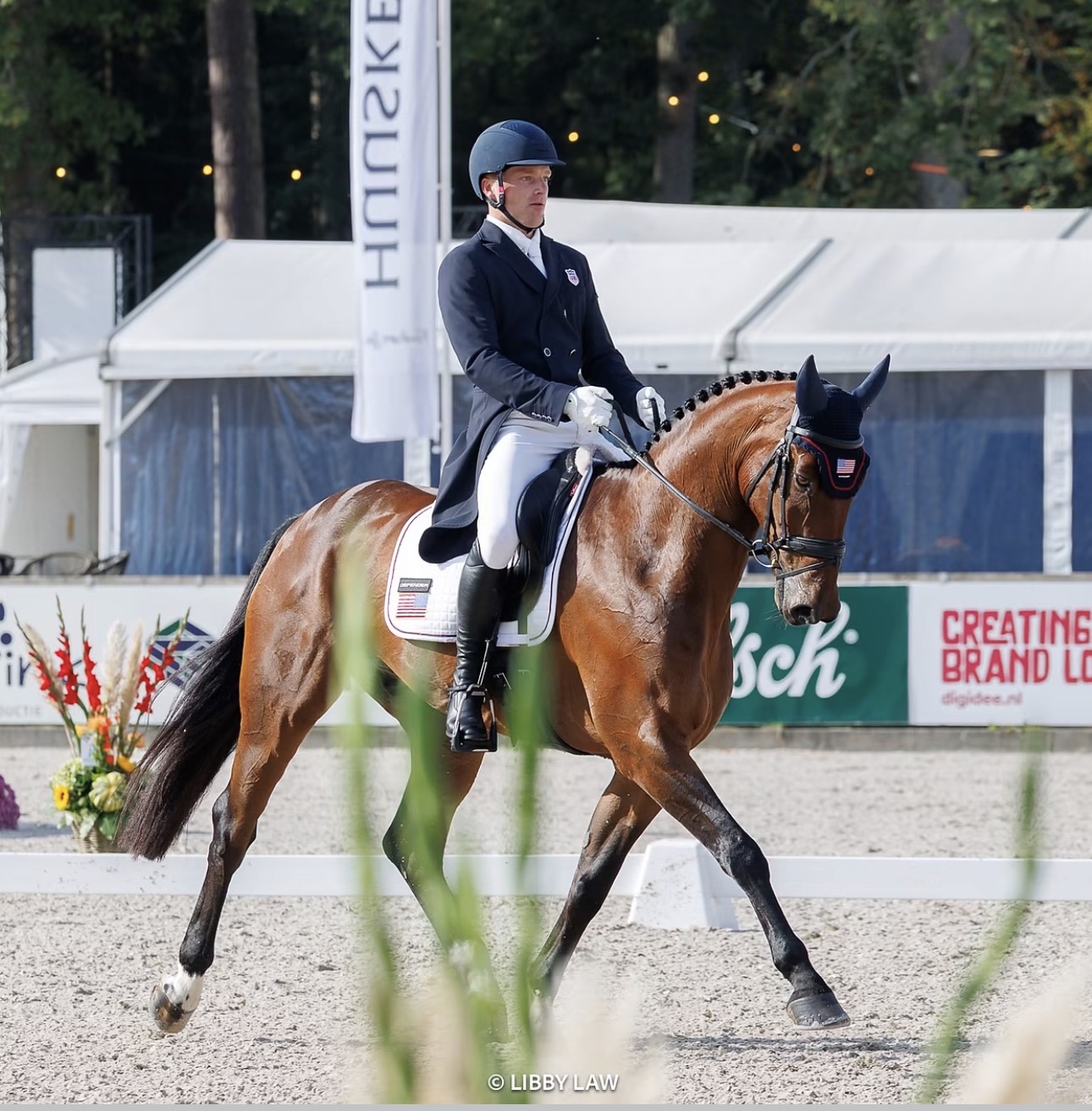
Looking back, Curtis sees asking for help as one of the most valuable things he learned at Elon. He arrived hesitant to explain what he needed. Over time, conversations with professors helped him find ways to pursue both his education and his sport.
“I could really speak to anybody at Elon,” he said. “If one person didn’t have an answer, they’d point me in the direction of somebody who did.”
Now, as he plans his next competition season, Curtis is putting that lesson to work with the coaches and supporters helping him pursue a place on the Olympic team.