


Assistant Professor of Journalism and First Amendment Attorney Israel Balderas appears on WGHP's Swing State to discuss the competitive midterm election in North Carolina and topics that could impact the election.
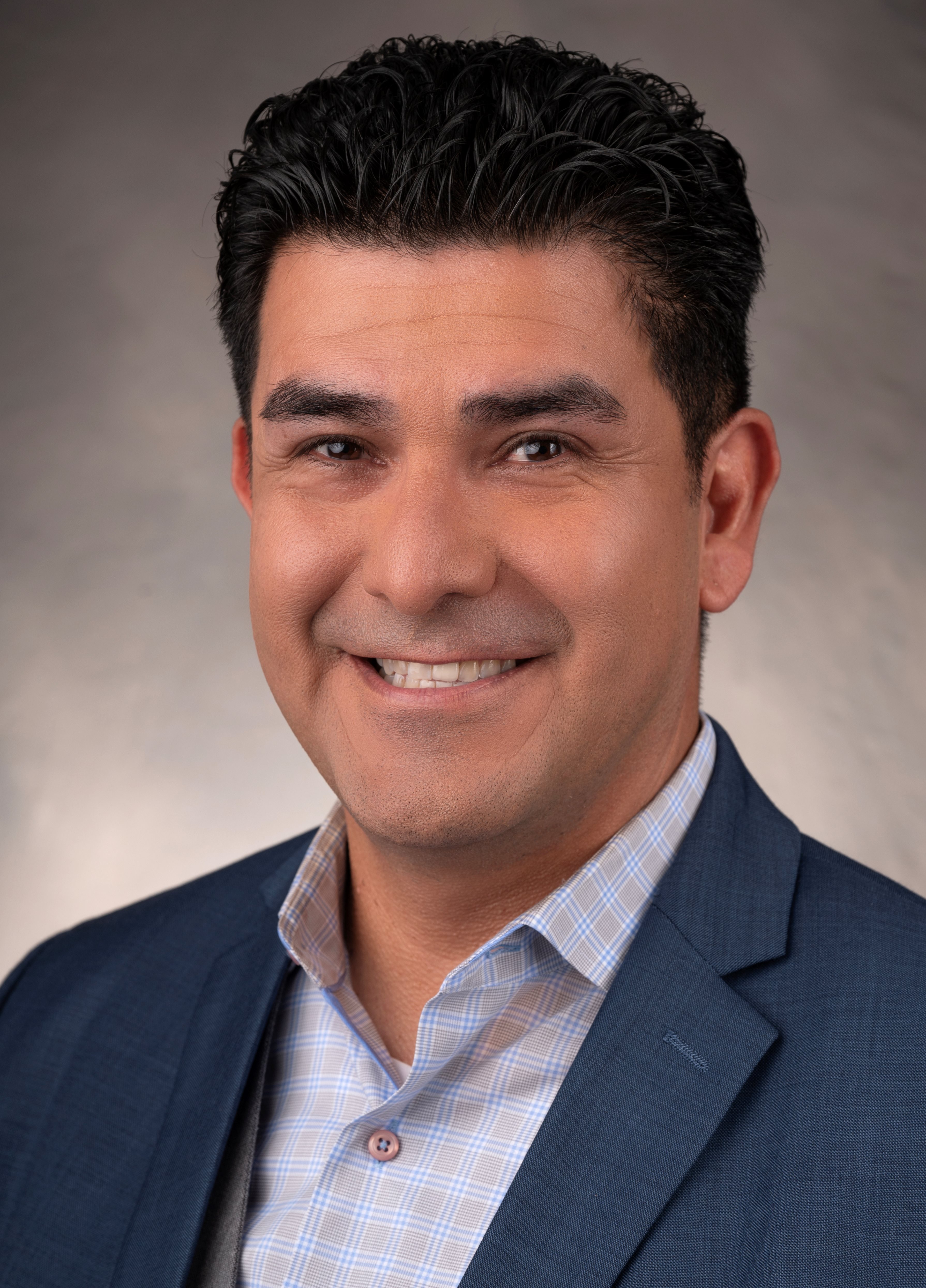
Israel Balderas, assistant professor of journalism, recently appeared on WGHP’s “Swing State” to discuss the 2026 midterm election, and the political landscape nationally and in North Carolina.
“If you look at the national mood right now, I would say Republicans have a plus, if you start looking at states and individual candidates,” Balderas said. “I think while the Democrats, right now, a generic ballot favors the Democrats, you’re going to have to see candidate by candidate. Is the candidate likable? Is the candidate recognizable? And then you start looking at district (by) district, state by state.”
Much of the conversation focused on North Carolina being a competitive state in the 2026 midterm election. They discussed the North Carolina U.S. Senate Race between former Democratic Gov. Roy Cooper and Republican Michael Whatley, including a recent Elon University Poll about the race. In this new poll, 84% of registered voters said they had heard “a great deal” (55%) or “some” (29%) about Cooper, who was North Carolina governor from 2017 to 2025 and previously served 16 years as the state’s attorney general. In comparison, 53% said they had heard “a great deal” (17%) or “some” (36%) about Whatley
“(Cooper) has a problem, he needs to reach more members of the center-to-center-right,” said Balderas. “When it comes to Whatley, Whatley is not recognized. Even in his hometown of Gastonia, he’s not very well known. Which means he has an ability to gain more voters. But Whatley is a DC guy. He was an RNC chairman and the attack leading up to the election is going be another Washington insider.”
The discussion also focused on the war in Iran and its economic consequences, and how it could affect voters’ concerns about inflation, affordability and the economy.
Watch the full discussion on WGHP.