


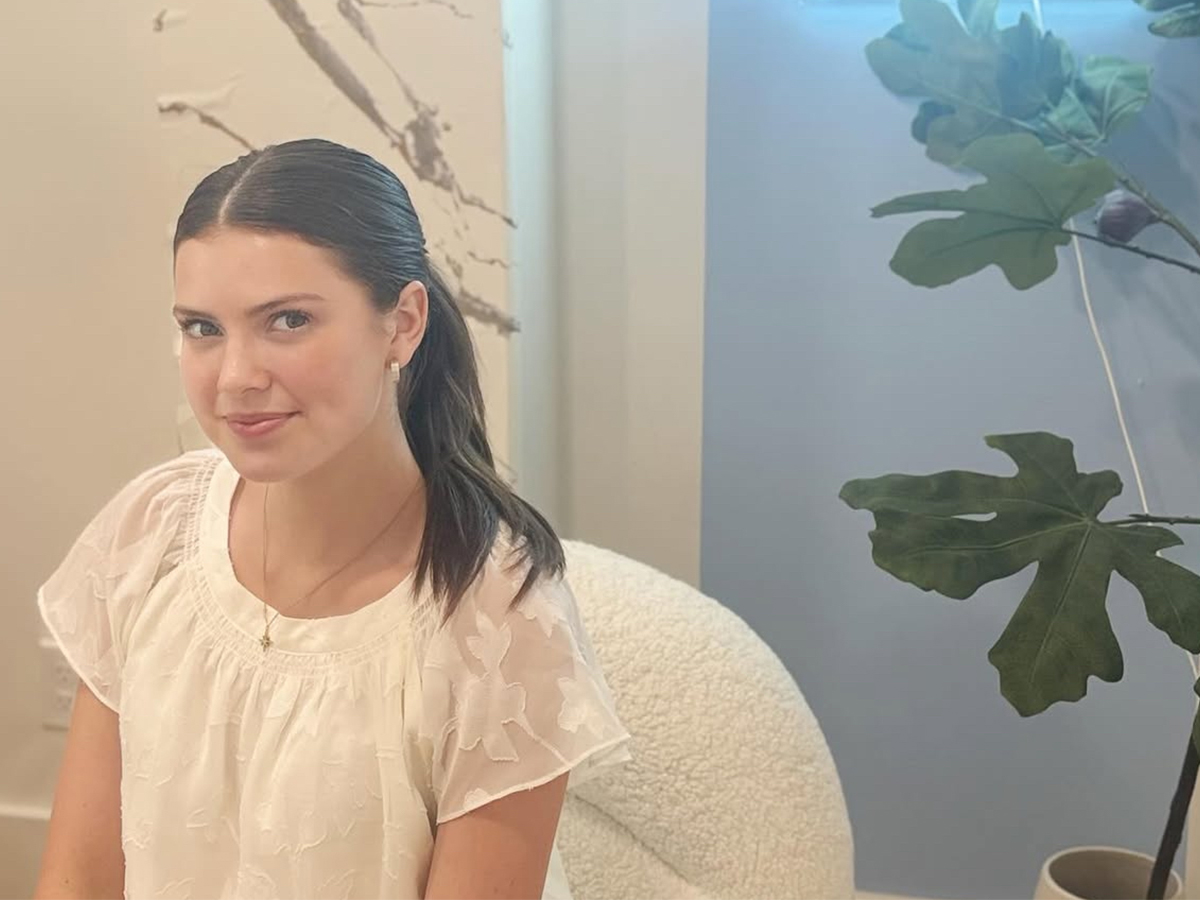
When the senior dance science major from Texas encountered obstacles in pursuit of an internship in dance/movement therapy, she took matters into her own hands.
Averly Burns ’26 was determined to align her summer work with her career goals in dance/movement therapy – even when the internships she had found advertised in the Dallas region were reserved for graduate students and licensed professionals.
So the dance science major from Murphy, Texas, decided to get creative.
Instead of surrendering her ambitions, Burns developed the idea for a somatic movement class that she could provide counseling centers to emphasize mindfulness and holistic healing. She soon discovered Sauna Therapy, a post-traumatic stress disorder and trauma-focused counseling center in Dallas.
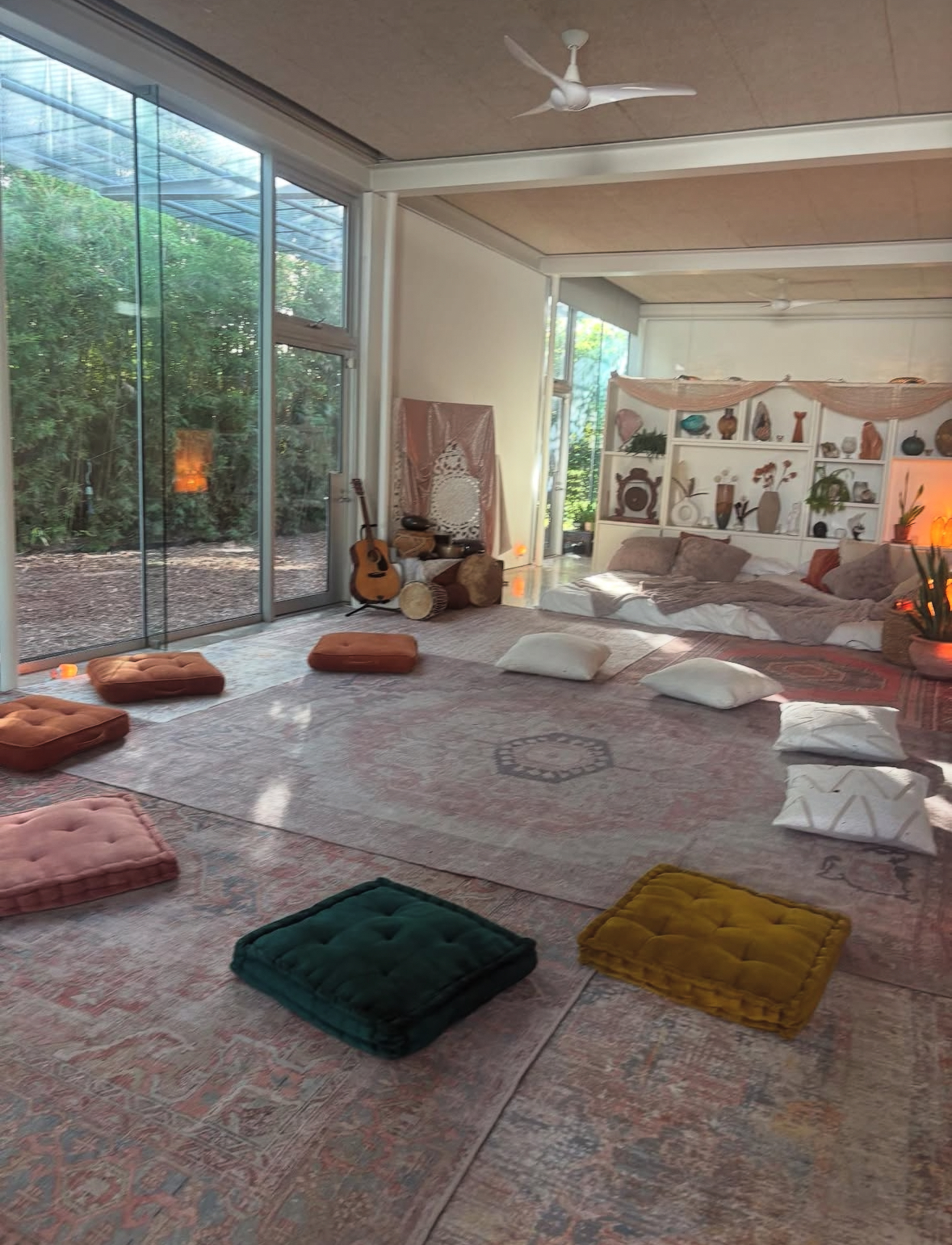
“After hearing about my idea and background, the owner was open to exploring what this unique opportunity might look like,” Burns said. “I created a formal proposal and pitched the class. It turned out she was a dancer, too, and had always dreamed of offering somatic movement, and she decided to give me a chance.”
Burns can now add a new role on her resume: Dance and wellness summer intern at Sauna Therapy.
Working alongside owner Paige Swanson, Burns co-developed the curriculum for a six-week somatic movement class. Burns then co-facilitated the class by leading the movement portion, while Swanson guided the therapeutic processing.
Somatic movement is a body-based practice that supports emotional healing through intentional movement, sensory awareness and nervous system regulation. It helps guide people back to a regulated state by allowing the body to complete stress cycles in a safe, supported environment.
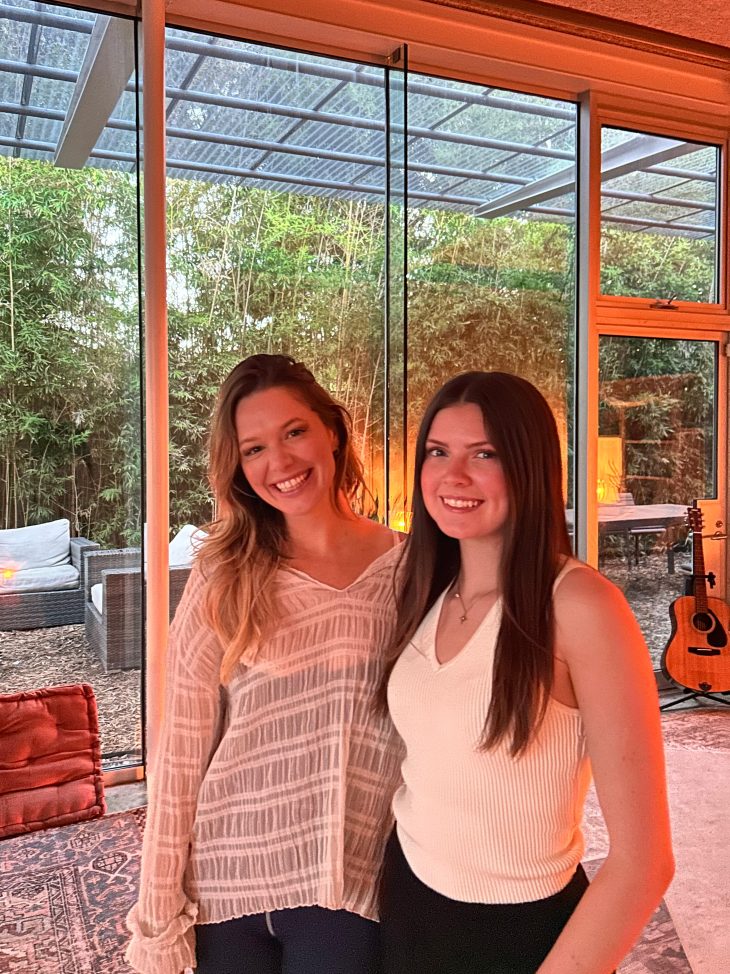
The class was grounded in the principles of interpersonal neurobiology that integrate neuroscience, psychology and mindfulness.
Burns co-facilitated somatic movement classes which were therapy-inspired and supported by her coursework. This included the process of helping clients shift in and out of hyper- or hypo-aroused states by guiding the movement practices, while Swanson supported the therapeutic processing. Classes ended with journaling and a verbal debrief to support reflection and cognitive integration.
Drawing from courses such as physiology, biomechanics, and behavioral neuroscience, as well as studies of somatic theories with Professor Lauren Kearns, Elon University’s Maude Sharpe Powell Professor, Burns said she understands that mindful movement can serve as a tool for neural integration, emotional regulation and narrative processing.
“The feedback I have received from clients has been incredibly moving,” Burns said. “Many have described these classes as a rare and sacred opportunity to slow down, reconnect with themselves and release emotions held in the body. This work is reminding people that healing does not always come through words — it can emerge gently, through breath, rhythm and presence. Their feedback is a powerful reminder of why this work matters.”
Kearns has taught Burns since her first year at Elon and serves as her academic advisor and research mentor.
“Averly is a dedicated student, eager to progress, intellectually curious and passionate about her dance movement therapy career path,” Kearns said. “She is very grounded and brings a sophisticated body-mind connection to her work. I have seen her skills and understanding evolve over the course of her time at Elon and she is poised to enter graduate school with excellent undergraduate research and internship experience.”
Burns’ interest in dance movement therapy began in high school when a contemporary dance class introduced her to therapeutic movement practices. After years of planning to pursue musical theater, she realized dance could be used not just to perform, but to heal.
“I gained a deeper understanding of psychology and neuroscience concepts that inform my approach to movement practices,” Burns said. “I’ve also gained valuable experience structuring and building somatic movement classes to support wellness, mindfulness and self-regulation goals, while becoming more confident in my facilitation skills. Sauna Therapy has invited me back to lead somatic movement classes at a wellness retreat, and I’ve solidified my interest in counseling and dance movement therapy at the graduate level.”
On campus, Burns is in the process of starting a new student organization dedicated to exploring the intersections of dance and science. She is also in the process of co-founding a nonprofit in Dallas, Texas, The Art of Coping, with her sister, Ashton, which will provide art and movement therapy-inspired tools to help at-risk youth and teenagers cope with trauma.
“I have always wanted to make the most of my time at Elon, and I truly feel like I am doing that,” Burns said. “My experience helped me realize how deeply I care about creating spaces where people feel safe in their bodies and emotions. Through research, leadership, performance and somatic work, I have learned how powerful movement can be in healing and connection.”