


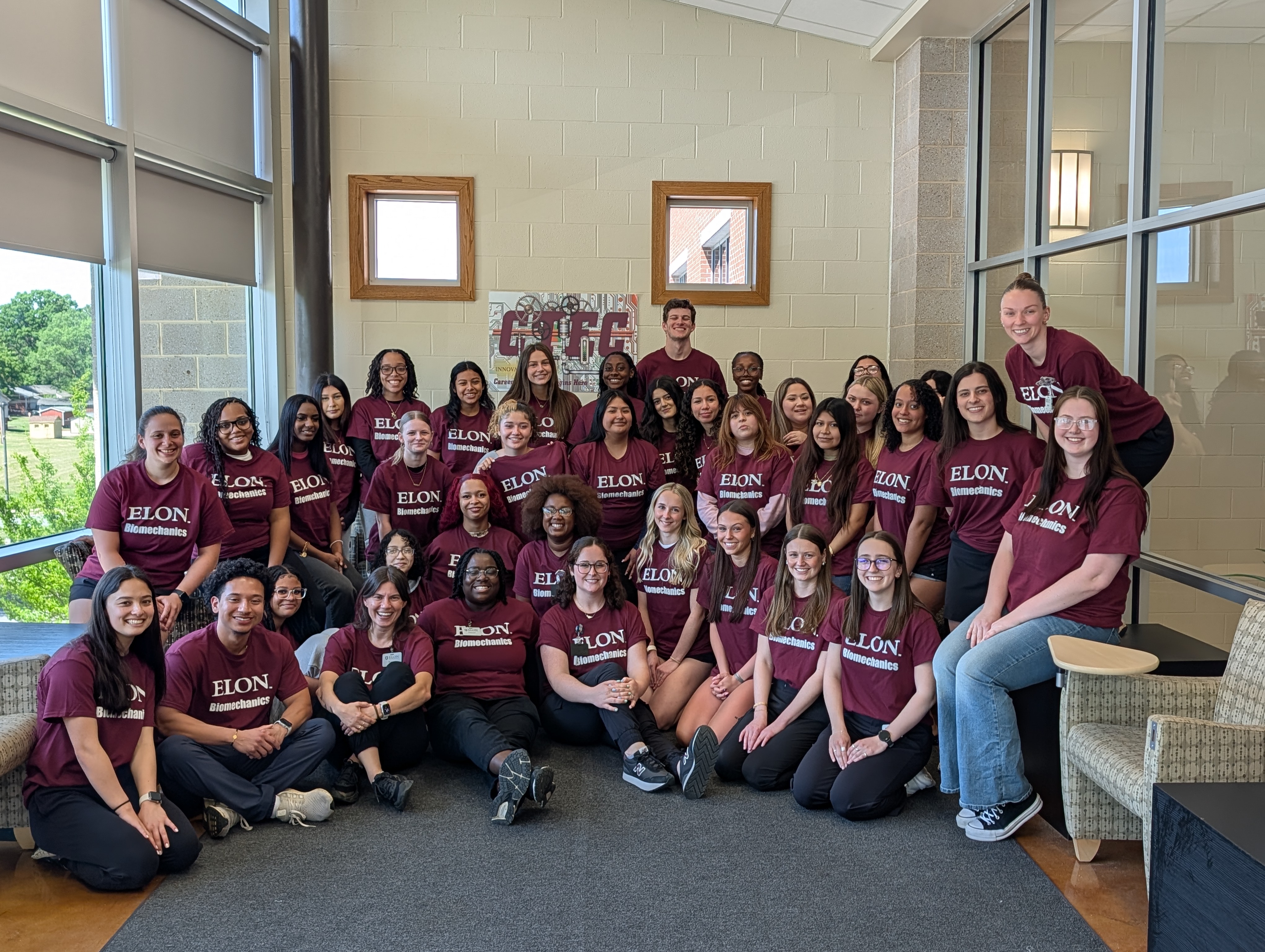
Students and faculty from Departments of Exercise Science, Performing Arts and Physical Therapy Education collaborated with ABSS CTEC to Celebrate Elon's 10th National Biomechanics Day at CTEC campus.
On Wednesday, April 15, students from Elon University visited the ABSS Career and Technical Education Center to teach local high school students and faculty about biomechanics through interactive, hands-on activities led by faculty and students across multiple departments.
More than 50 students and several teachers from ABSS CTEC Burlington joined Elon’s Doctor of Physical Therapy Program, Department of Exercise Science and Performing Arts to celebrate National Biomechanics Day, an annual global event held since 2016. All of the CTEC students were on the health science track, making the experience an opportunity to connect their academic interests with potential future pathways.
Students rotated through six stations focused on different aspects of biomechanics, each designed to highlight both fundamental concepts and practical applications.
At the static balance station, participants completed variations of the Balance Error Scoring System (BESS), testing their ability to maintain stability in double-leg, single-leg and tandem stances on both firm and foam surfaces. The neuromotor station focused on coordination and motor learning through activities like mirror tracing, maze completion and target-based drawing tasks. At the strength station, students measured grip strength using handheld dynamometers and observed muscle activation through electromyography (EMG).
Movement was further explored at the tandem gait station, where students walked heel-to-toe along a straight line. As they progressed from forward to backwards walking and added cognitive challenges like counting or spelling backwards, the tasks became increasingly difficult. At the jump station, participants measured their vertical and horizontal jumping ability, learning how lower-body power is assessed in sports and exercise settings. The final station challenged students to think like engineers. Using simple materials, groups built functional models of an elbow joint, aiming to replicate natural movement. The activity highlighted the relationship between biomechanics and design, with connections to prosthetics and rehabilitation technology.
Faculty from exercise science, performing arts and physical therapy, along with student volunteers, led the stations and guided discussions throughout the day. Their involvement created a collaborative environment where participants could ask questions, test ideas and explore new interests.
By the end of the event, students were left with a deeper understanding of how biomechanics applies to everyday movement, health, and performance; as well as a clearer picture of how those interests could shape their future.
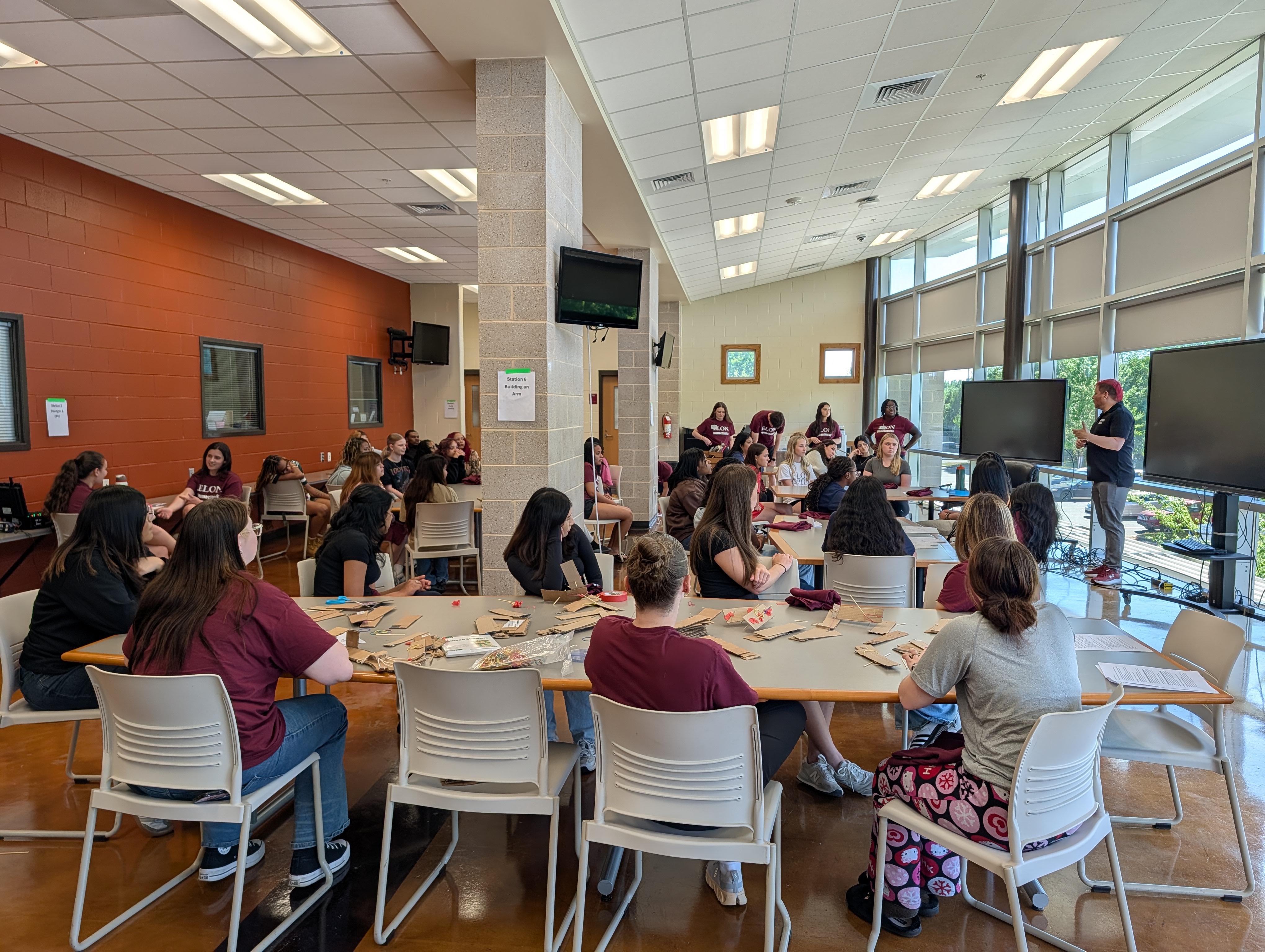
Overview of the wrap-up session
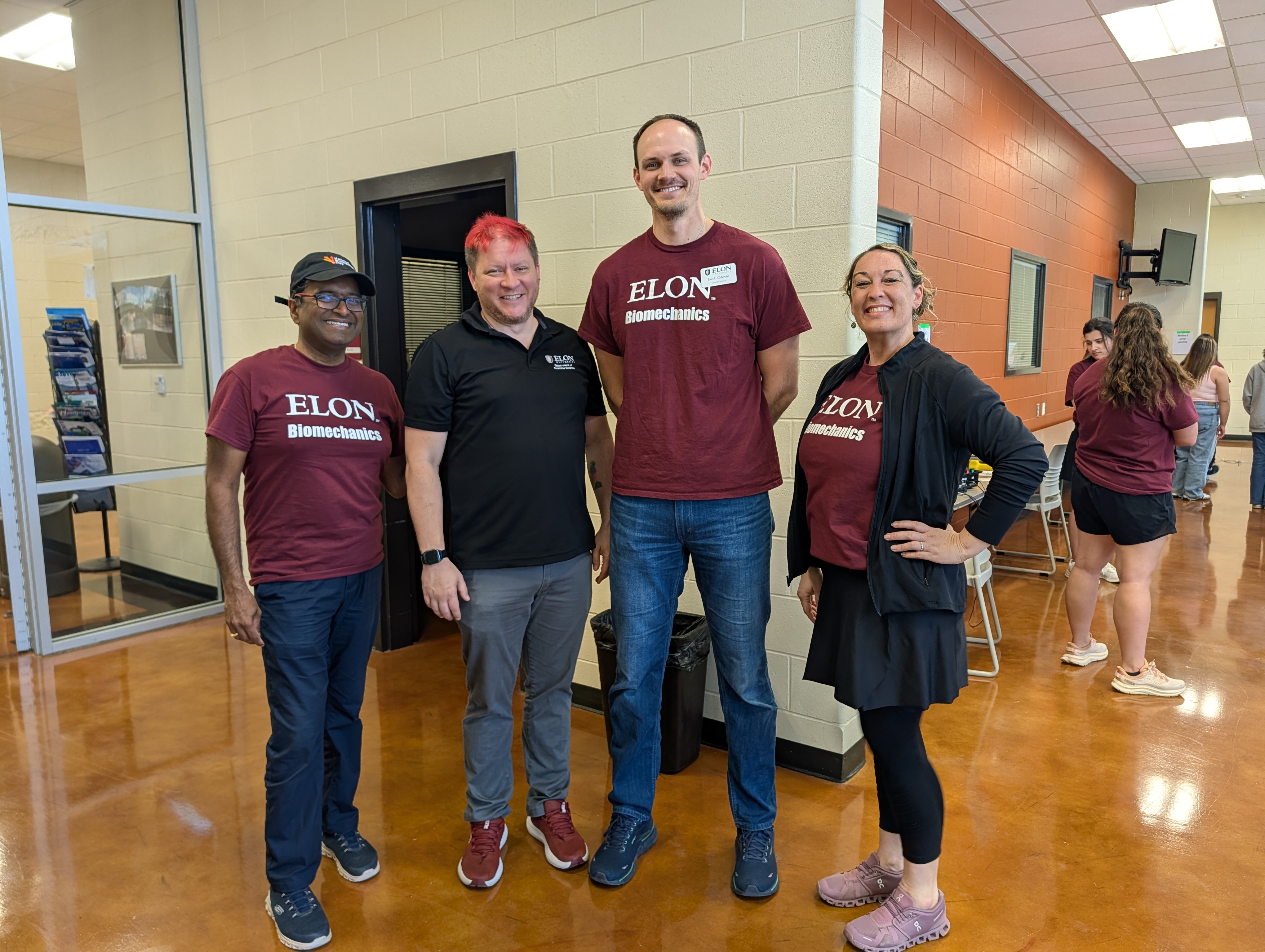
(from right to left) Jen Guy Metcalf (faculty in Performing Arts), Jacob Gdovin (faculty in Exercise Science), Matt Wittstein (faculty in Exercise Science), Srikant Vallabhajosula (faculty in Physical Therapy Education)
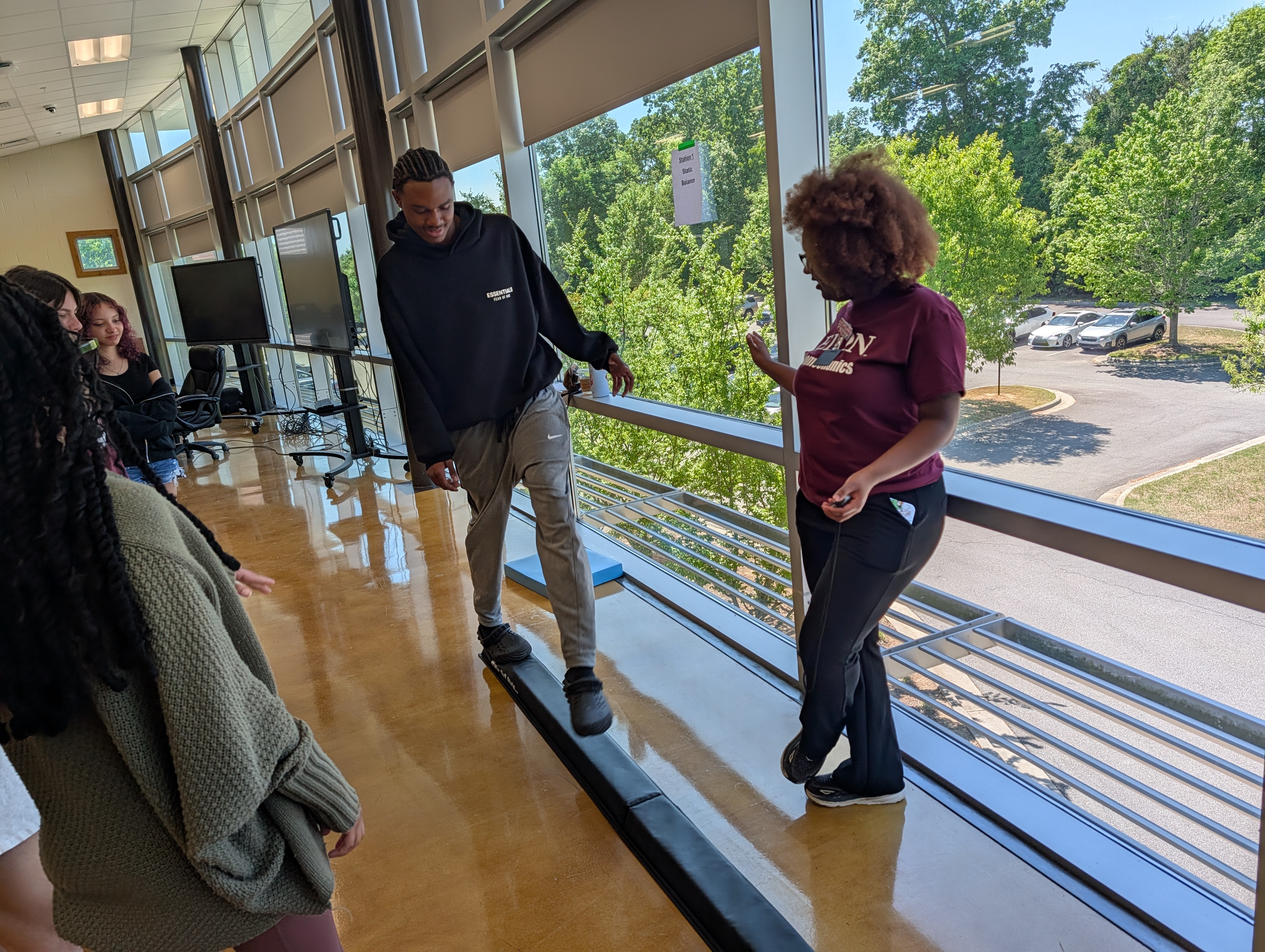
Walking on a balance beam
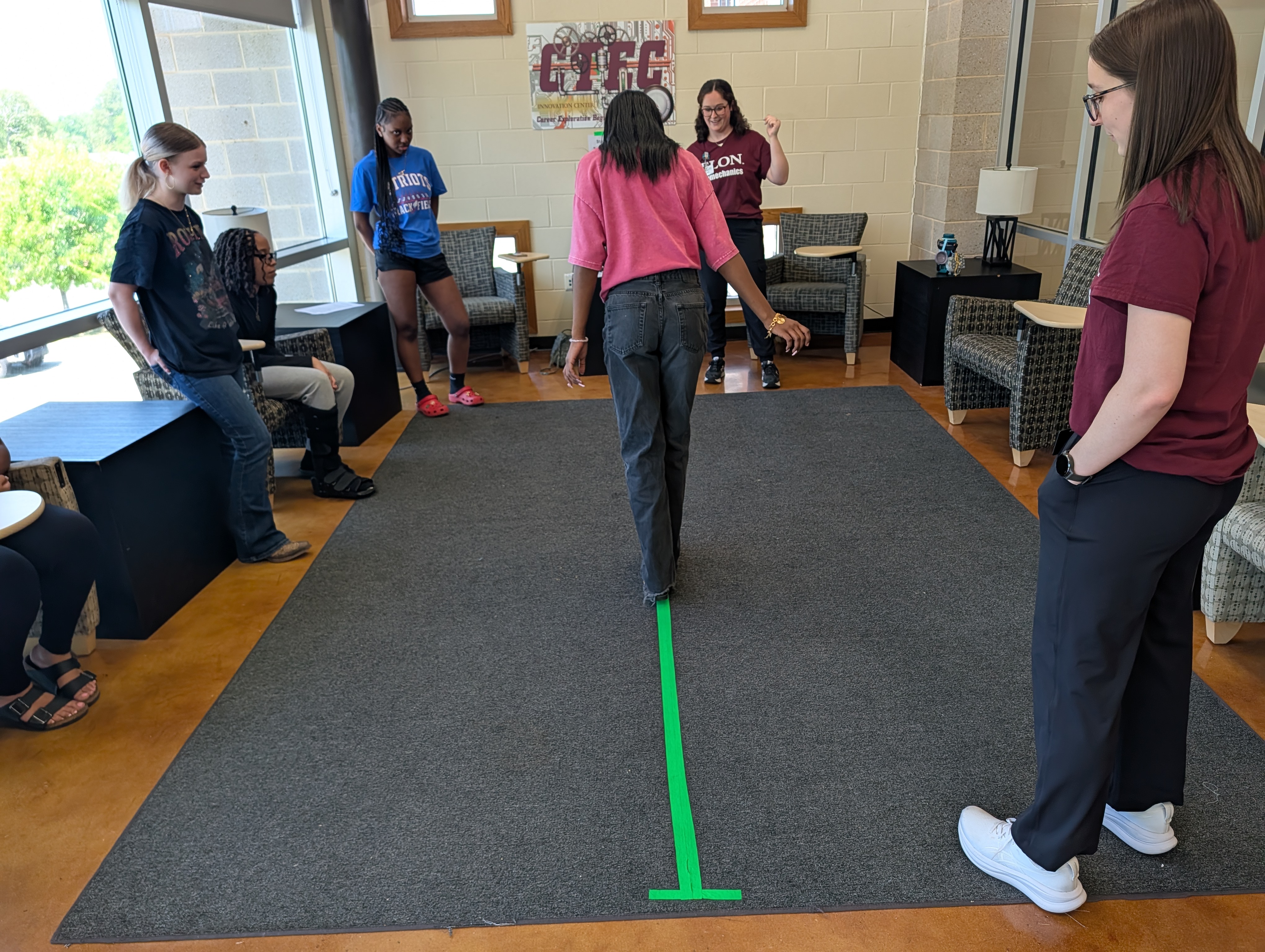
Tandem walk station
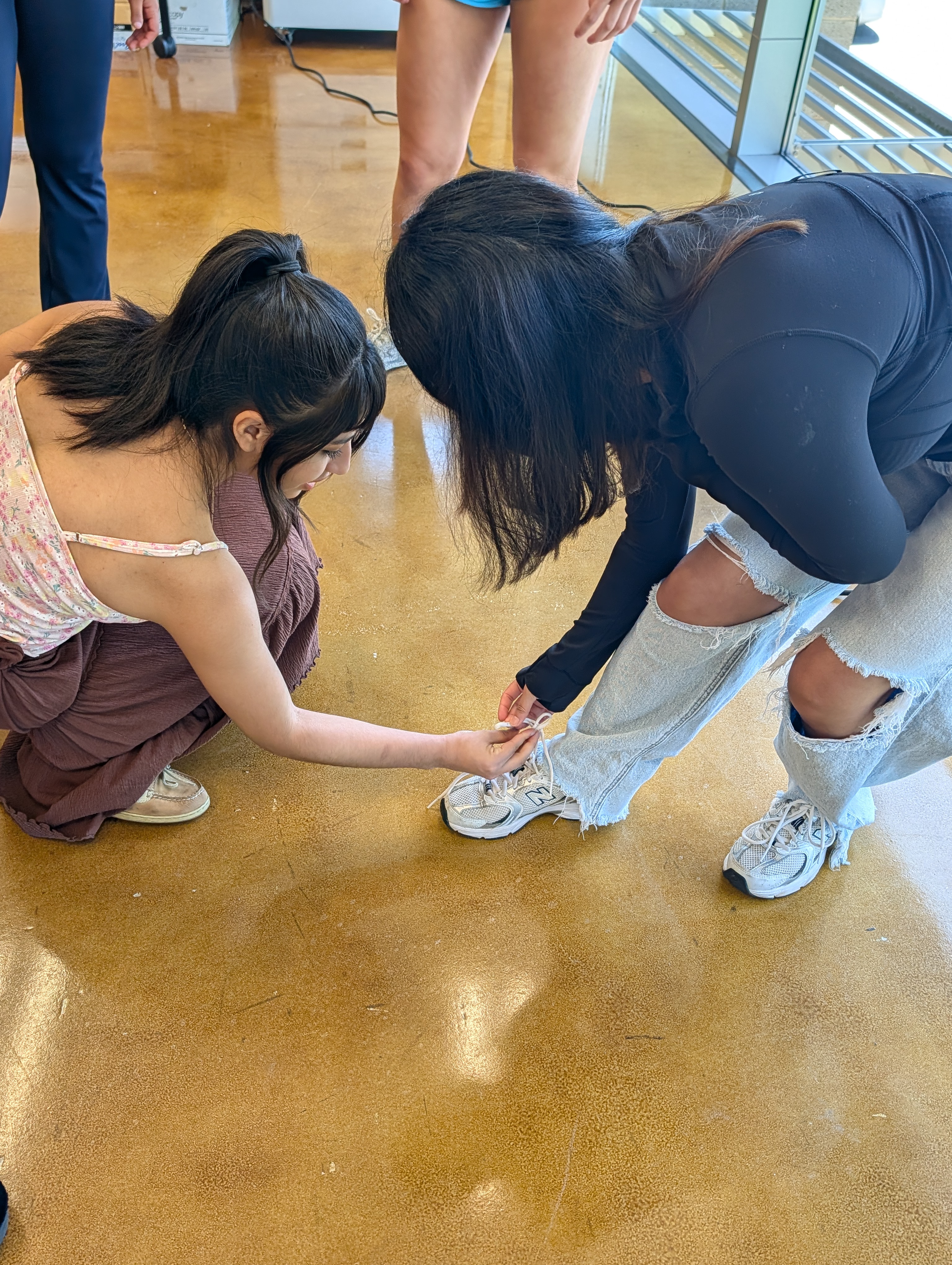
Students learning motor control associated with tying a shoe lace working in coordination with another individual
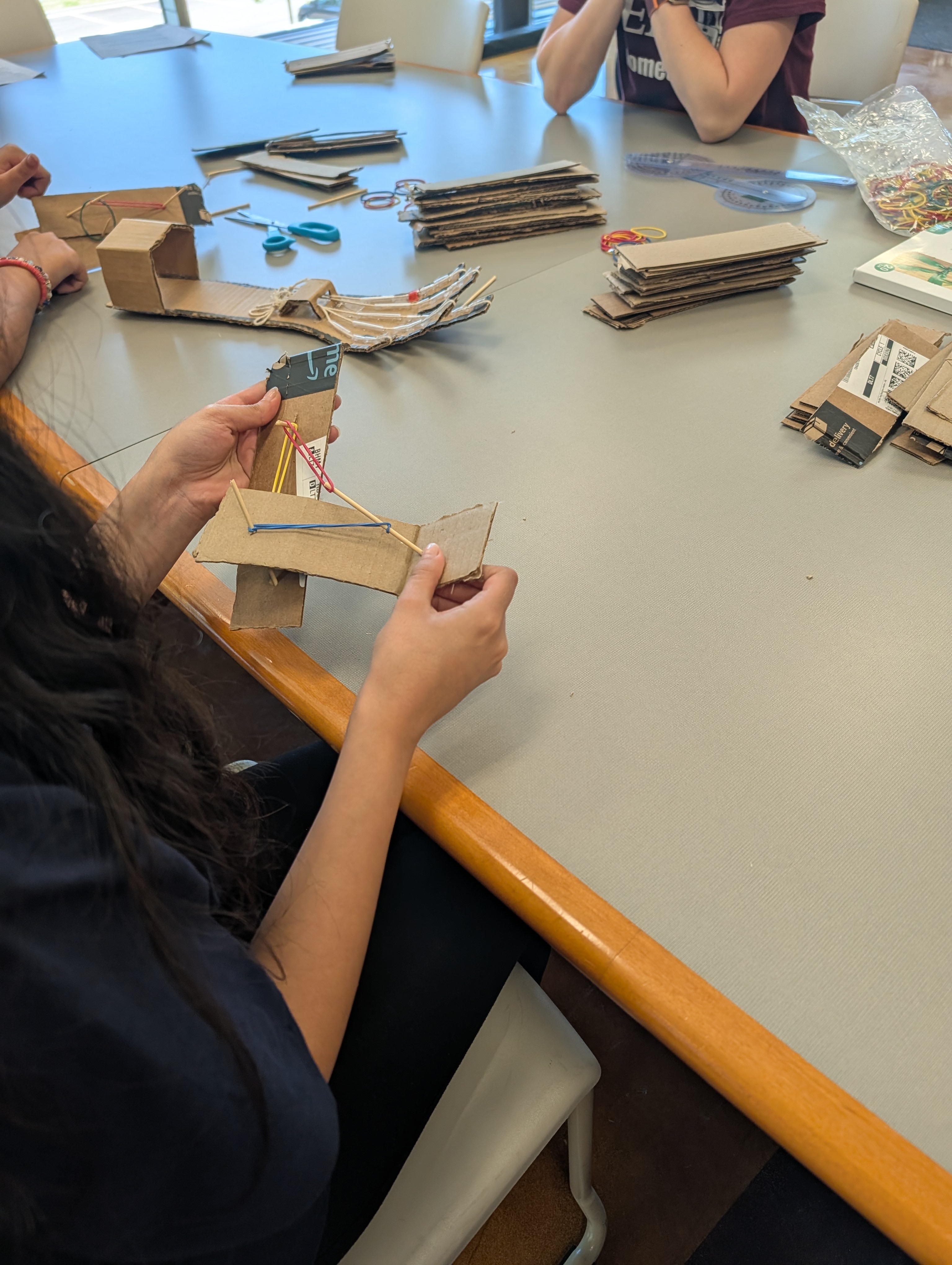
Student making a model of the arm with muscles and ligaments
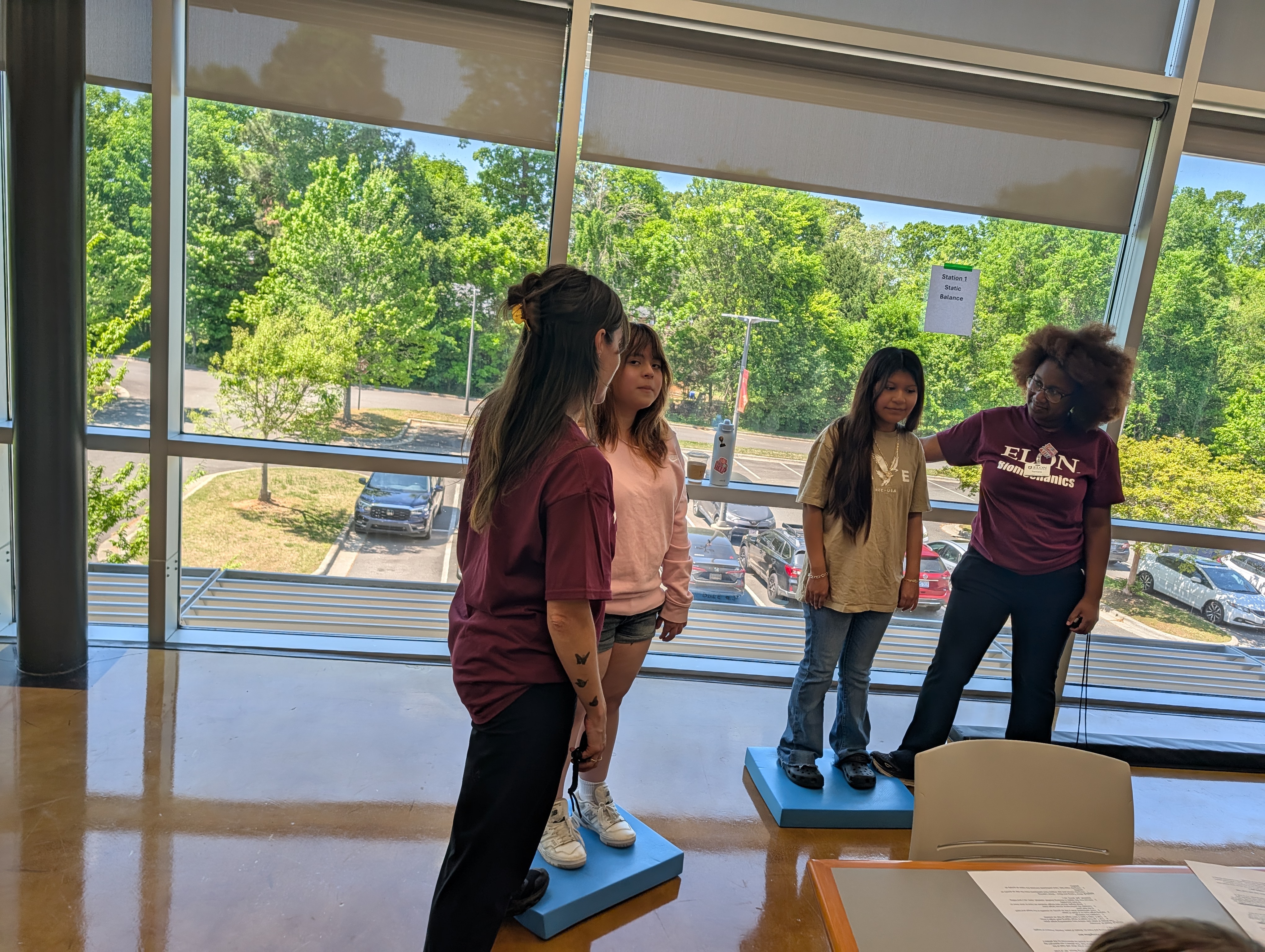
Students learning about balance at the Static Balance Station
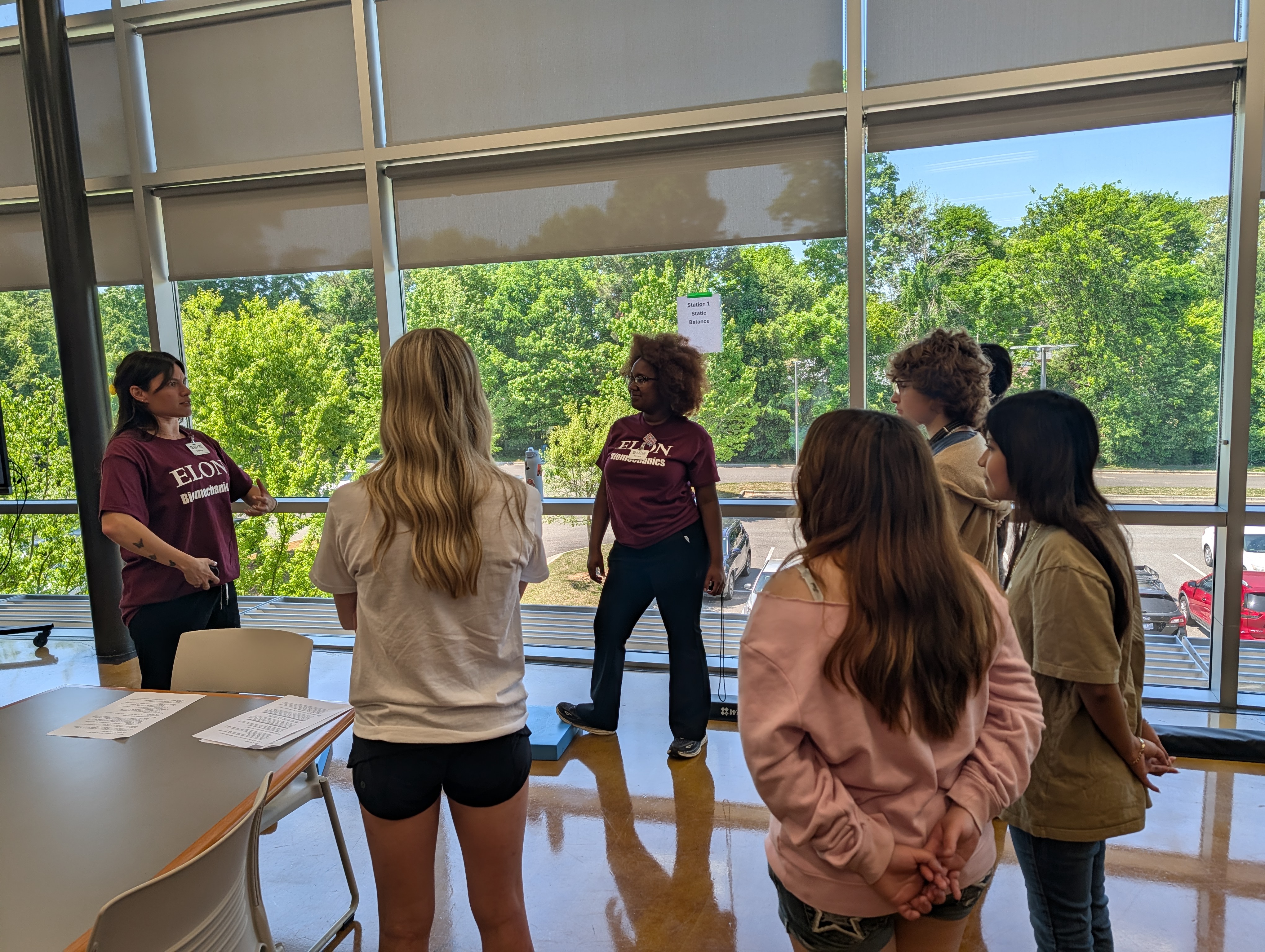
Students learning about balance in dance positions
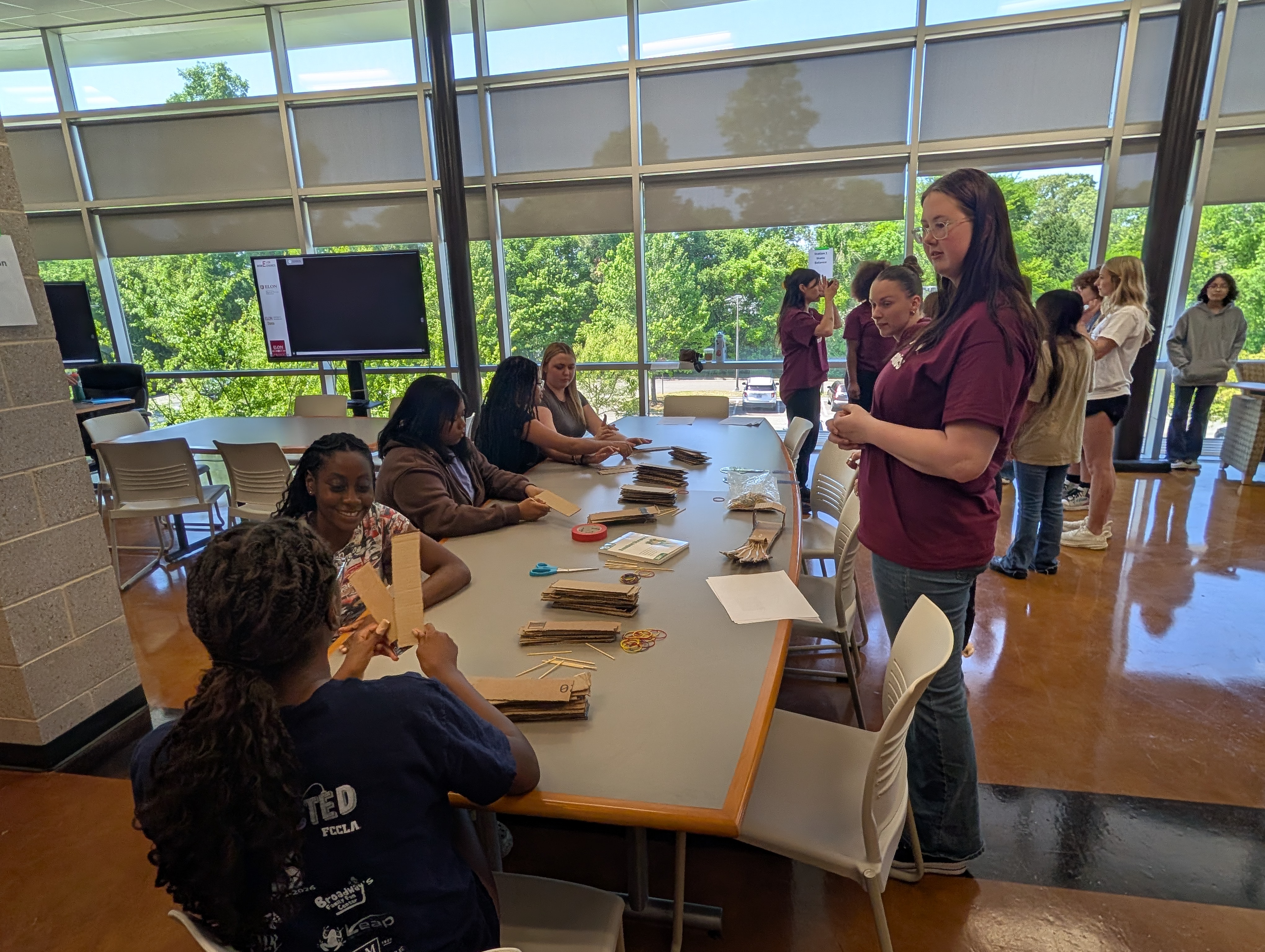
Students learning about how to build an arm model
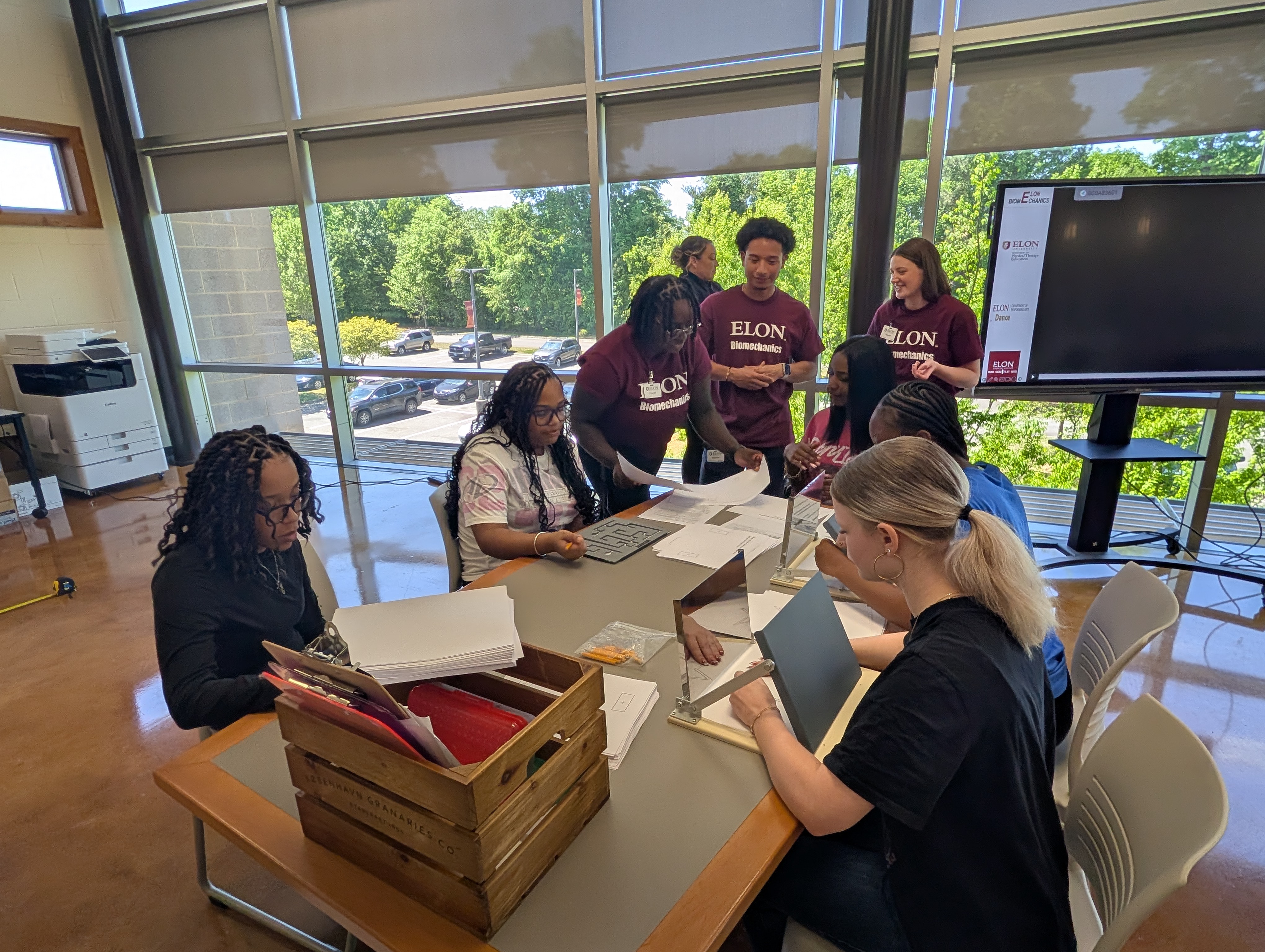
Students learning about neuromotor control
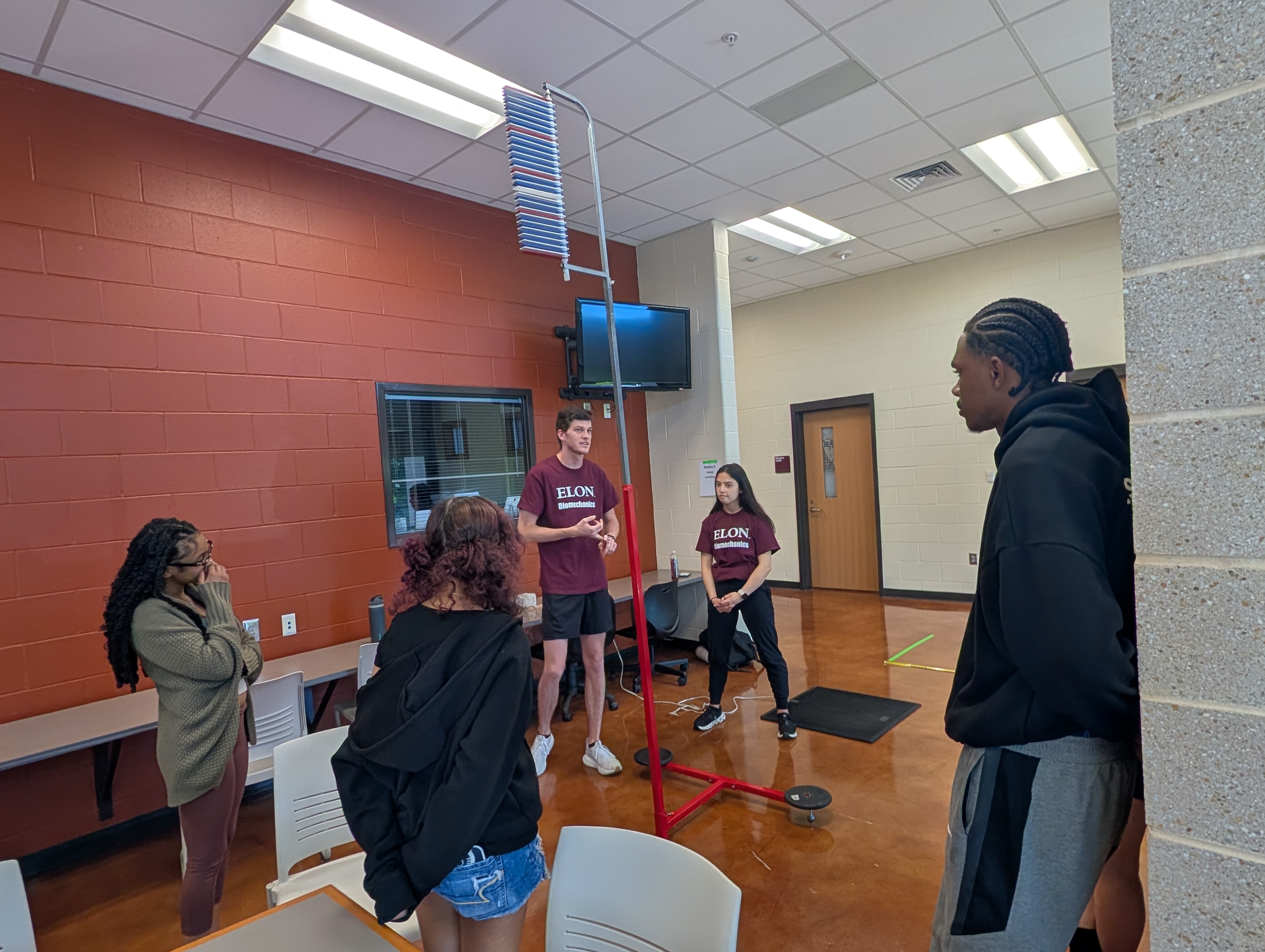
Students learning about biomechanics of vertical and horizontal jumps
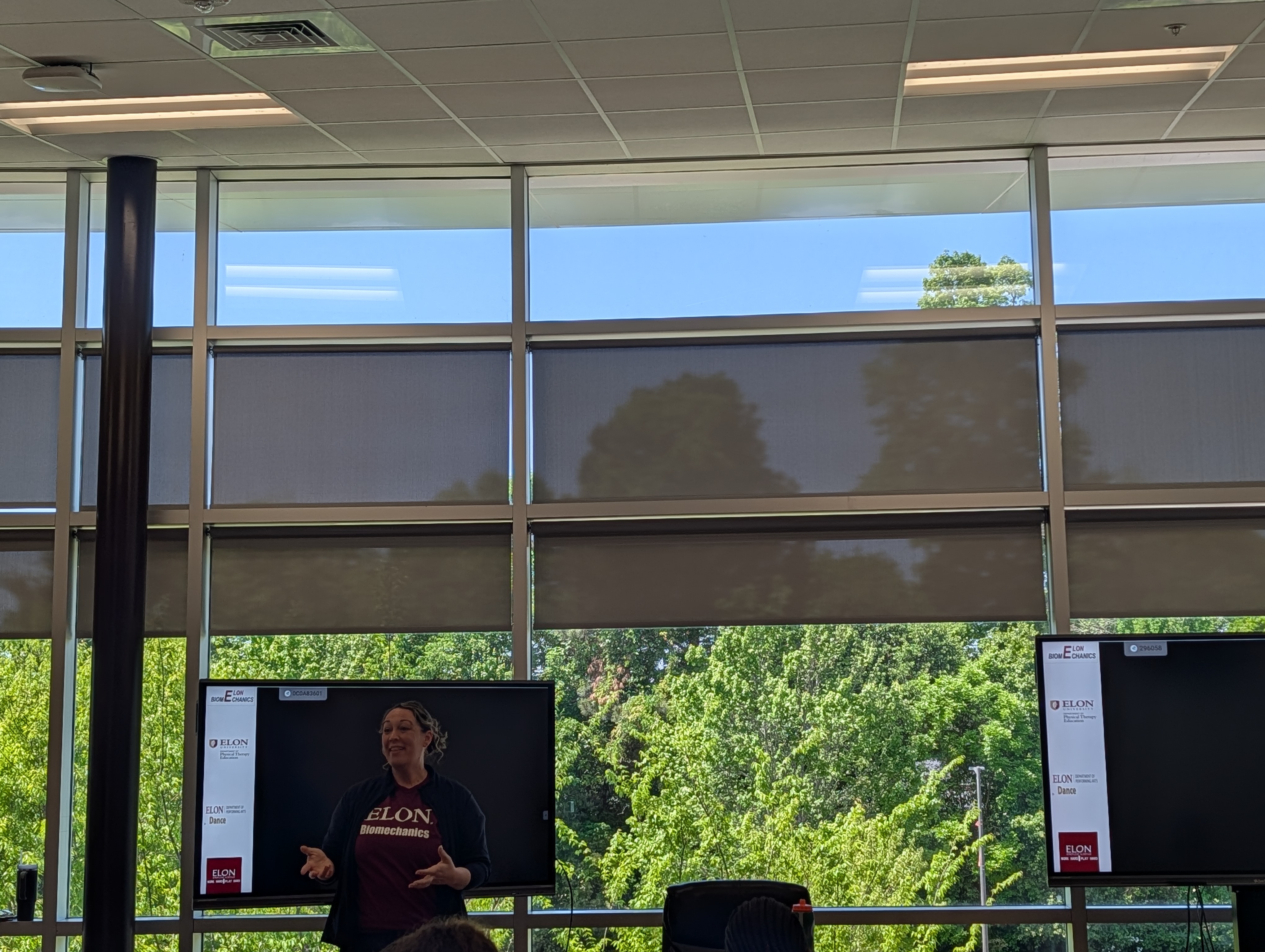
Prof Guy introducing NBD to CTEC students
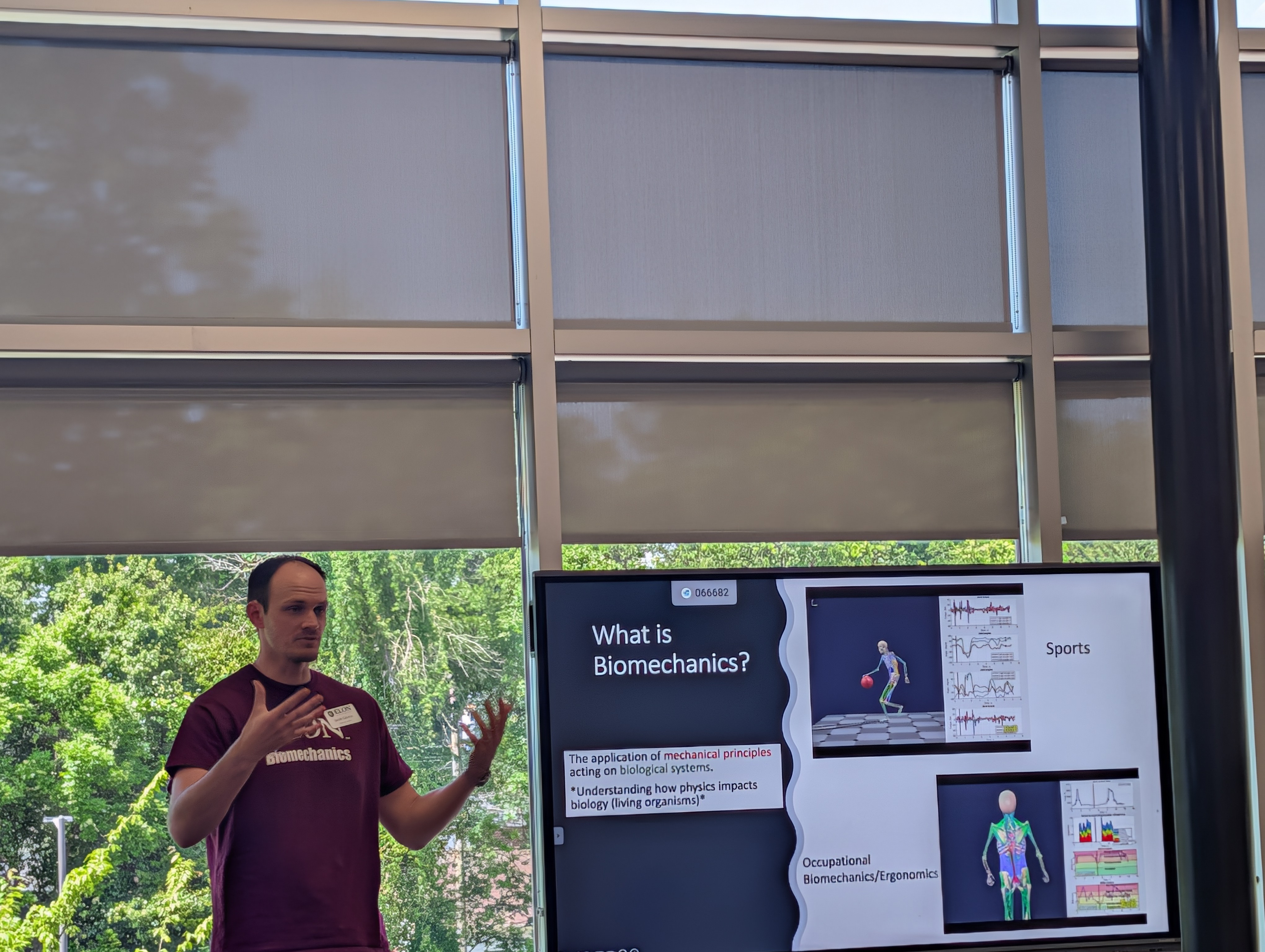
Jacob Gdovin orienting students to the field of biomechanics
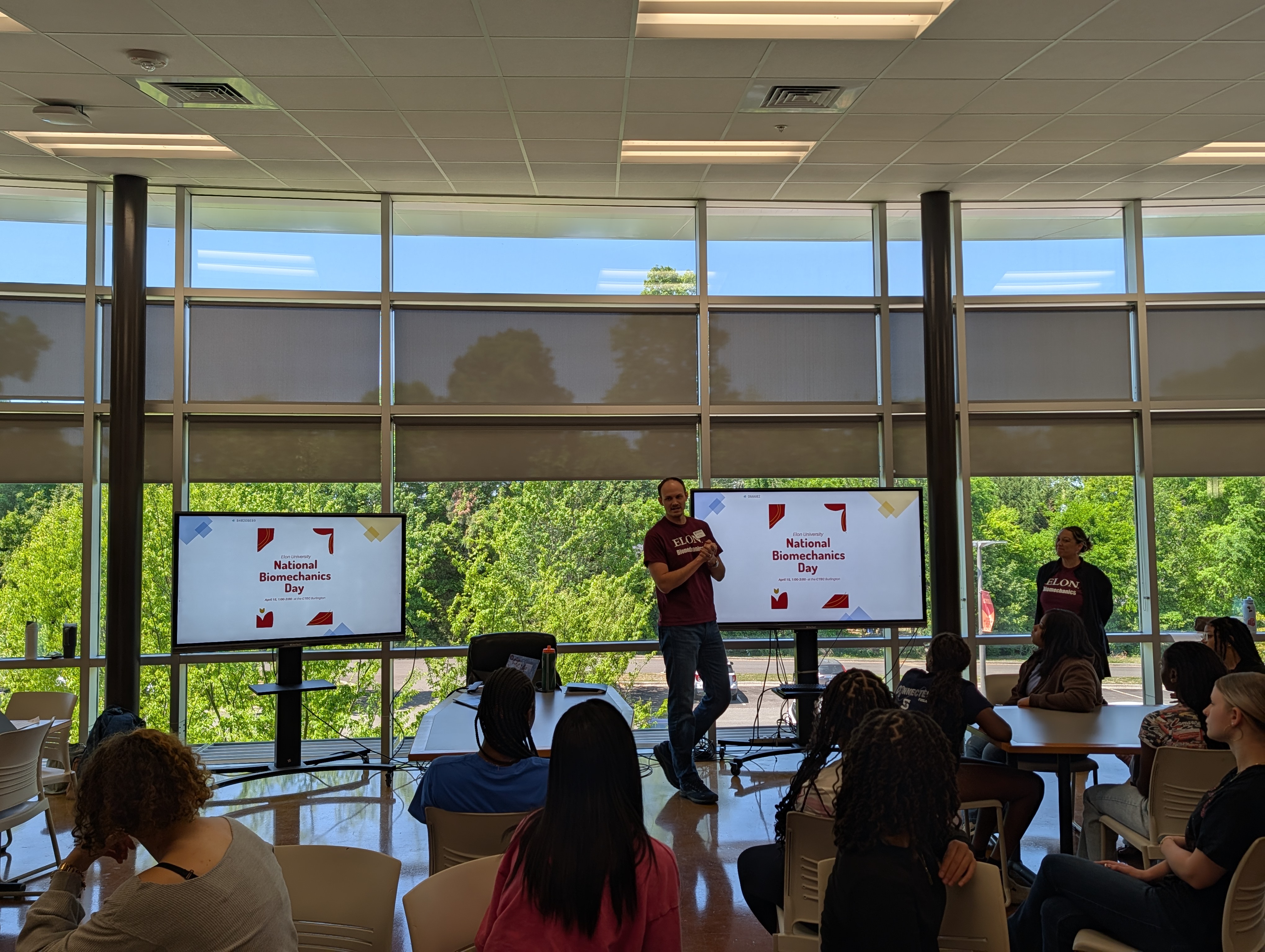
Students sit together in the Career and Technical Education Center (CTEC) , listening as the day’s activities are introduced before breaking into smaller groups