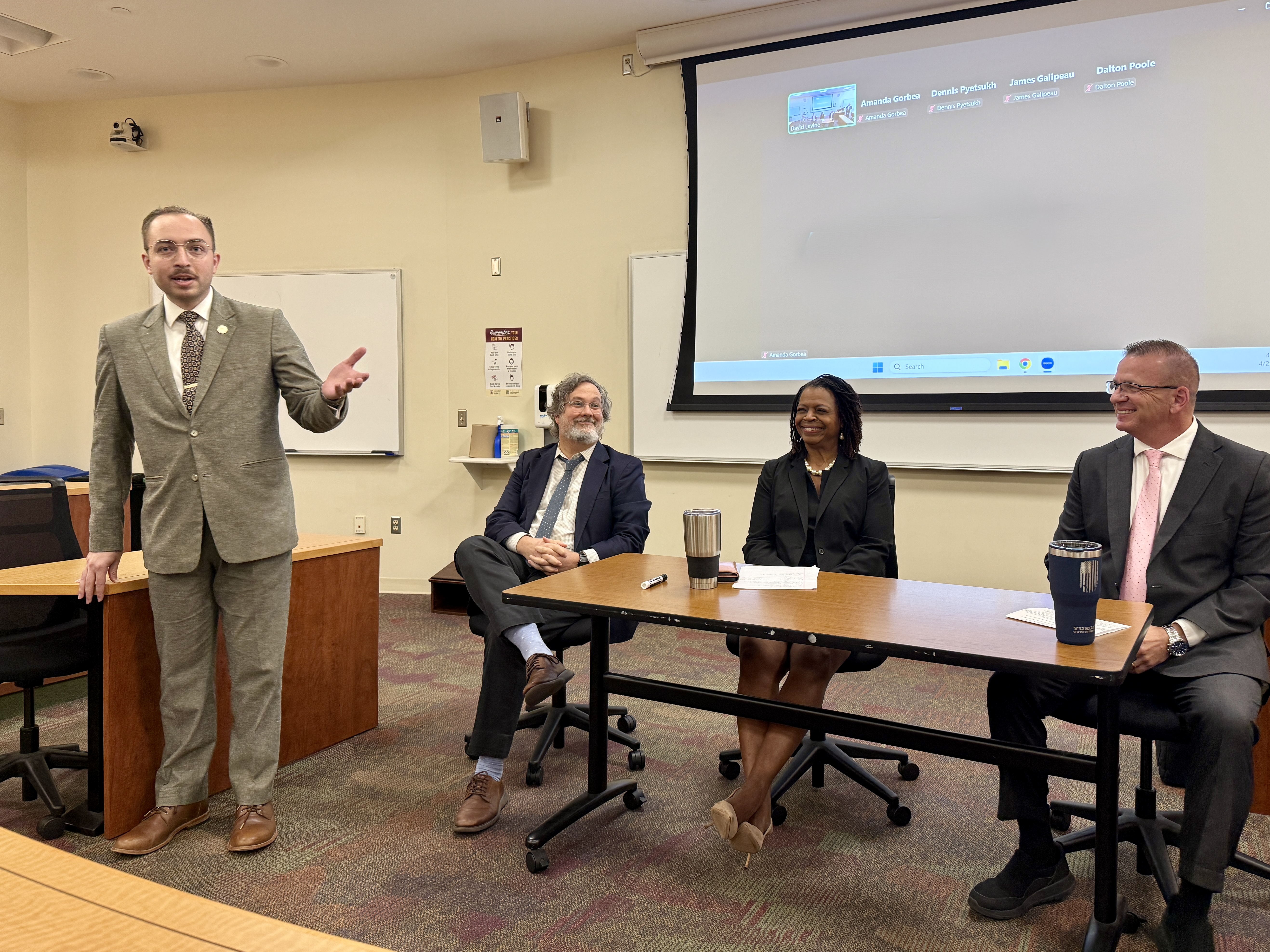
We the People: Elon Law’s Constitutional Journal hosted an event featuring discussion among Elon Law faculty, including former Chief Justice of the N.C. Supreme Court Cheri Beasley, Supreme Court Justice Phil Berger Jr., and Professor Enrique Armijo
At a moment when court decisions are dissected, debated and often cheered or criticized along partisan lines, a panel of Elon Law faculty and jurists convened to discuss a fundamental question: How should judges reach their decisions?
Elon Law students and faculty gathered for “Judicial Interpretation and Review Under the United States Constitution,” hosted by We the People — Elon Law’s Constitutional Journal.

The program featured retired North Carolina Supreme Court Chief Justice Cheri Beasley, Elon Law’s Sandra Day O’Connor Professor of Law; North Carolina Supreme Court Justice Phil Berger Jr., an adjunct professor at Elon Law; and Professor of Law Enrique Armijo, a constitutional law scholar. Professor of Law David Levine, who also serves as faculty adviser to We the People, moderated.
Their conversation centered on three themes: competing approaches to constitutional interpretation, the growing public and political pressure on courts, and how judges navigate decision-making in practice.
A central focus was the longstanding debate between originalism and the idea of a “living Constitution.”
Berger said he follows a textualist approach grounded in original meaning, cautioning against judges imposing their own will on constitutional interpretation.
“If interpretation relies on will, then the Constitution can mean anything at any time,” Berger said, pointing to the amendment process as the appropriate avenue for change.
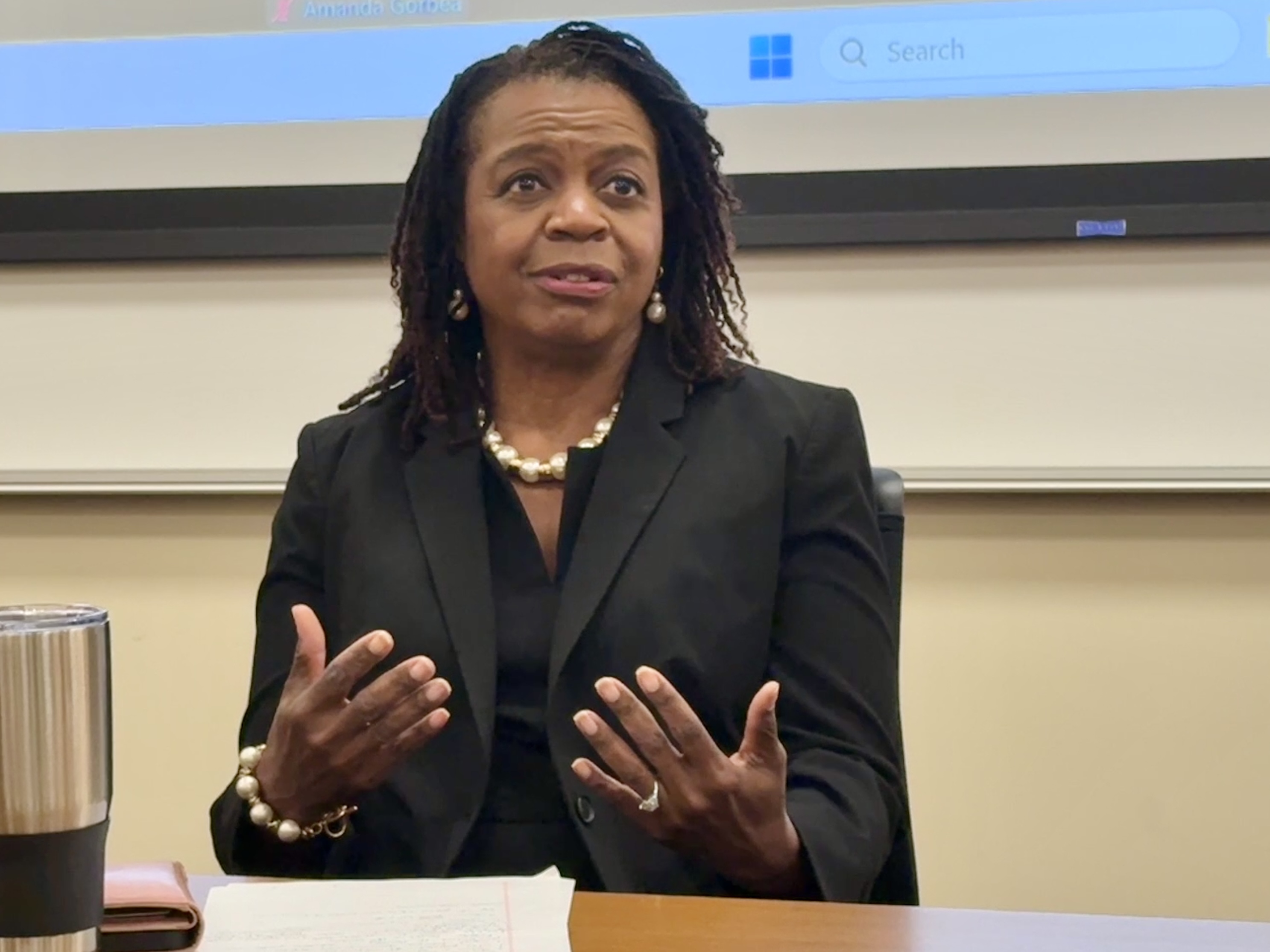
Beasley characterized judicial review and interpretation as a pendulum that swings back and forth throughout American history, and said that the Constitution must function for the country as it exists today. She pointed out that the Founding Fathers wouldn’t have considered her, a Black woman, as deserving of rights – let alone able to serve on the court.
Armijo pointed to processes and landmark cases, like Brown v. Board of Education, as examples where historical meaning did not control modern outcomes. He framed constitutional interpretation as competing theories that provide the “reasons for the reasons” behind judicial decisions.
Panelists also addressed the pressures shaping today’s judiciary.
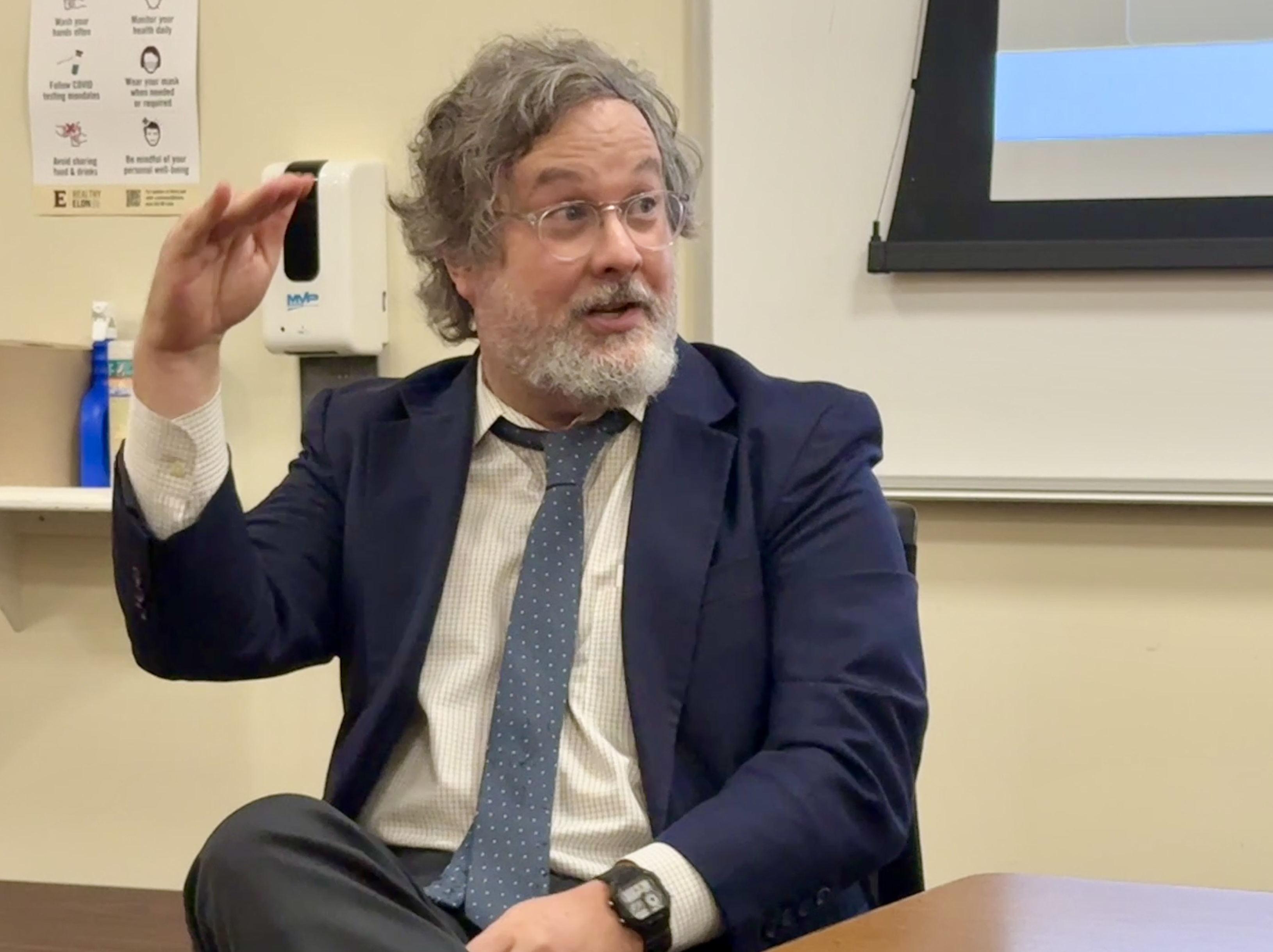
Berger described a “cheerleading” dynamic in which the public focuses more on outcomes than legal reasoning. Beasley pointed to the influence of money in judicial elections and the challenge of balancing transparency with safety, citing concerns about threats against judges. Armijo noted that decisions in high-profile cases have become increasingly predictable in a more politically polarized environment.
“You can often predict how individual (U.S. Supreme Court) justices are going to vote,” Armijo said, adding that partisan politics risks reducing the rule of law to a scoreboard of judicial appointments.
Berger emphasized the importance of consistent methodology, even when outcomes are difficult. Beasley said judges inevitably bring their life and professional experiences to the bench, but are bound to apply the law faithfully, balancing human perspective with legal obligation.
“Is there some level of humanity in decision-making? I believe there is … and I don’t know that that’s a bad thing.”