Follow your question and see where it leads.

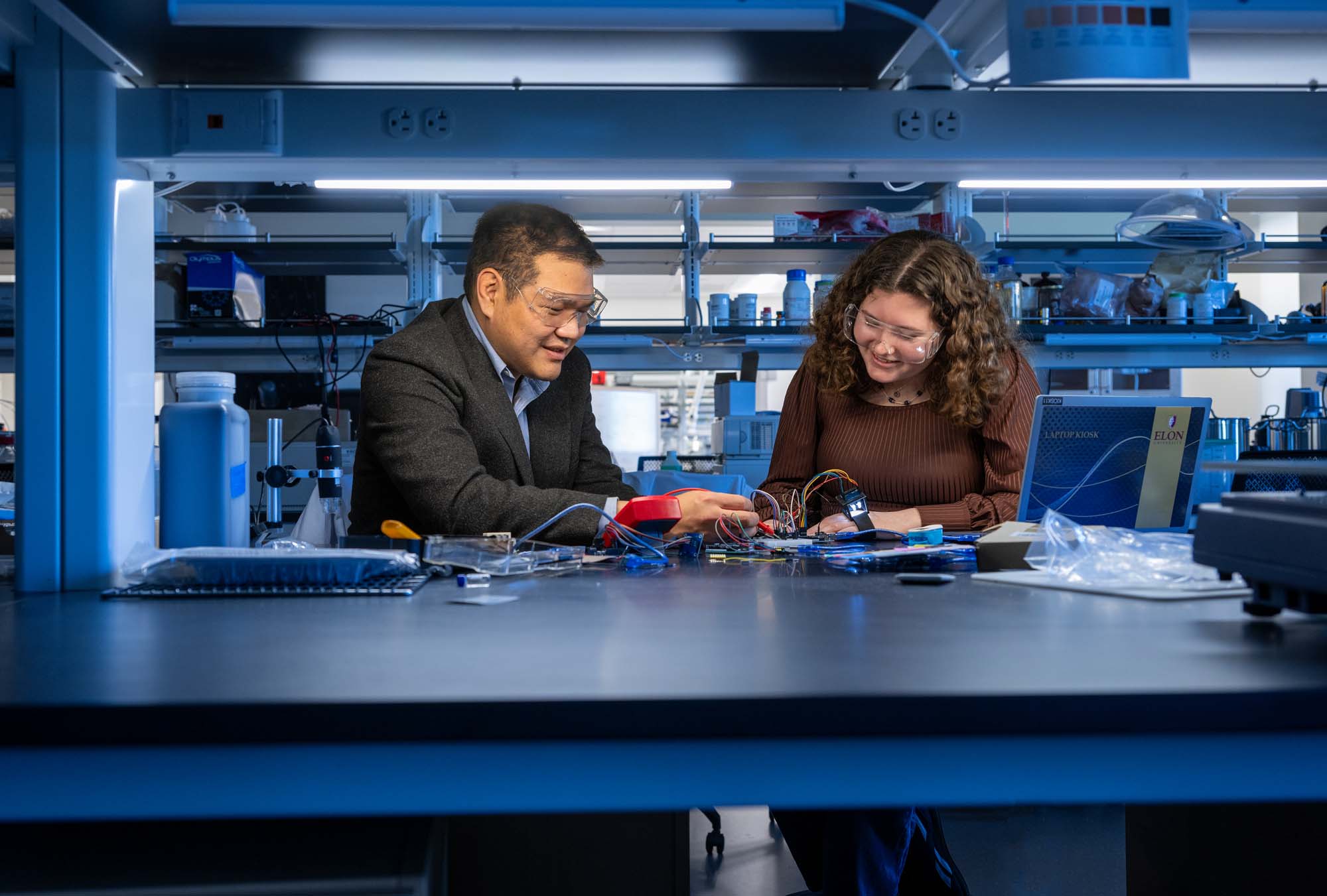
As soon as you declare a major, you can begin exploring a research question. Your adviser can help connect you with a faculty mentor, whether that person teaches one of your courses or conducts research that sparks your interest. Your research doesn’t have to stay within your major. If the question leads you into another field, reach out to a professor working in that area and start a conversation.

What students are researching

You research possibilities are endless, with projects spanning applied design, data analysis and emerging technologies. Recent student projects include:

Sustainable Solutions

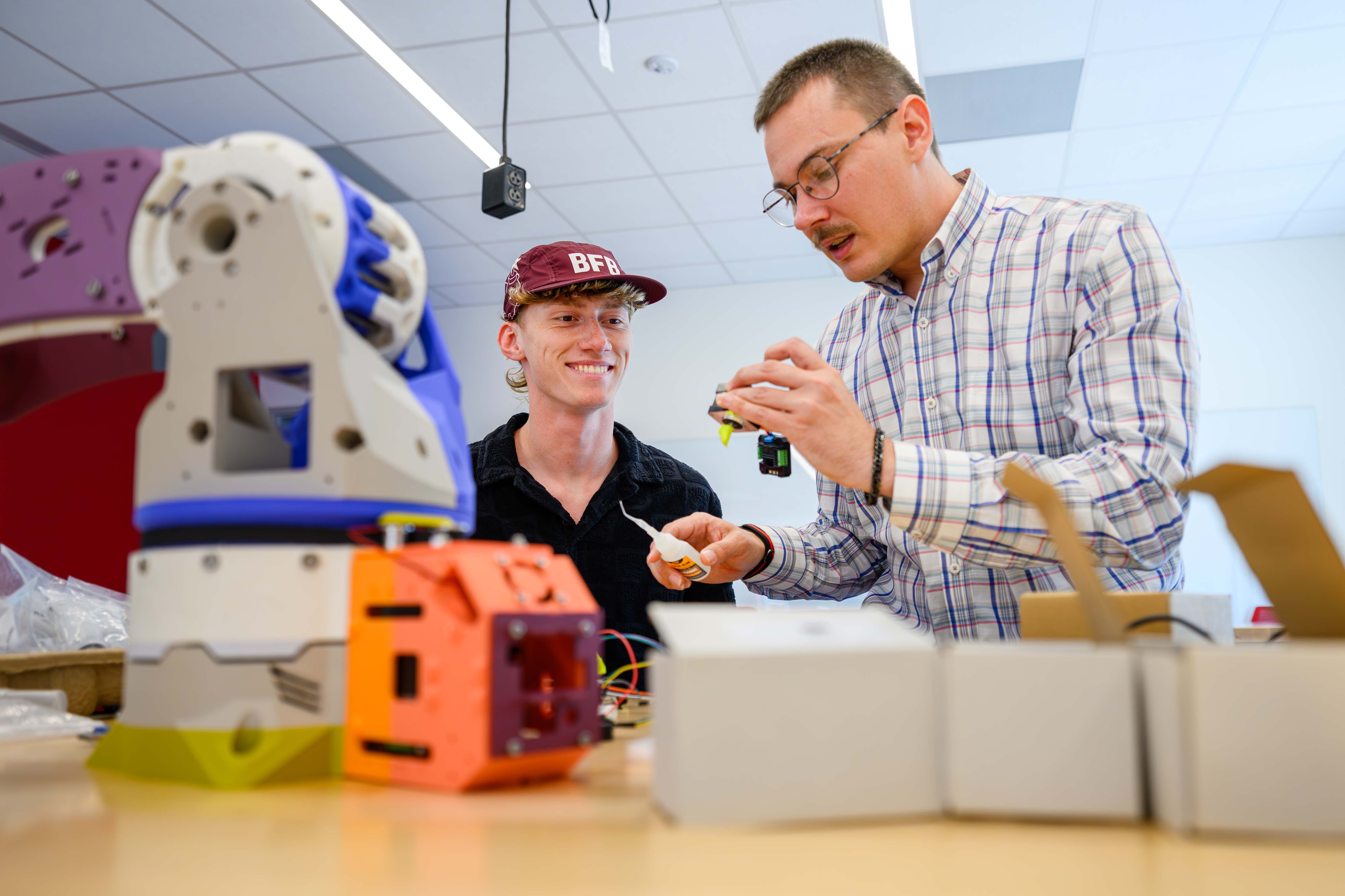
Developing agricultural robots for more efficient food production

Health Innovation

Using Optical Coherence Tomography to help detect cancer

Design & Prototyping

Designing 3D-printed pole vault spikes for women athletes

Data & Intelligence

Improving GPS accuracy for phone-based gaming

Emerging Tech

Developing design principles for digital magazines

Community Impact

Mining data to understand how online communities form

Security

Working on security for mobile touchscreens

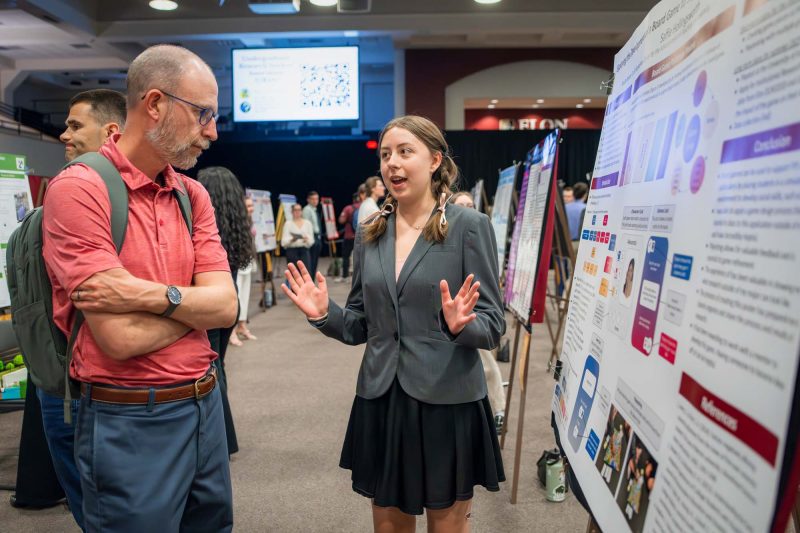
A person presents a research poster to another attendee at a conference, featuring various charts.

Where research happens

Conduct research within the School of Engineering & Computing or across campus, with guidance from a faculty mentor. Eligible research can earn academic credit, and your work may lead to a presentation at Elon’s Spring Undergraduate Research Forum (SURF), a conference presentation or a paper co-authored with your mentor. Depending on your interests, you might also pursue research at another institution through a program such as the National Science Foundation’s Research Experiences for Undergraduates.

Faculty research interests

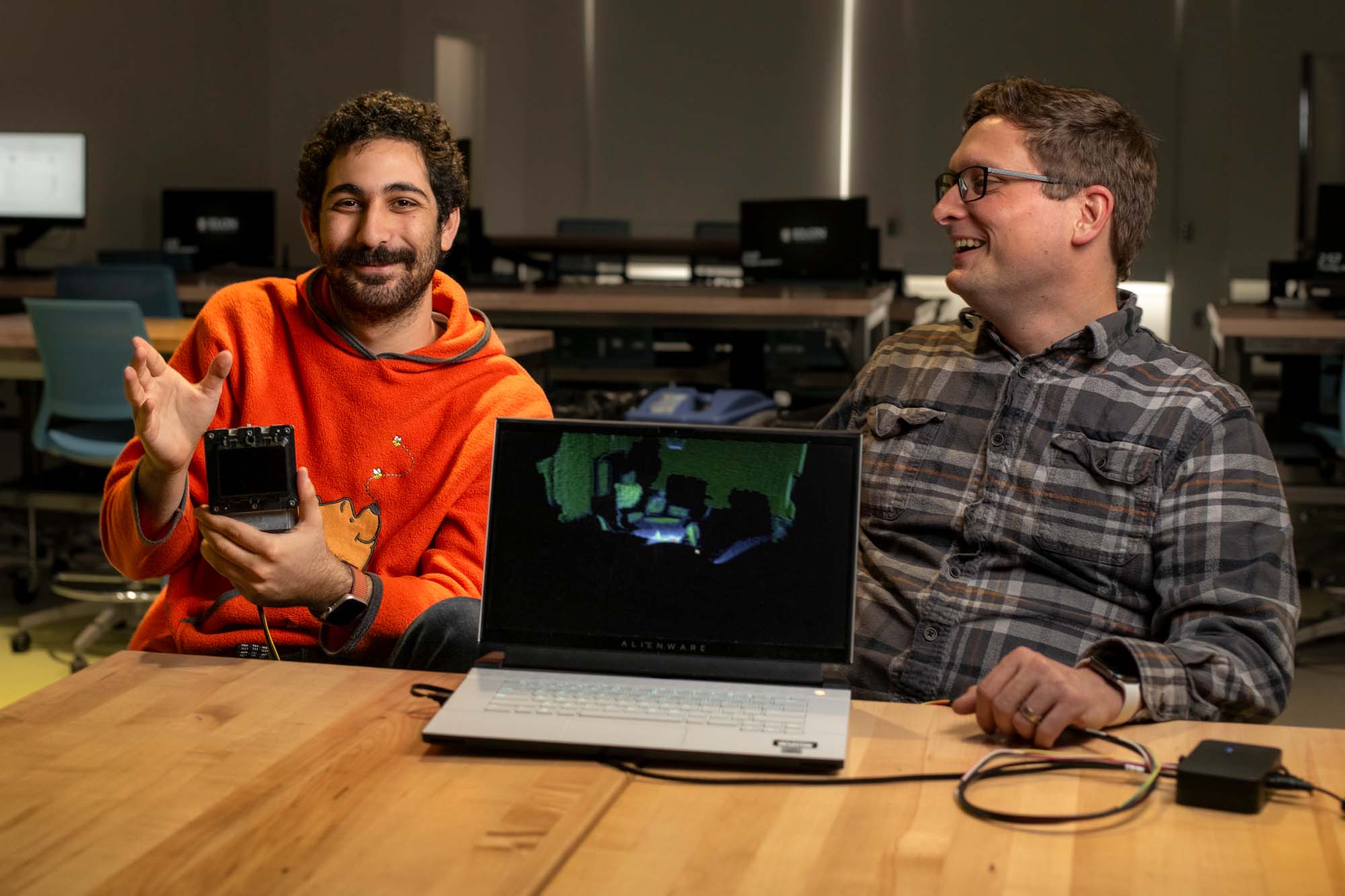
Computer science and engineering faculty work in areas ranging from artificial intelligence and machine learning to human-computer interaction, robotics and computer vision.

See more faculty research interests

Support along the way

Elon offers a variety of programs and financial support to assist in your research journey, including the Summer Undergraduate Research Experience (SURE), the Student Undergraduate Research Forum (SURF), Engineering and Computing Fellows program and the Lumen Prize.

Student Experience

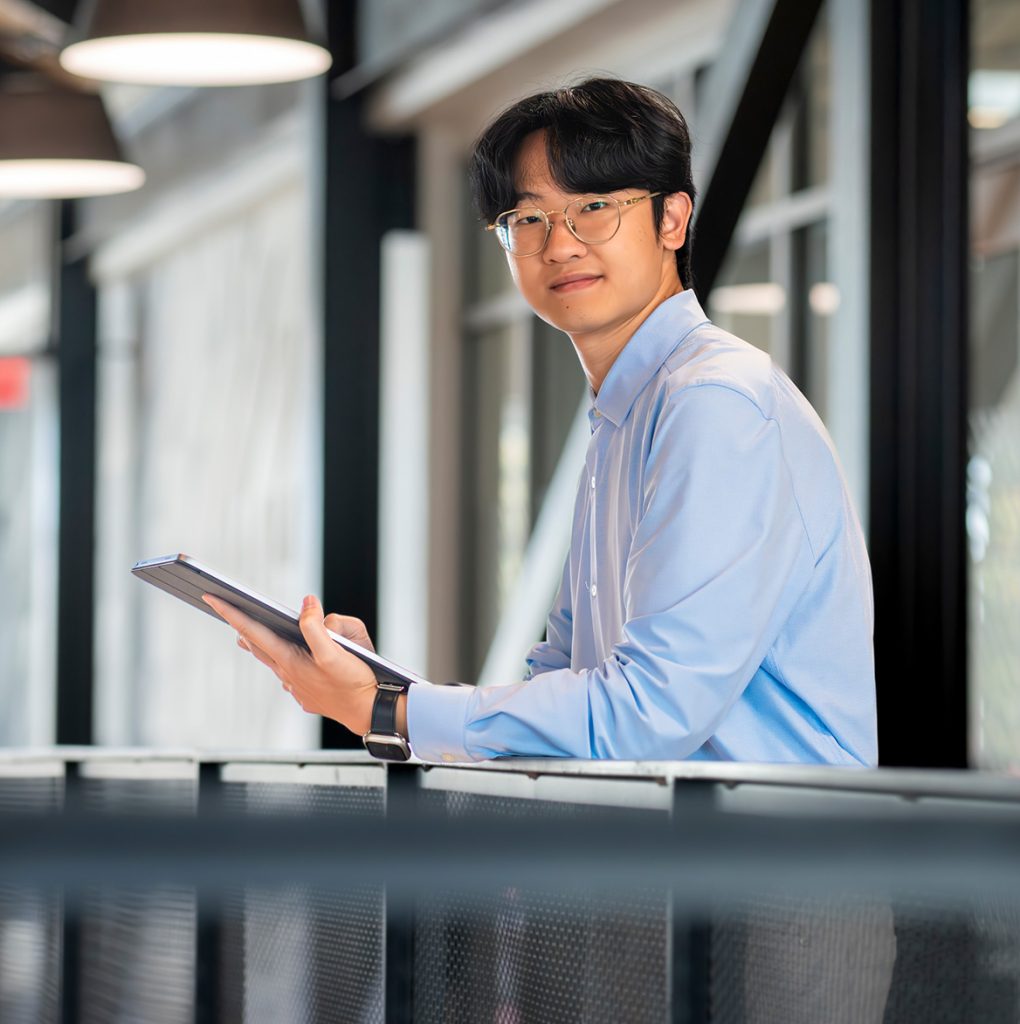
Portrait of Archie Tan

Opportunities and support networks lead to success

Archie Tan ’25

Less than three months after graduating from Elon, Archie Tan ’25 started his career as a software engineer at Red Ventures in Charlotte, N.C. He credits Elon’s opportunities and support network for helping him succeed. While at Elon, Archie conducted research on artificial intelligence applications for diagnosing pancreatic cancer, guided by a faculty mentor. He received the Lumen Prize, the university’s top undergraduate research award.

Originally from China and later New York City, Archie gained professional experience as a software engineering intern at CAN International Corp. in New York. Beyond academics, he volunteered teaching English as a Second Language, while also exploring passions such as rock climbing, kayaking, golf and piano. As a first-generation college student, Archie says the relationships he built with professors, staff and peers were instrumental in helping him navigate his college journey and discover his path forward.


Elon helped me stand out on my job applications. Hands-on work was emphasized, so it was easy to discuss practical experiences during job interviews. The freedom to develop my own projects was invaluable. My professors were incredibly supportive and accessible, providing immediate feedback whenever I faced project challenges.