

A Doctor of Physical Therapy Program in North Carolina Like No Other

Elon University’s three-year, in-person, full-time Doctor of Physical Therapy (DPT) program emphasizes a patient-centered approach to the profession. The program, which begins in January, immerses students in science and research while teaching them the value of respect and communication. Forty weeks of hands-on clinical practicums reinforce the solid academics taught in the classroom. One hundred percent of Elon DPT students find employment after graduation.

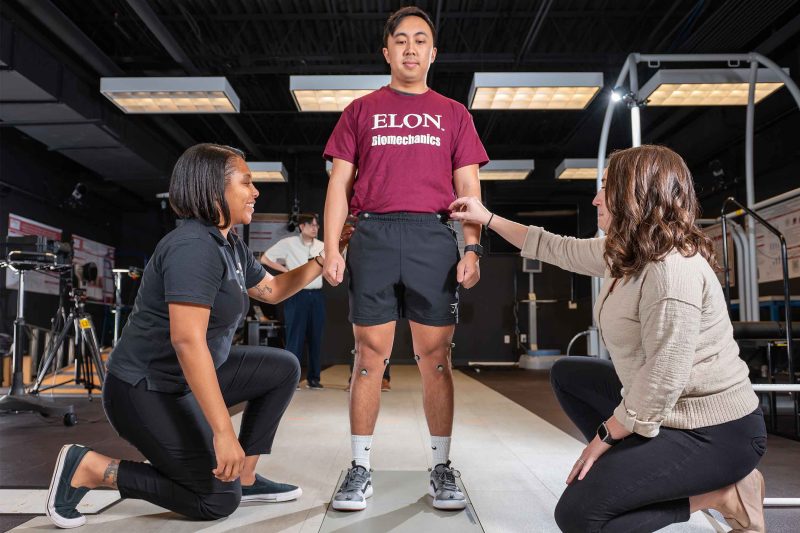
Elon DPT students in biomechanics lab

Overview

A Physical Therapy Program in North Carolina Like No Other

Elon University’s Doctor of Physical Therapy (DPT) program stands out as a nationally recognized, student-centered program that prepares future leaders in physical therapy through innovation, hands-on learning, and a deep commitment to community engagement. Located in the Gerald L. Francis Center, a state-of-the-art facility within the School of Health Sciences, Elon’s DPT program includes a didactic and clinical education model with 40 weeks of full-time clinical experiences—exceeding national standards to ensure students are prepared for success.
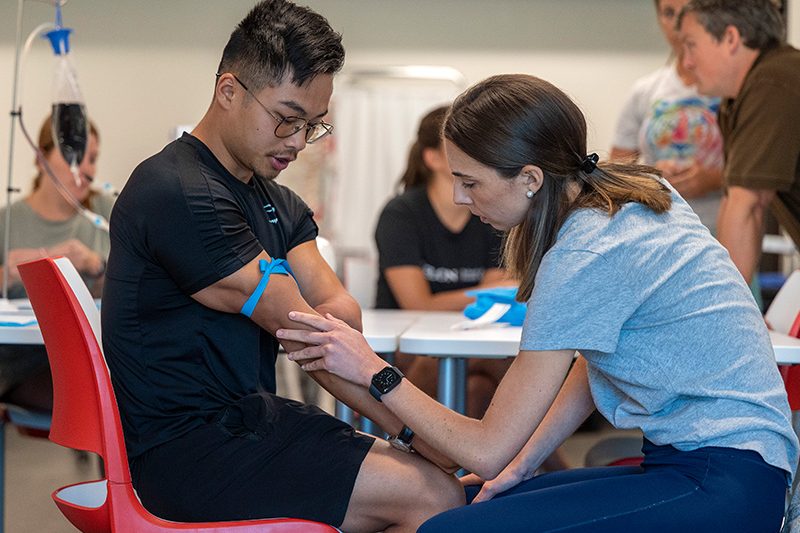
Elon DPT students in the lab

Student Centered

Exceptional Student Experiences

Students benefit from close faculty mentorship, small cohort sizes, and early exposure to clinical settings, fostering strong professional and interpersonal skills. Elon also offers Global Learning Opportunities (GLO), allowing students to gain experience in international and underserved communities—broadening their cultural competence and understanding of global health systems.

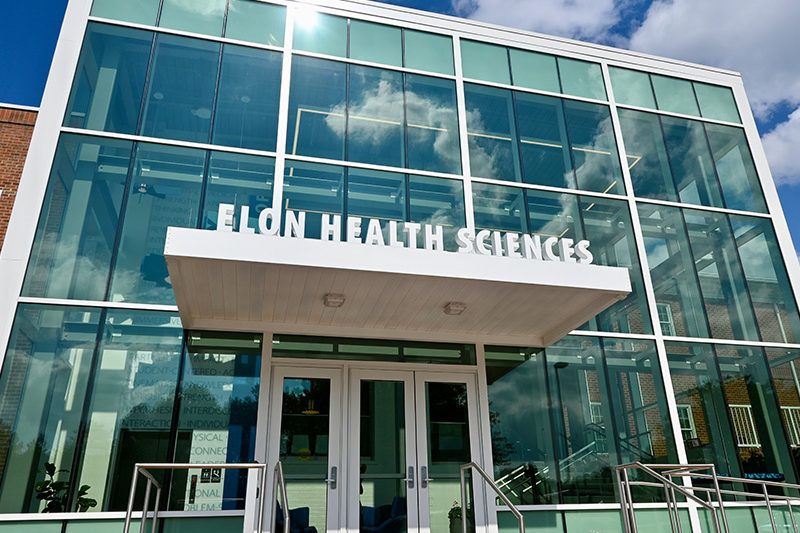
Gerald Francis Center, home of the School of Health Sciences at Elon University

School of Health Sciences

Newly Renovated Faciliites

Elon University’s School of Health Sciences is housed in the Gerald L. Francis Center, a state-of-the-art facility that fosters interprofessional collaboration and experiential learning. The center includes advanced simulation labs equipped with augmented, virtual, and mixed reality technologies, enabling students to engage in realistic clinical scenarios. Additional spaces include classrooms, shared research labs, human donor anatomy and osteology labs, a biomechanics lab, a fitness center, and various student common areas.