


While Braetan Peters ‘26 was enjoying the scenery during a Grand Canyon rafting trip, she was missing the comfort of her cell phone. Now, she’s turning that experience into her Elon College Fellows research, studying the connections people have with their devices.
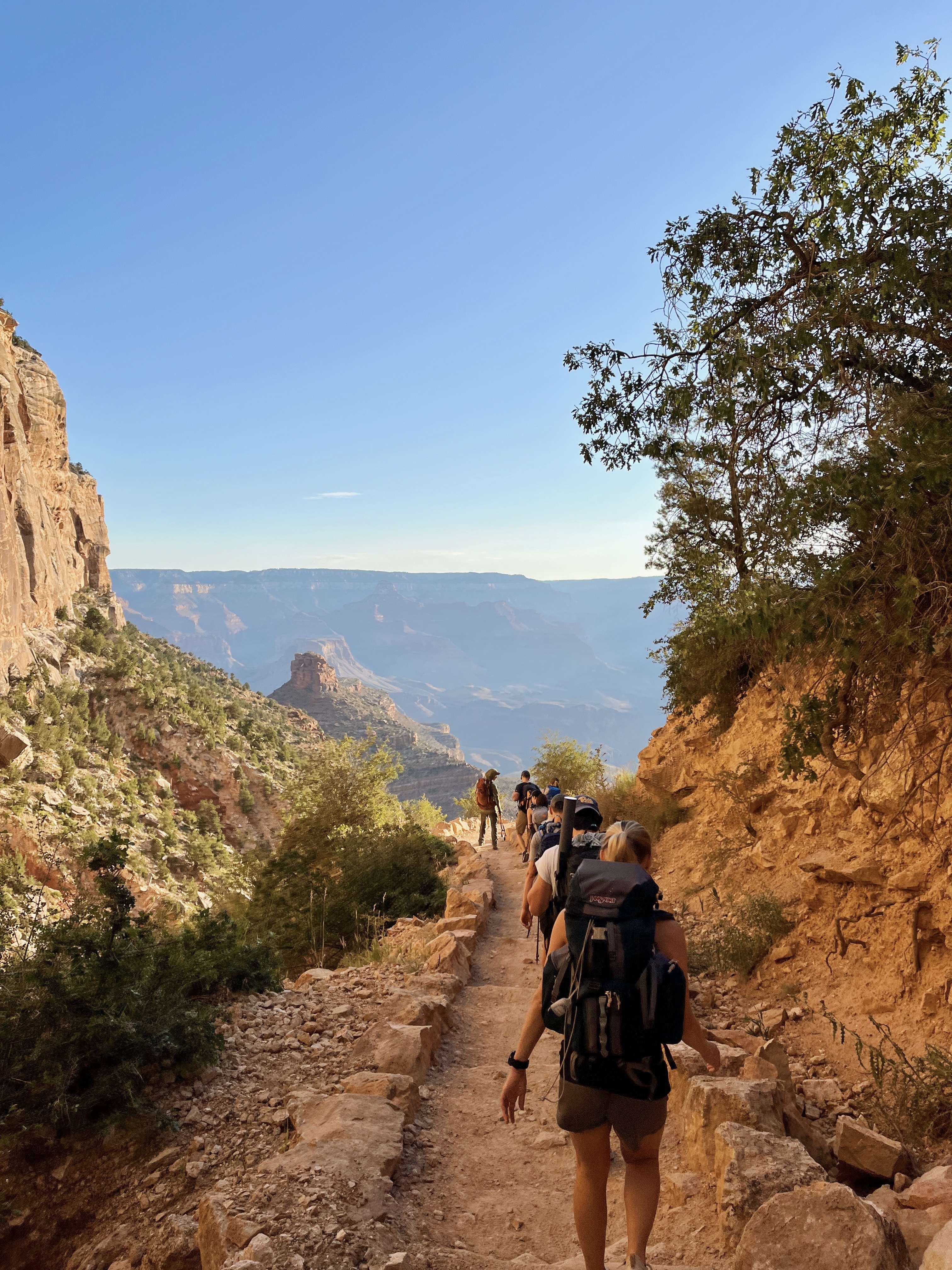
Rafting through the Grand Canyon two years ago, Braetan Peters ’26 was taken by the beauty of the cliffs and valleys, but something else was also on her mind: her cell phone.
“The trip lasted eight days, and five days were actually water rafting throughout the canyon. So, we covered over 130 miles, and it was intense camping. And during that time, I did not have access to my cell phone, so I constantly felt the need to reach down and go ‘Oh, where’s my cell phone?’”
So, when it came time to find a topic for her Elon College Fellows research, Peters decided to explore the addictive factor of cell phones and how peoples’ behavior changes after not having access to the devices for extended periods.
“That experience in the Canyon really propelled this research forward,” said Peters, who is from Annville, Pennsylvania.
Elon College Fellows is a four-year academic and professional program in Elon College, the College of Arts and Sciences, for students who are passionately committed to exploring the breadth, depth and connections within the arts and sciences.
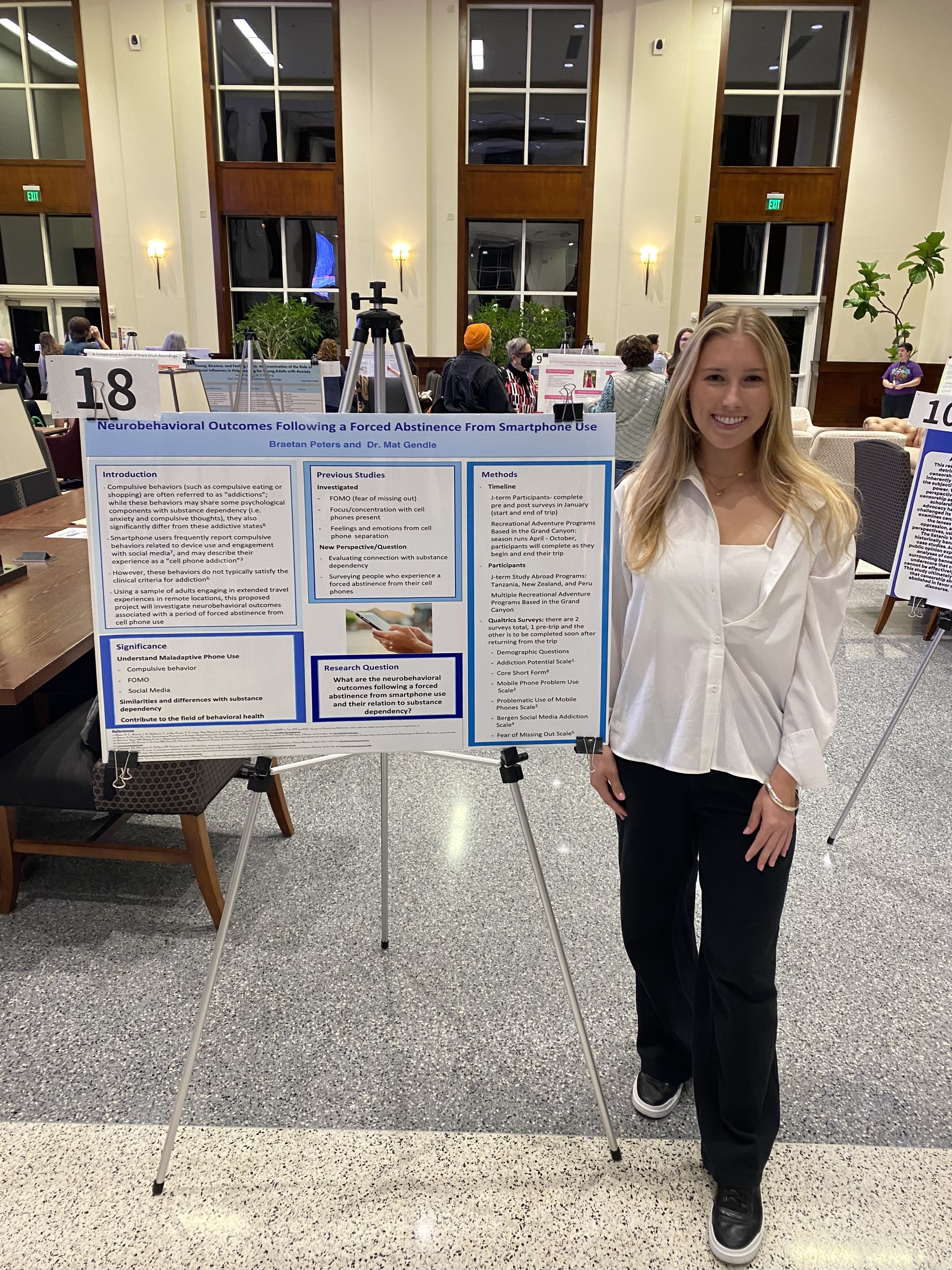
Right now, Peters is in the process of gathering survey data. Over the summer, she partnered with Hatch River Expeditions, a family-owned rafting company in Northern Arizona. The company sent out Peters’ information to its clients, asking if they’d like to participate. Once confirmed, Peters surveyed people before their rafting trip and then followed up after.
“Grand Canyon is probably one of the last places left where your phone can’t constantly get internet. We hope we can help her get what she needs,” said Steve Hatch, owner of Hatch River Expeditions. “Not very many people in the world get access to the Grand Canyon the way we do. Whenever we can, we like to use that access to help people.”
In addition to survey results from Grand Canyon rafters, Peters will also survey students on Winter Term study abroad trips to Tanzania and New Zealand, where their cell phone use will be minimal.
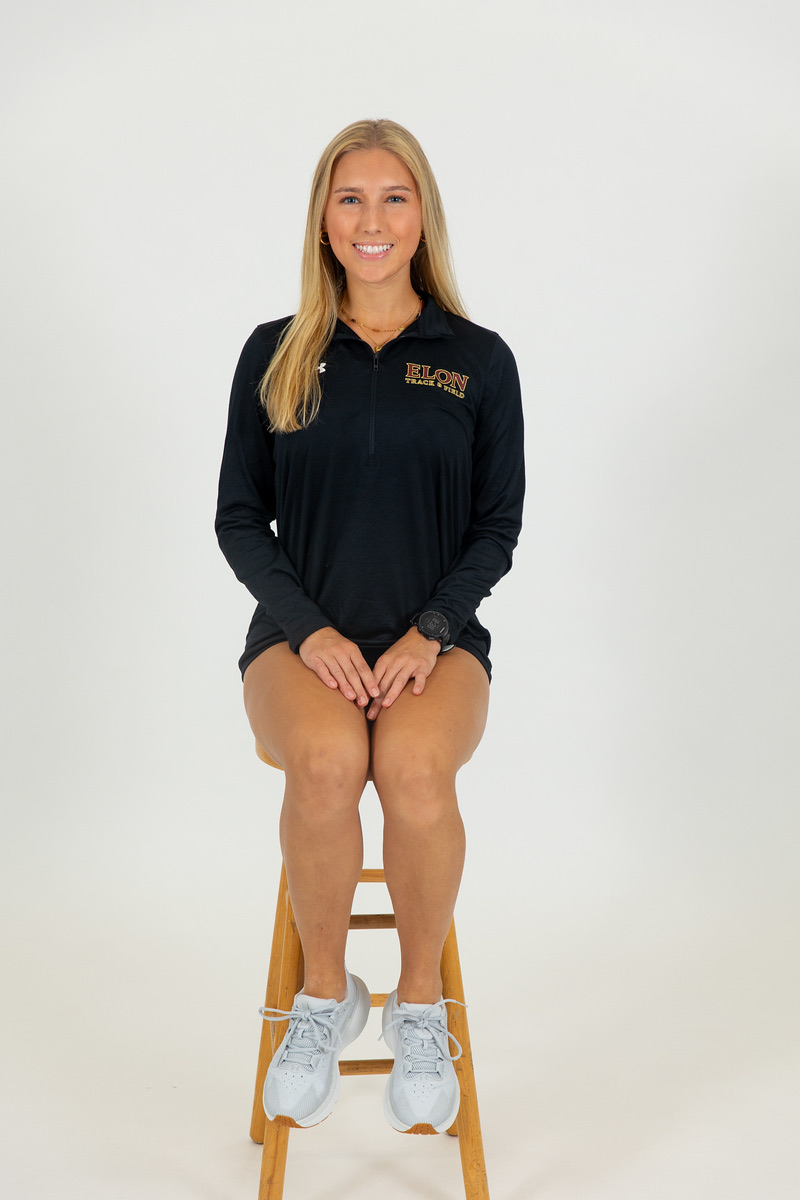 A biology major with a neuroscience minor, Peters is currently on a pre-med track, so she says, getting experience with this kind of research will be helpful for her future. Undergraduate research is one of the five Elon Experiences, along with study abroad, service, leadership, internships and research. Students are required to complete at least two of the experiences before they graduate. With undergraduate research, students pair up with a faculty member as their mentor. Mat Gendle, professor of psychology, is serving as Peters’ mentor.
“It’s been super helpful to have someone to guide me through this process since it’s my first time,” said Peters, who has also been an Elon Women’s cross country and track and field student athlete for the past three years. “I chose Mat Gendle because of his enthusiasm to work with me on this. This isn’t something that he has done previously, but he has knowledge in the neuroscience area.”
Peters is working on a manuscript for the project and hopes to submit it for publication after graduating.