


Through her teaching, scholarship and leadership in equity initiatives, the assistant professor of dance is expanding the visibility of traditional West African dance at Elon and using technology, including artificial intelligence, to make the art form more accessible.
As one of only a handful of full-time professors in the United States who focus on traditional West African dance, Assistant Professor of Dance Keshia Gee has made emphasizing the importance of the dance form a major part of her work at Elon University.
Traditional West African dance is unique by giving dancers the ability to work with live musicians and introduces them to polyrhythm, Gee said, but it goes beyond just live music and rhythm. Knowing, understanding and practicing traditional West African dance can help dancers understand other forms as well, as it is the foundation of many other dance forms.
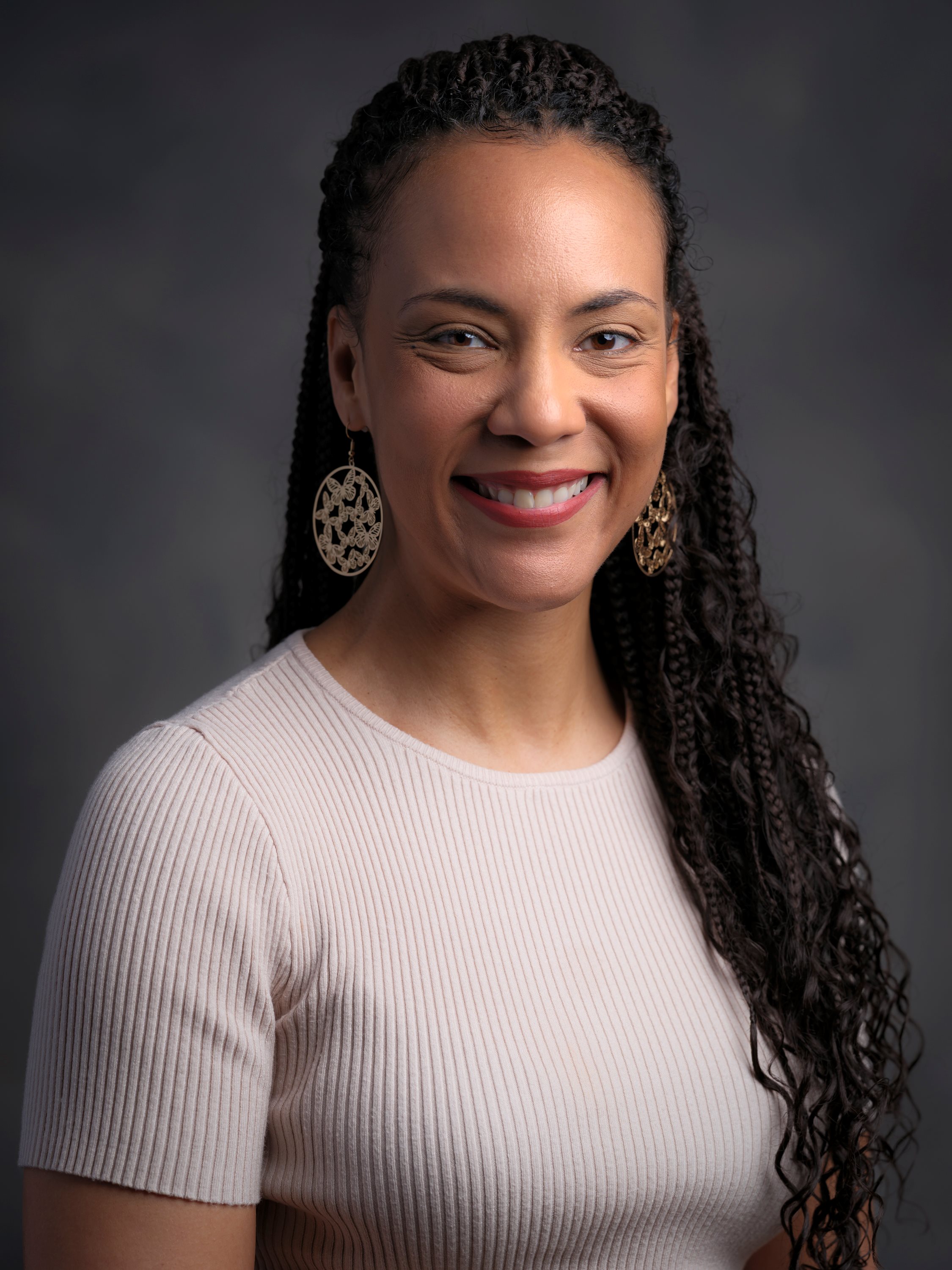
As Elon honors Black History Month in February, Gee notes that her work showcasing West African dance and expanding access to the art is more important than ever, but is also something she does year-round.“My overall goal (for Black History Month),” Gee said, “is to make people aware of Black greatness and the things that Black folks are doing.”
During her undergraduate dance studies, Gee had a difficult time connecting to her alma mater’s modern dance program, partially, she said, because of the culture of the program at the time.
“Later in my dance journey, I also came to understand that I am neurodivergent, which has deeply shaped the way I approach teaching and research,” said Gee. “Because of that experience, I make it a priority to learn every student’s name, build genuine personal connections and create tools and resources that support multiple ways of learning. My goal is to ensure that students who may share similar challenges, or who simply learn differently, are able to engage with the course material in ways that feel accessible and affirming.”
Artificial intelligence has been a tool Gee has used to make the dance form more accessible. She published an interactive textbook that blends tradition with technology, inviting users of the online resource to learn West African dance moves and music using a digital avatar named “Amma.”
“I wanted to make it easier for everyone — whether you’re totally new to dance or already have experience — to connect with this powerful art form and understand how deeply it’s tied to the history and rhythms of the people,” Gee said.
During Gee’s undergraduate experience, it was a West African dance course with her future mentor and mother-in-law, Robin Gee, where things began to click: “It was one of the first times that I felt like a professor really saw me,” said Gee.
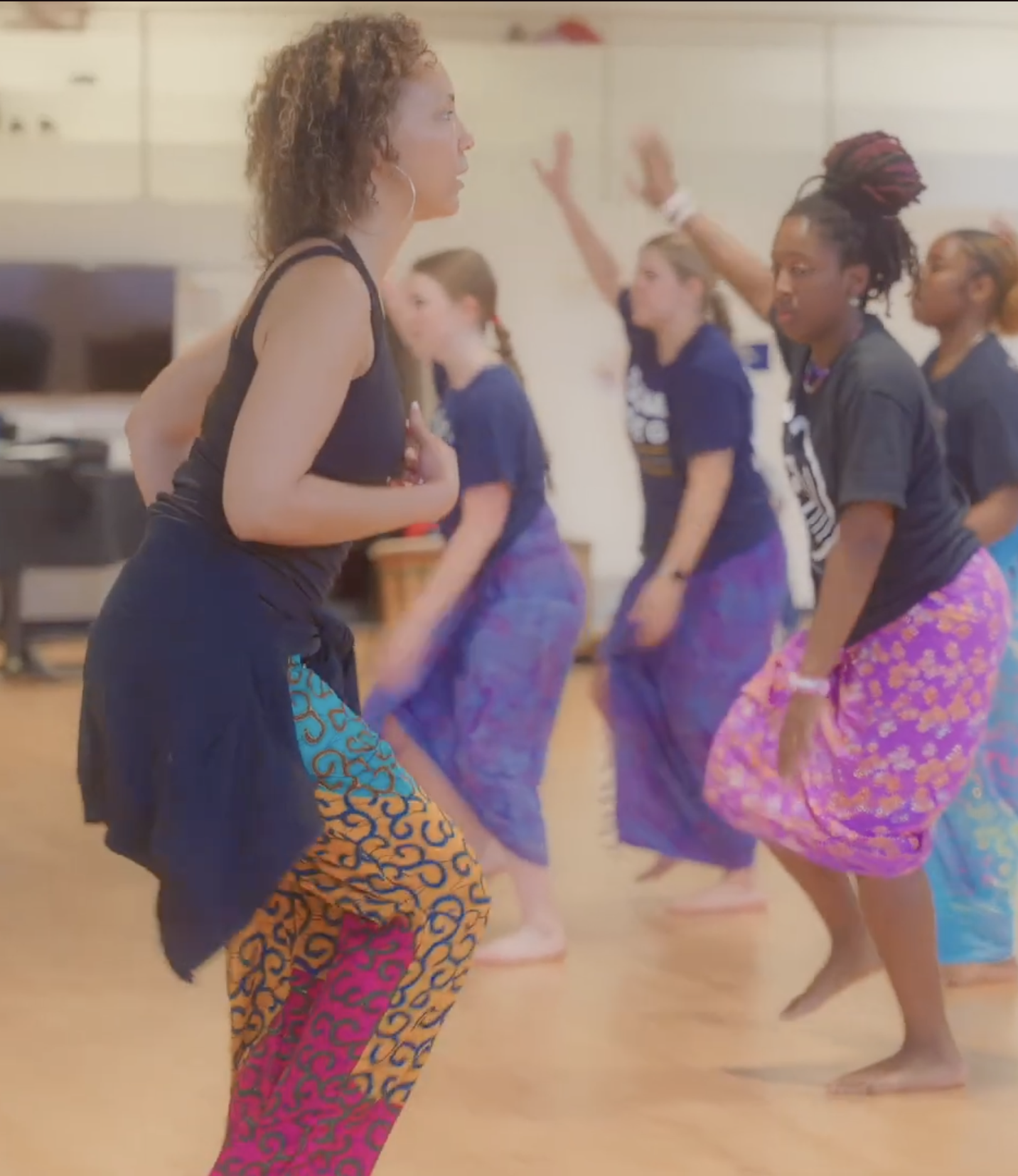
She now tries to help her students similarly, hosting her “mentoring research circle,” bringing together her research mentees for collaborative work: “I love being connected to students in that way. I feel like we learn and grow together, and I just love to see the growth.”
“Working with Keshia has taught me how to challenge my thinking as well as collaborate with others,” said Lucy Burk ‘27, a dance performance & choreography major who is working with Gee on her Elon College Fellows research. “She frequently allows her mentees to share ideas with each other about their projects, which leads to insightful discussions and helps builds strong relationships. Keshia is always there for support and guidance, and she makes sure her mentees get the most valuable information and resources available.”
In 2025, Gee was also named the director of The Black Lumen Project: An Equity Initiative, which works to enhance the Black experience at Elon in pursuit of equity and move the institution further in its commitment to inclusive excellence.
Gee is working to make the Committee on History and Memory Fall 2020 Report more accessible to alumni and the surrounding community through the by development of a mobile app. Her work also includes producing a film about Black women at Elon, such as Mary Carroll Robertson and Wilhelmina Boyd, associate professor emerita of English and founder of the African/African-American Studies program.
“We’ve been interviewing (some of these women) to create this living documentary about Black women being at the heart of Elon,” she said. “Intersectionality can cause us to slip through the cracks at times, and perhaps not be acknowledged for the work that they’ve done.”
Black History Month
As part of Black History Month, Elon University is sharing stories through Today at Elon that highlight Black students, faculty and staff who actively contribute to a campus environment where cultural histories and identities are celebrated year-round. In February, Elon is also recognizing the month through a series of events and programming.