



Peyton Schultz L’26 built practical skills in sports and entertainment law during her residency at a highly respected boutique firm in Charlotte through Elon Law’s Residency-in-Practice Program.
For Peyton Schultz L’26, sports and entertainment law is about more than the behind-the-scenes work that powers stages and stadiums.
The corporations, athletes and entertainers at the center of those industries generate opportunity and influence that extend well beyond the spotlight, fueling local businesses and the people around them. That broader community impact is where Schultz aims to make her mark in the legal field.

She got a firsthand look at the breadth of that work during her Residency-in-Practice this winter at Apollo Sports and Entertainment Law Group — a boutique firm in Charlotte that counsels clients across a range of matters, from contracts, sponsorships and endorsements to intellectual property and brand protection.
“I’ve really enjoyed knowing that the work we do has a meaningful impact,” Schultz said. “These organizations and individuals have a real connection to their communities, and being part of that has been important to me.”
Before enrolling in law school, Schultz spent nearly eight years teaching elementary school after earning a bachelor’s degree in psychology and a Master of Arts in Teaching from the University of North Carolina Wilmington. Working with students and their families, she discovered a passion for advocacy that ultimately led her to pursue a legal career.
Schultz said Elon Law’s emphasis on experiential learning played a significant role in her decision to attend the school. The Residency-in-Practice Program, a cornerstone of Elon Law’s curriculum, places every second-year student in a full-time, 10-week residency with a judge or practicing lawyer, giving students the opportunity to apply classroom concepts in real legal settings.
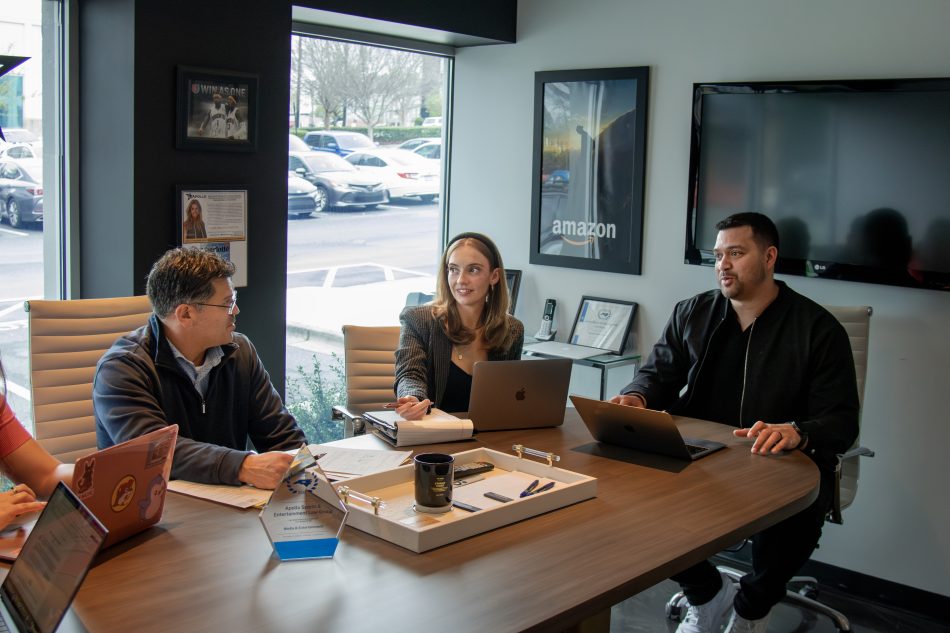
At Apollo Sports and Entertainment Law Group in Charlotte, Schultz received close mentorship from the law firm’s team of attorneys working on matters ranging from document drafting to client interviewing. It was an inside look at the legal field that strengthened practical skills and confidence she will carry into her legal career.
“This has confirmed that I can succeed in this area and that I really enjoy the work,” Schultz said. “I’m full steam ahead on this path after law school.”
Below, Schultz reflects on her residency experience and what she learned while working with the Apollo team.
What inspired you to pursue a career in law, and why sports and entertainment law?
Before law school, I taught elementary school for seven and a half years, working with kindergarten, first, second and fifth graders. One of the parts of teaching I loved most was advocating for students and their families and helping them navigate challenges. Law felt like a natural next step to build on that advocacy and develop the skills and credentials to support people in new ways.
I became interested in sports and entertainment law as name, image and likeness (NIL) opportunities began reshaping college athletics. Not everyone comes from financial privilege or financial security, and NIL allows student-athletes to pursue a degree while also helping support themselves and their families.
Why were you interested in completing your residency with Apollo Sports and Entertainment Law Group?

Apollo stood out to me because of the breadth of work the firm handles across the sports and entertainment industries. The attorneys work on a wide range of matters, from brand agreements and trademark issues to litigation and transactional work, and I wanted the opportunity to see how those different areas come together in practice.
I was also drawn to the firm’s boutique environment. Working with a smaller team provided the opportunity to take on meaningful assignments, receive direct feedback and better understand the reasoning behind the work we were doing. The combination of variety and mentorship made it an ideal place to learn.
What were your daily responsibilities?
Every day was different, which was one of the most exciting parts of the experience. I worked on a variety of projects ranging from reviewing employee handbooks for compliance with state and federal laws to conducting trademark clearance checks and drafting legal documents.
I also helped redline different agreements, like revenue-sharing agreements, and drafted settlement and cease-and-desist letters.
What was it like working with the attorneys at Apollo Law Group?
The mentorship was incredible. Every attorney in the firm played a role in guiding me through the work and explaining the reasoning behind different legal decisions. They were truly mentors in every sense of the word.
They trusted me with meaningful assignments, like redlining agreements and participating in client meetings, and then walked through the work with me afterward. That process helped me understand not only the legal details but also how attorneys approach problems by prioritizing the client’s best interest and overall goals.
What skills did you strengthen during the residency?
Contract drafting and redlining were two of the biggest skills I developed during the placement. Those are tools that I now feel confident using in practice.
My legal research skills also improved, especially learning how to locate information efficiently and communicate it clearly. I also became more comfortable interacting with clients and working in a professional legal environment.
What advice would you give to students searching for a residency placement?
Think carefully about the kind of legal work you want to do long-term and try to align your residency with those goals. The placement gives you 10 weeks of hands-on experience with attorneys who are committed to helping you learn. Choose a residency that will give you meaningful experience and help you grow professionally. It’s an opportunity to confirm what type of work you enjoy before you begin your career.
At Elon Law, Schultz is vice president of the Student Bar Association, a student mentor and teaching assistant. She is an active member of student organizations including the Women’s Law Association, the Sports & Entertainment Law Society, First Gen Society, and OUTLaw.