


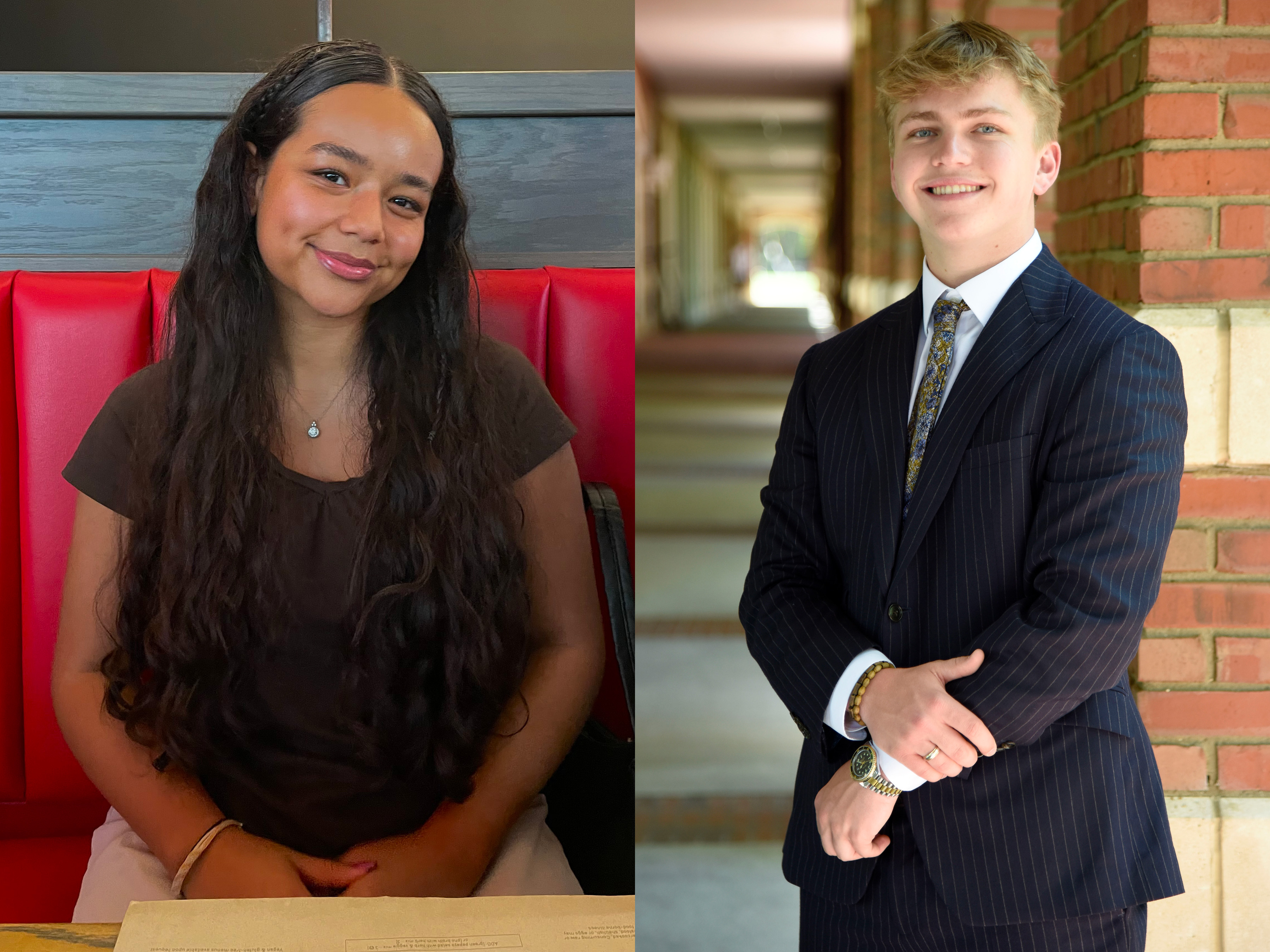
The student government associations at both institutions will meet virtually for the first time on April 24, 2026, with conversations expected around campus cultures, traditions and opportunities to collaborate as the two universities prepare to merge.
Student leaders from Elon University and Queens University of Charlotte will meet for the first time this week in a joint session aimed at building connections and laying the groundwork for collaboration as both institutions move forward with a merger.
The introductory meeting, to be held via Zoom on April 24, will focus on relationship-building and information sharing between the two student government associations. Conversations will include a discussion of how both associations are structured, how often they meet, and how they represent student interests on their campuses.
Leaders will also exchange perspectives on campus traditions, highlighting the events and experiences that define student life at each university. The discussion is expected to begin the process of identifying opportunities for honoring and sharing those traditions across both communities.
The meeting is serves as an early step in aligning student leadership efforts.
Michael Swartz ’27, president of Elon University’s Student Government Association, and Jessica Paredes ’27, president of Queens University’s Student Government Association, answered questions this week in the lead-up to their first meeting.
The duo described their expectations ahead of the conversation and the role of student leadership in shaping what comes next for students on both campuses as the merger progresses.
Describe the role you envision for your Student Government Association as both universities begin to merge operations over the next several months.
Michael Swartz: I see SGA as being an important bridge between the decisions happening at the highest levels of the university and Elon students. Students sometimes feel a little uninformed, and at both institutions, SGA can be a part of that solution, as well as sharing with administrators and faculty what students think.
Jessica Paredes: The role I envision for Queens University’s Student Government Association is to reflect our motto of “Not to be served, but to serve.” I want to help lay the foundation of service so that when we progress in our relationship with Elon, it goes beyond our campuses into our cities.
Can you share some of the ideas you’ve heard from classmates when they’ve talked about the merger that excite you as a student leader?
Jessica: One of the things that I’ve heard from my peers that really excited me is the possibility of being able to take classes on either campus. I think this is an awesome idea that can allow for even more networking, career and friendship opportunities for both Queens and Elon students. Another idea that is exciting is being able to cheer for Elon’s football team! Through organized field trips to Elon’s campus, Queens students can support a team they have close ties to!
Michael: There’s a lot of curiosity I hear from friends and peers. They’re thinking about locations and spaces and potentially taking classes at a different location or pursuing their degree in a place that might make more sense, whether that be in Charlotte for Elon students, or for Queens students in Charlotte to come to Elon. Having options, I think, is a new, valuable asset.
What opportunities for collaboration between the SGAs do you already see that you want to explore first?
Michael: It makes sense to not plan any huge steps this first year. We’ll want to start a little smaller and think about how we can interact via Zoom, like we’re doing Friday, and really meet the people that are spearheading the change on our campuses. Going from there, hosting retreats together and getting connected in person as soon as possible is a great idea.
Jessica: Between Queens University’s SGA and Elon’s SGA, I foresee collaborative opportunities such as creating new traditions, whether that is taking regularly scheduled trips to each other’s institutions, hosting joint listening sessions for all students and inviting each other to participate in select board of trustee meetings so that they are hearing from both student populations.
What are the most important qualities or traits of your campus culture that may be important for the other SGA to understand when you work together?
Michael: A lot of things at Elon are relationship-driven. I’m thinking about our small class sizes. That’s probably not unique to Elon, but it’s something that is so defining about the student experience here, having those connections. Understanding how involved students are in a lot of different things is also important. Many students don’t have one passion or place where they spend all their time. They’re involved in many activities and in diverse parts of campus.
Jessica: Queens is unique in the connections it has with its community and throughout the city of Charlotte. I think it’s very crucial to understand that Queens is career readiness driven. Our SGAs can discuss what our jobs are when it comes to connecting Elon students to Charlotte, and Charlotte to Elon.
Define ‘success’ in the context of collaboration. Where do you want your SGAs to be a year from now?
Michael: For me, success means things feeling more normal than they do now, and this merger not being something that’s happening to students, but something that they’re a part of. I think that collaboration a year from now will also feel more natural.
Jessica: Success to me looks like being on the same page, and everyone feels their ideas have been heard or even acted on! I want Queens University’s SGA to be in a space where our student body feels confidence and pride in being a part of our mission. I hope the same thing goes for Elon.
A fun question to end the interview: What might surprise your SGA counterpart to learn about you?
Jessica: I am a very open book and have built connections with most of the people in our SGA. However, I think a surprising thing about me is that I am always learning from them. The President title bears a lot of weight, but if it weren’t for the Senate showing up and giving new perspectives, my job would be way less fun.
Michael: I’ve been on the Queens campus more times than I can count because my mom went there as a student and she currently works there in their advancement department. I spent my childhood traveling from Davidson, North Carolina, to Charlotte, hanging out around Queens and seeing it grow in its own way before I had any idea at all I was going to end up at Elon. I used to say that I didn’t want to go to a school where my mom works. It’s funny that, one way or another, that happened.