


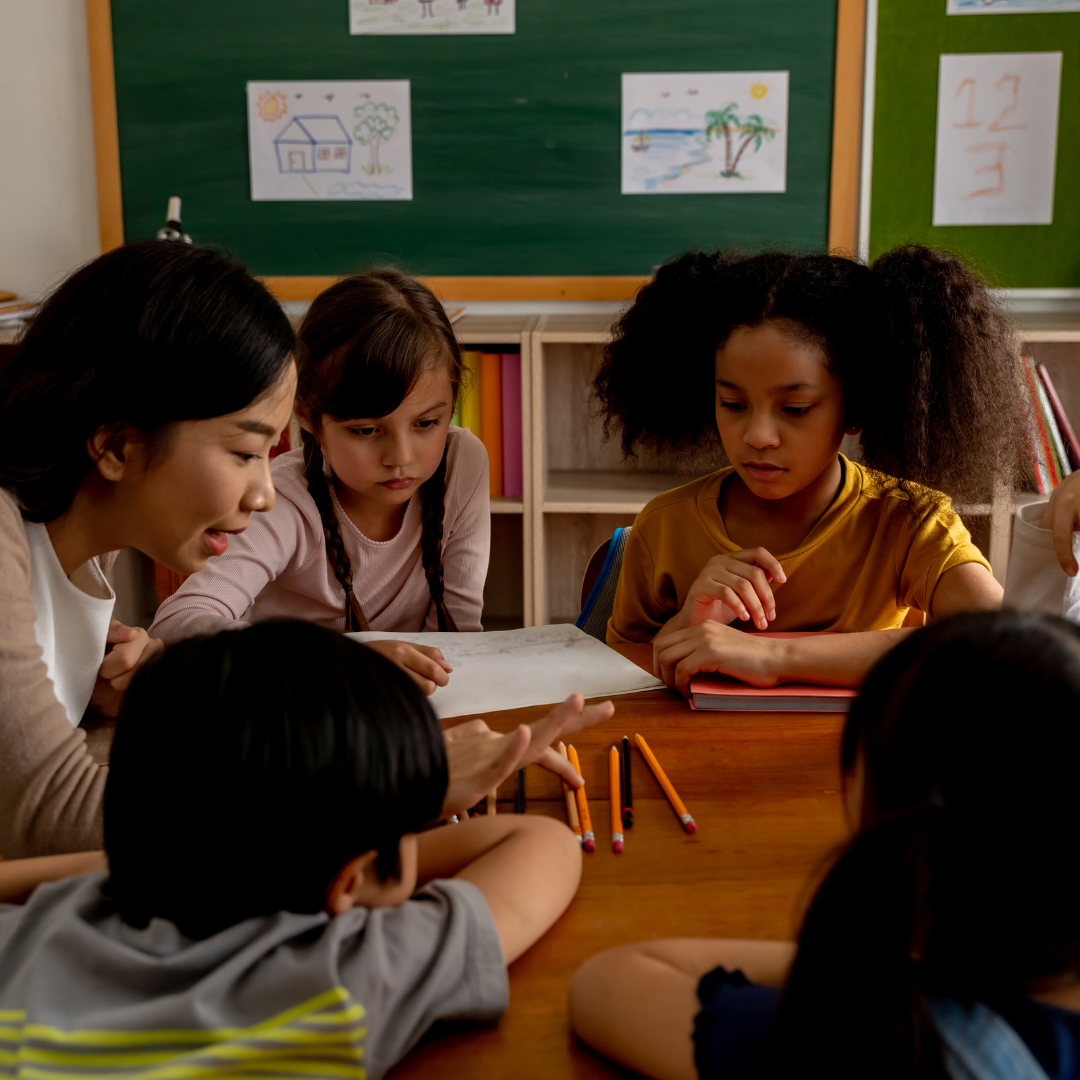
Heidi Hollingsworth, Bill Burress, Jeffrey Carpenter and Mark Enfield published their peer-reviewed research in the journal "Teaching and Teacher Education."
A new study by faculty and staff from the Dr. Jo Watts Williams School of Education, Associate Professor Heidi Hollingsworth, Director of Assessment and Accreditation Bill Burress, William S. Long Professor Jeffrey Carpenter and Associate Professor Mark Enfield, published in “Teaching and Teacher Education” shines a spotlight on how teacher candidates grow (and sometimes hit obstacles) when they participate in international field placements as part of their teacher training. The research reviews 82 studies from the past decade that paired future teachers with real classrooms overseas.
What stood out
Real cultural growth.
- Many PSTs return with a richer sense of other cultures, strengthened communication skills and novel ideas for teaching far beyond what textbooks can offer.
Design makes the difference.
- It’s not just about being abroad—it’s about how the experiences are prearranged, supported, and tied to real goals that make it significant.
International field experiences facilitate growth in teacher candidates’ knowledge, skills and dispositions.
- Across studies, PSTs reported development in three key areas: what they know (intercultural knowledge and global awareness), what they can do (skills like culturally responsive teaching and cross-cultural communication), and how they see the world (increased empathy, confidence, and a more inclusive mindset).
There’s still room to grow.
- While many outcomes were promising, some studies noted that deep learning doesn’t happen automatically. The most impactful experiences were those supported by thoughtful design, guided reflection and culturally responsive frameworks that help PSTs move beyond surface-level understandings.
The review also highlights thought-provoking yet unanswered questions such as:
- What do host teachers and students think of PST visits in their classrooms
- How are power, privilege, and even environmental impacts playing out in international placements?
- Do these global experiences transform teaching years later, or do their effects fade over time?
- How can programs encourage reflection and clearly define their learning goals?
Supported by a faculty research grant from the Center for Research on Global Engagement and a writing residency through the Center for the Advancement of Teaching and Learning, this study is the first in a series on the topic. It also collects data on the experiences of Elon teacher education majors at the Dr. Jo Watts Williams School of Education Study Abroad Center in Dunedin, New Zealand.
-
Heidi Hollingsworth
Professor of Education and Director of the Master of Education Program
-
Bill Burress
Director of Assessment and Accreditation
-
Jeff Carpenter
William S. Long Professor and Professor of Education
-
Mark Enfield
Associate Professor of Education and Chair of the Department of Education and Wellness