

A wellness script for the outdoors
Dr. Jo Watts Williams School of Education
At Elon University, Nature Rx is more than a wellness program. It’s an example of how innovation often begins not with new technology, but with a new way of connecting people, expertise and place.
Since 2019, students have gathered for activities such as mental health hikes, reflective outdoor workshops and evening stargazing, experiences designed to help participants pause, reconnect with the natural environment and experience the mental health benefits that research increasingly links to time outdoors.
Elon’s unique approach to Nature Rx is more than just getting students outside, organizers say. It’s the collaborative, student-centered model used to make those experiences meaningful and accessible as part of a broader national movement.
“We introduce and support activities that students want, which at Elon tends to be hands-on, in-person engagement opportunities,” said Evan Small, an assistant teaching professor in the Dr. Jo Watts Williams School of Education and one of the program’s organizers. “We then develop those programs with opportunities for deeper conversations about the benefits of connecting to the natural world.”
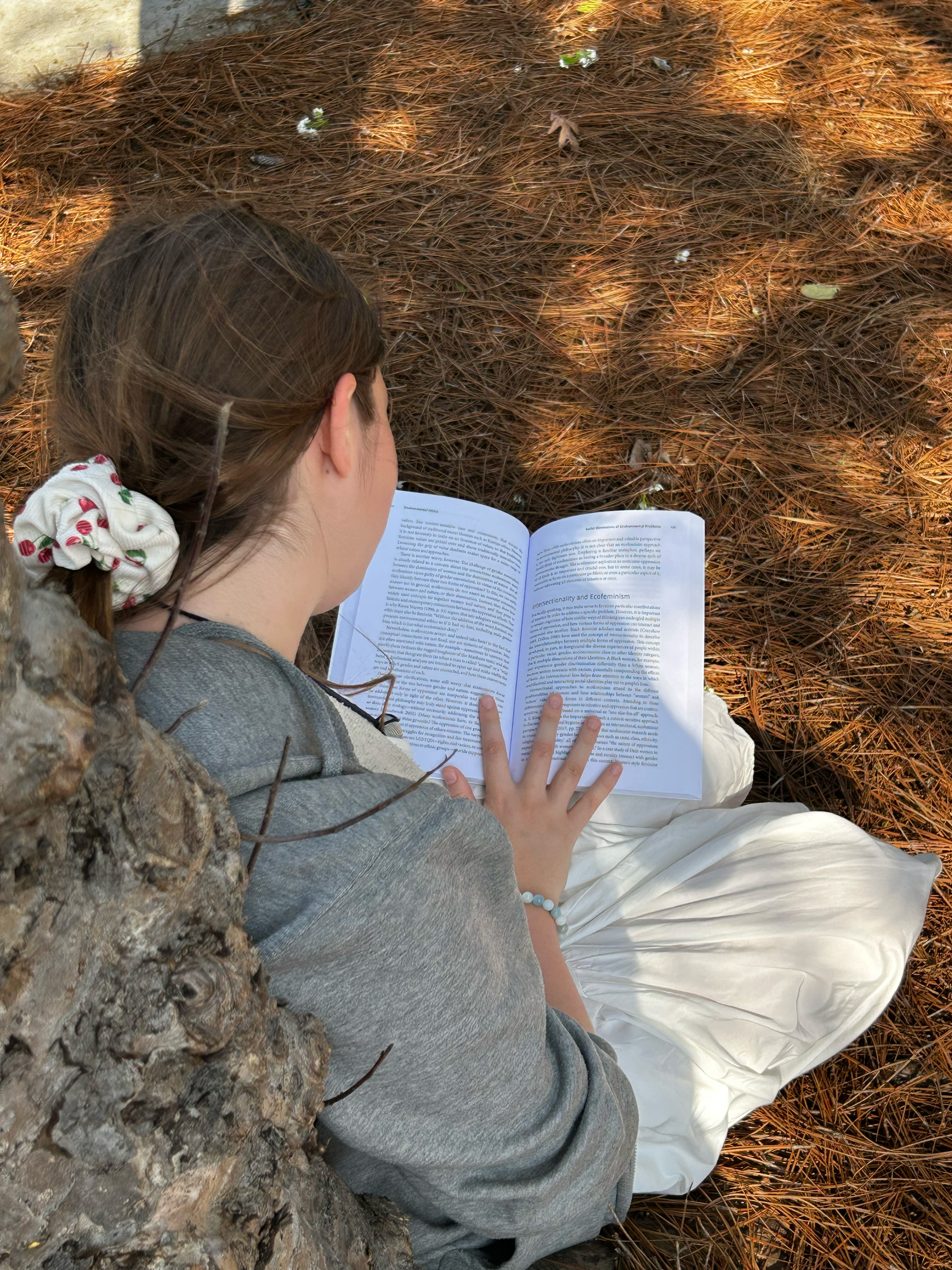
Outdoor reading, mental health hikes, reflective outdoor workshops and evening stargazing are among the Nature Rx experiences designed to help participants pause, reconnect with the natural environment.
The program, part of the national Campus Nature Rx movement, is rooted in research showing that even short periods outside – sometimes as little as five minutes – improves concentration, elevates mood and reduces symptoms of anxiety and depression. One of the most popular offerings is “Stargazing for Mental Health,” where students gather to observe planets and constellations with guidance from the university’s Astronomy Club.
What makes Elon’s approach distinctive is how the program is organized. Instead of being housed in a single office, Nature Rx is jointly led by the Dr. Jo Watts Williams School of Education, the Office of Sustainability, and Counseling Services. That structure has created what organizers describe as a “force multiplier,” allowing the initiative to combine expertise in environmental education, mental health and student engagement.
“The collaborative nature of our program is really what sets it apart,” said co-organizer Kelly Harer, associate director of sustainability for education and outreach. “It brings together different knowledge and perspectives and helps us create experiences that connect with students in different ways.”
Co-organizer Tumi Shadreck, a counselor and outreach coordinator in Elon’s Counseling Services, said that collaboration also fuels creativity in the programming itself. Each organizer brings different interests and ideas to the table, which has helped the program expand beyond a single type of activity.
“Each of us represents a different part of campus life,” Shadreck said. “Having those different voices working together has helped us come up with really creative ideas in how we engage students.”
Each of us represents a different part of campus life. Having those different voices working together has helped us come up with really creative ideas in how we engage students.
Shadreck notes how the program intentionally meets students where they are. Events are often scheduled during particularly stressful points in the academic calendar and held in accessible campus spaces for easy participation. That design reflects a key principle behind the program’s success: nature-based well-being does not have to require elaborate trips or specialized equipment.
“Nature surrounds us,” Shadreck said. “Even sitting by a tree or stepping outside for a short time can help people feel more grounded and less stressed.”
Nature Rx has already earned campus recognition, including the Phoenix Collaboration Award during Elon’s 2025 Staff Appreciation Day. The initiative is continuing to evolve as well. A mobile app funded by an Elon Innovation Grant is under development, helping students, faculty and staff more easily locate green spaces and connect with programs.
For the team behind the initiative, the program demonstrates that innovation can emerge from collaboration and creativity — and sometimes from simply reimagining how a campus uses the spaces it already has.
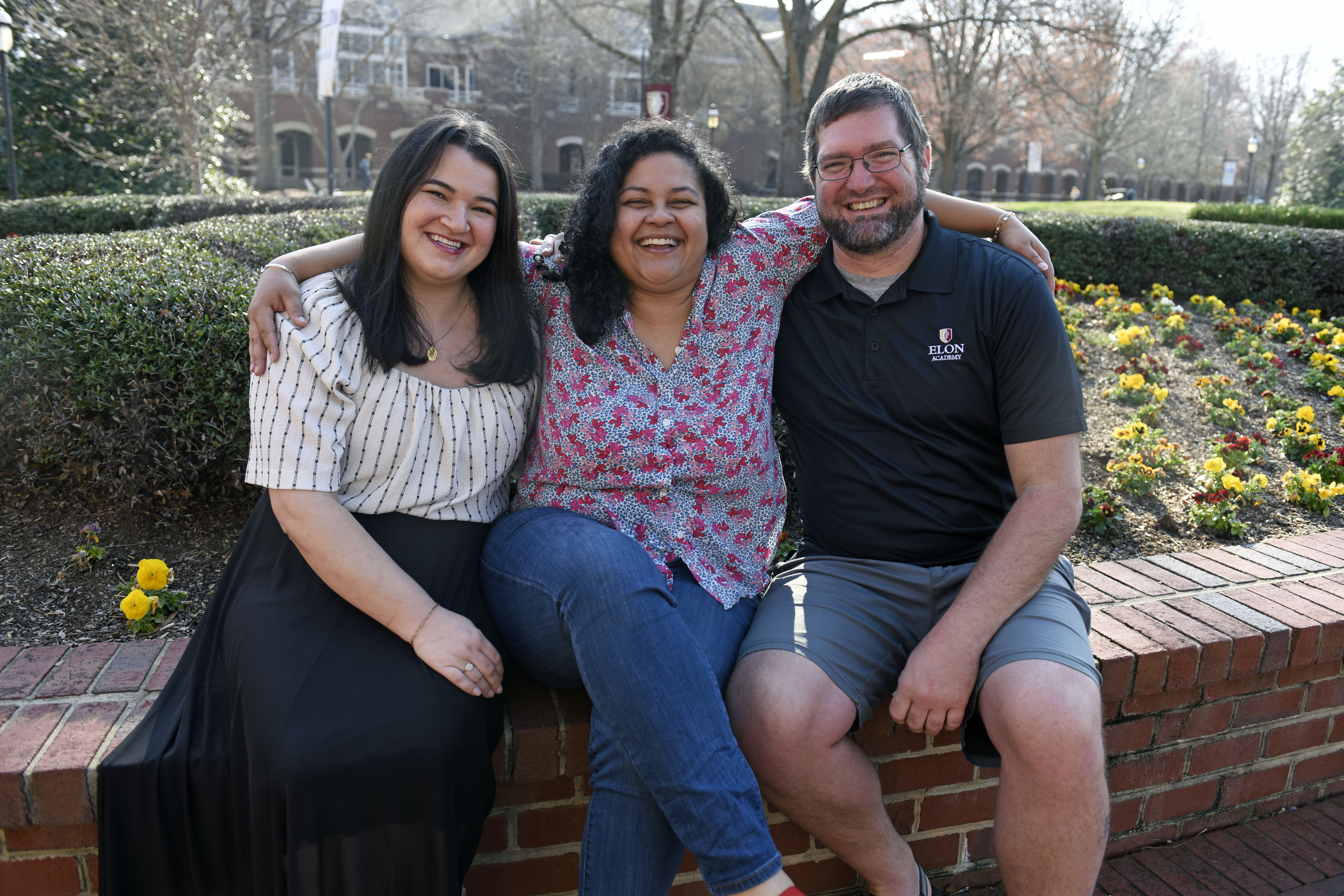
From left: Kelly Harer, Tumi Shadreck and Evan Small
KEY TAKEAWAYS
- Build programs across offices.
Nature Rx works because it is shared. The Dr. Jo Watts Williams School of Education, the Office of Sustainability, and Counseling Services each bring different expertise, audiences and ideas. Programs are more creative and inclusive of all student interests. - Start small, then reassess and adapt.
Elon’s Nature Rx program began as an unfinished model. Organizers introduced events, adapted their timing and format, and broadened offerings beyond initial hikes. Successful programs don’t need to be launched at full scale. - Meet students where they are and lower the barrier to entry.
Elon’s approach works because programs are intentionally simple. They often happen near residence halls and familiar campus green spaces or through brief, accessible activities (though organized hikes and kayaking are still popular).