

Previous Courses
 Human Service Studies 2130
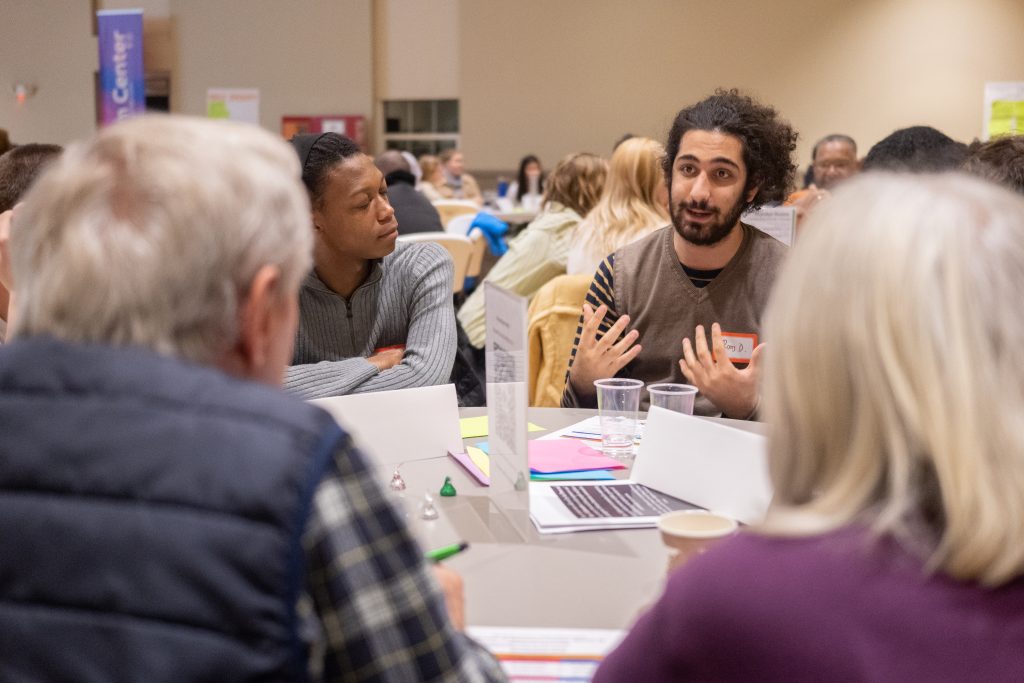
Working with Groups and Communities
Students in this course engaged in exploration and discovery – of self, and of others – and how understanding ourselves and others connects to social issues. They explored and discussed theories of group development, community development, group and community dynamics and structures, and how to understand “power” and “privilege” within groups and communities – with a goal of advocacy and positive change.
 Global Education 2460
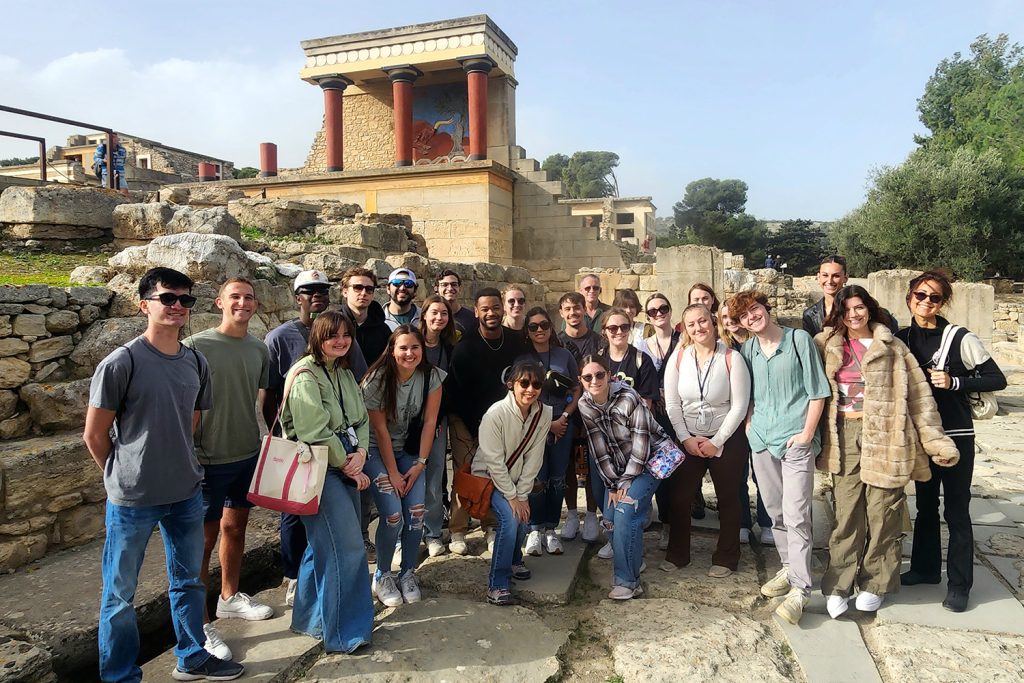
Classical Greece in Context
This study abroad course explored the role of design throughout Greece’s history through a combination of readings, guided tours, and experiential travel. Through site visits, walking tours, dialogue, and reflective writing, students documented how various designs, including cultural traditions, institutional models, and various landmarks, have left a lasting impact upon the world today.
 Interdisciplinary Studies 2770
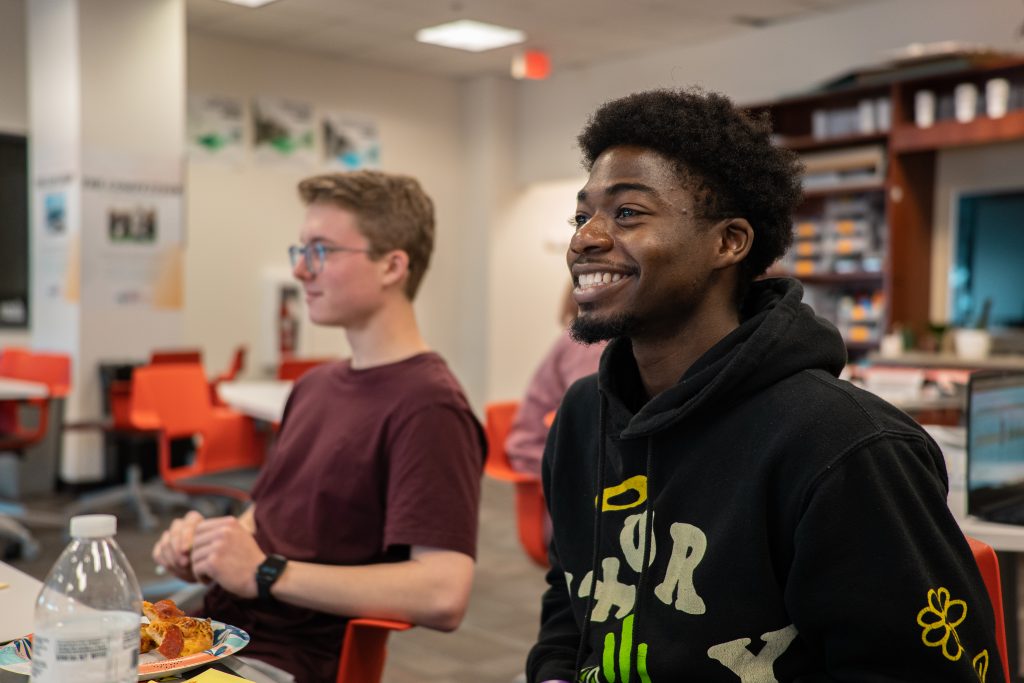
Pathways to Design Thinking
This interdisciplinary, one-credit course supported students from a wide variety of majors to use design thinking in their everyday lives and communities. Students completed a personal design challenge to improve their wellbeing and a group project with a client. Through consulting and collaborating with each other and community partners, students learned how to frame design challenges, more fully explore complex real-world situations, generate diverse options, and cultivate viable solutions.
 Honors Fellows Program 2550
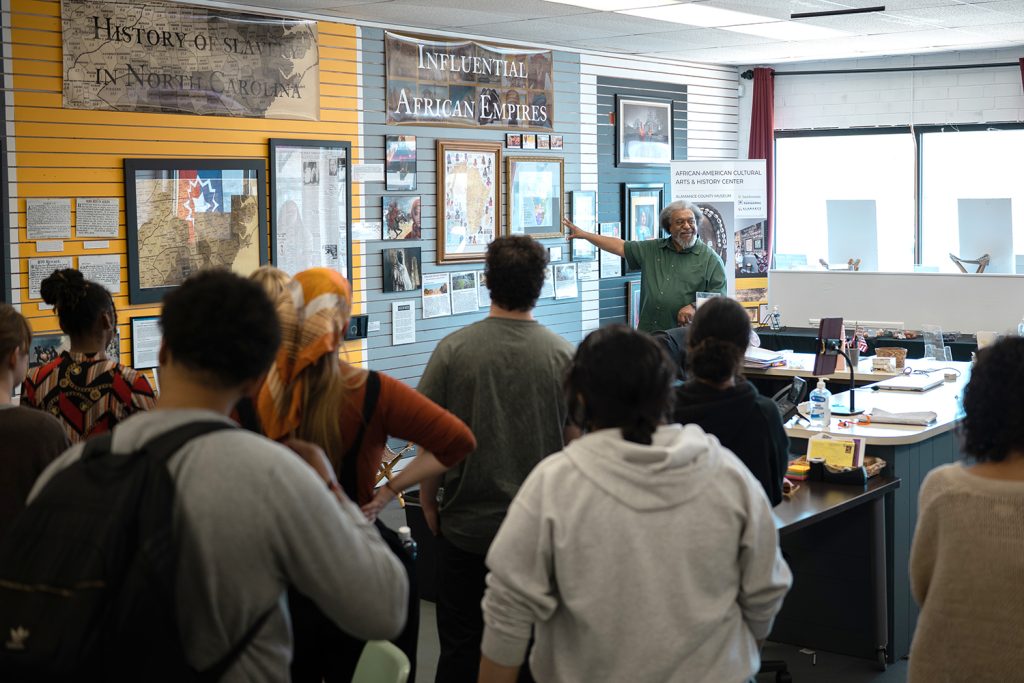
Place & Placemaking
This community-engaged learning course implemented an array of participatory design practices to share stories of place. In partnership with the African American Cultural Arts & History Center, the Burlington Masjid, CityGate Dream Center, and the Power + Place Collaborative, students engaged in local walking tours, community dialogues, and counter-storytelling campaigns. Groups produced videos and transcripts of interviews with local storytellers to explore how faith and geography influence the community.
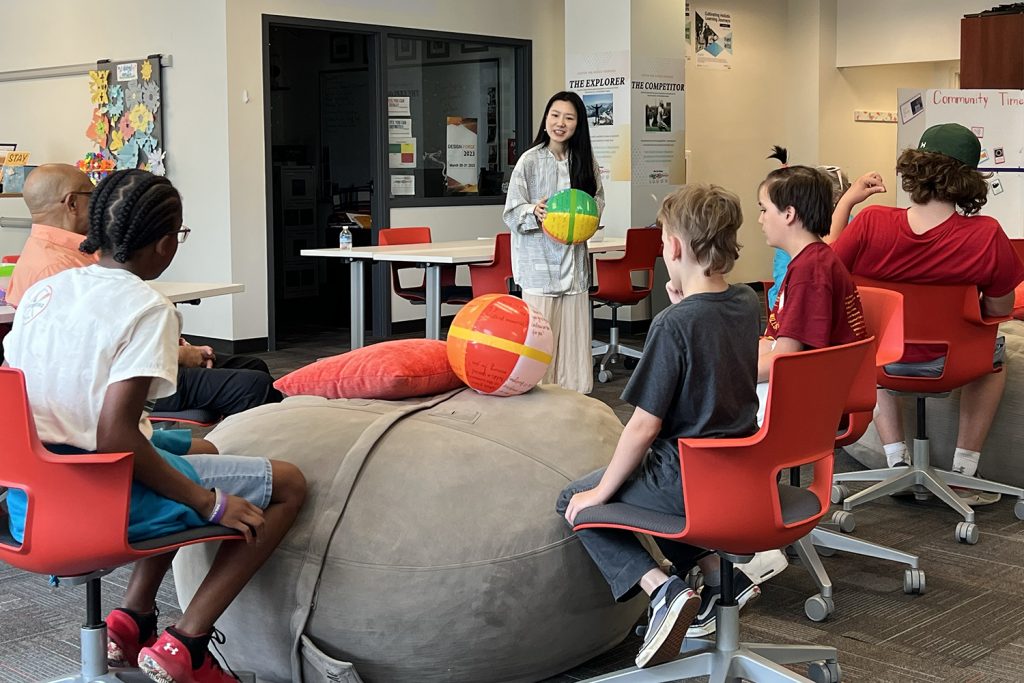 Master of Education 7460
Design Thinking
This graduate course explored the role of curiosity, creativity, and imagination in transformative teaching and learning practices grounded in design thinking. Students completed three equity-centered design thinking learning projects, including a self-designed teaching program, a class-led lesson plan, and a community-youth focused workshop. In alignment with social justice and local history educational efforts, design thinking educational lessons were implemented with local youth in summer day camp programs.