Fraternities and Sororities at Elon
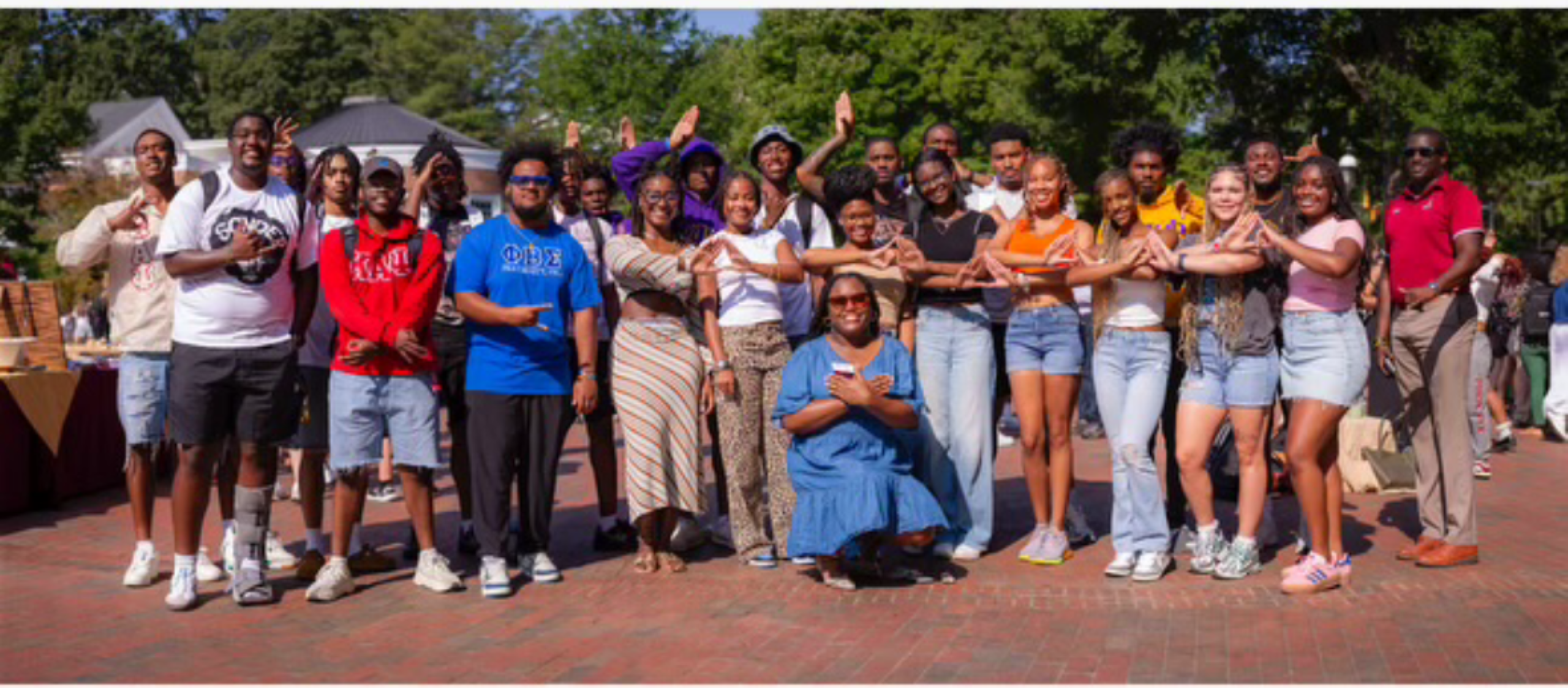
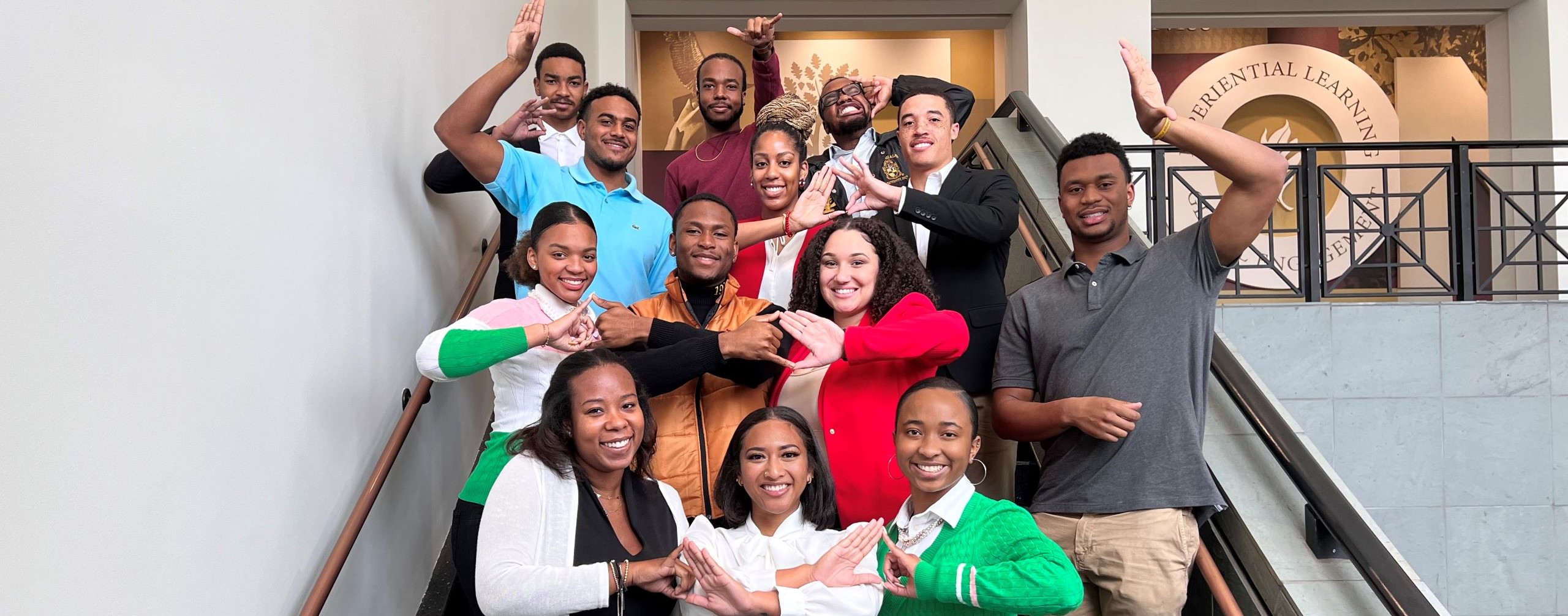
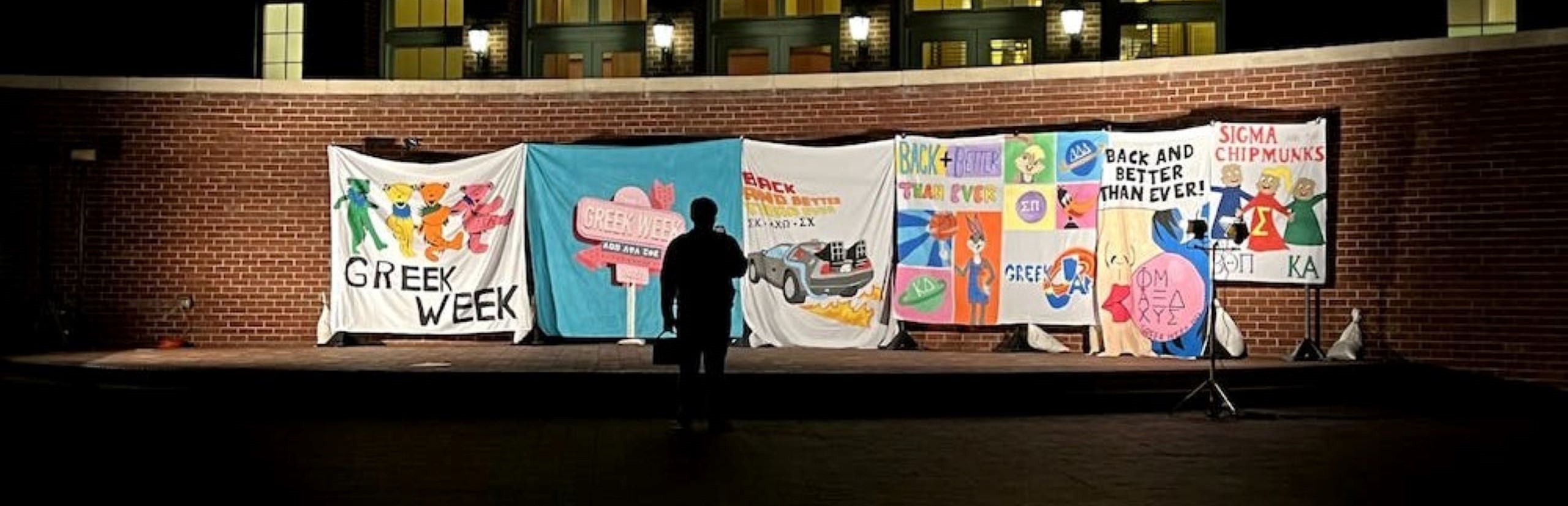
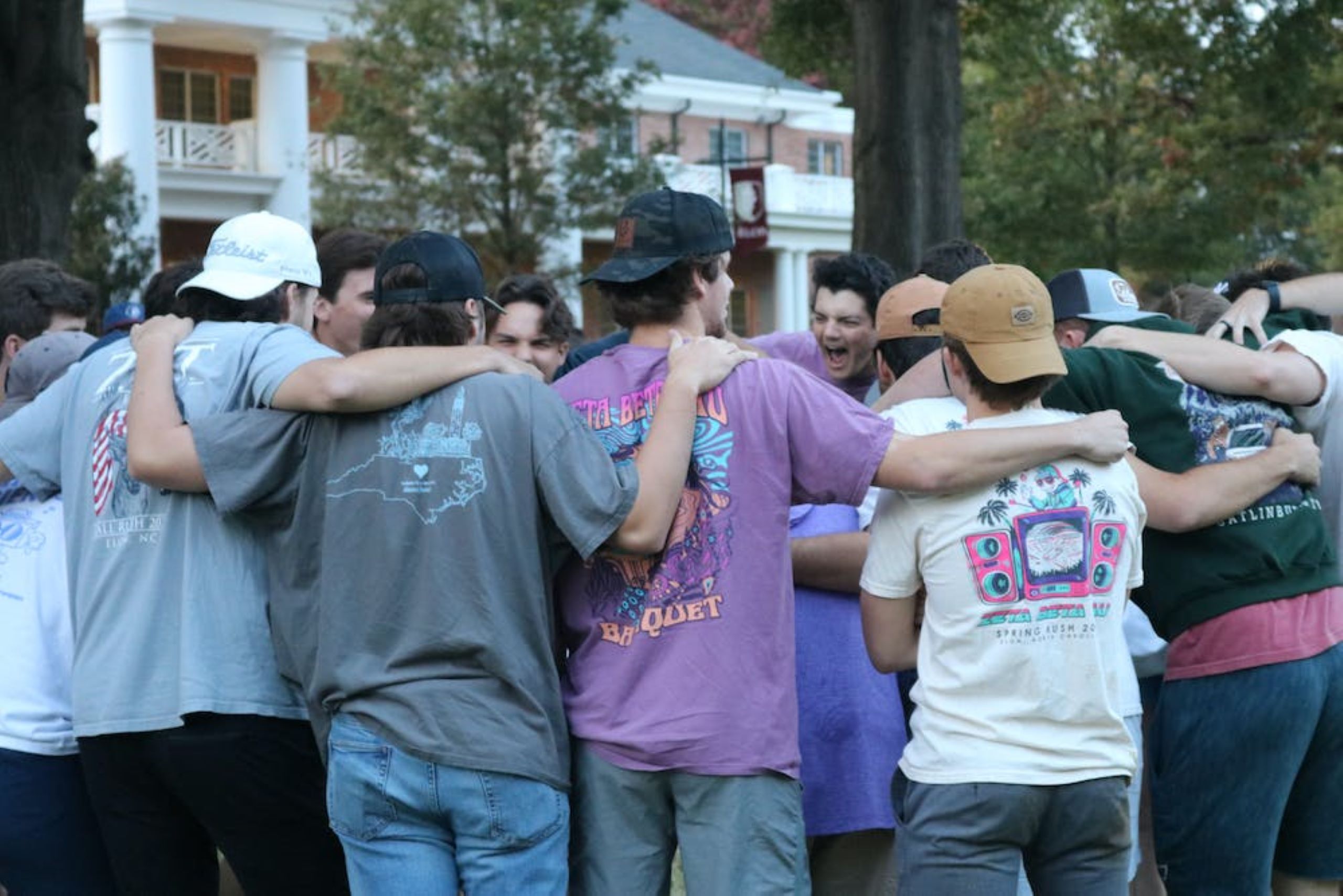
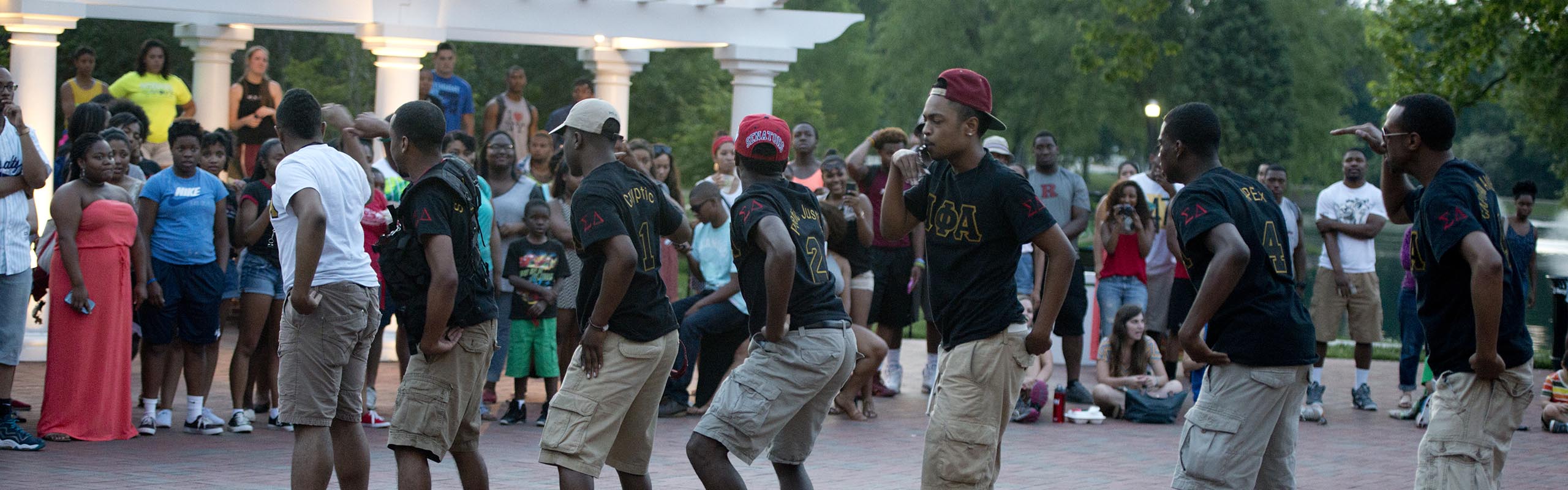
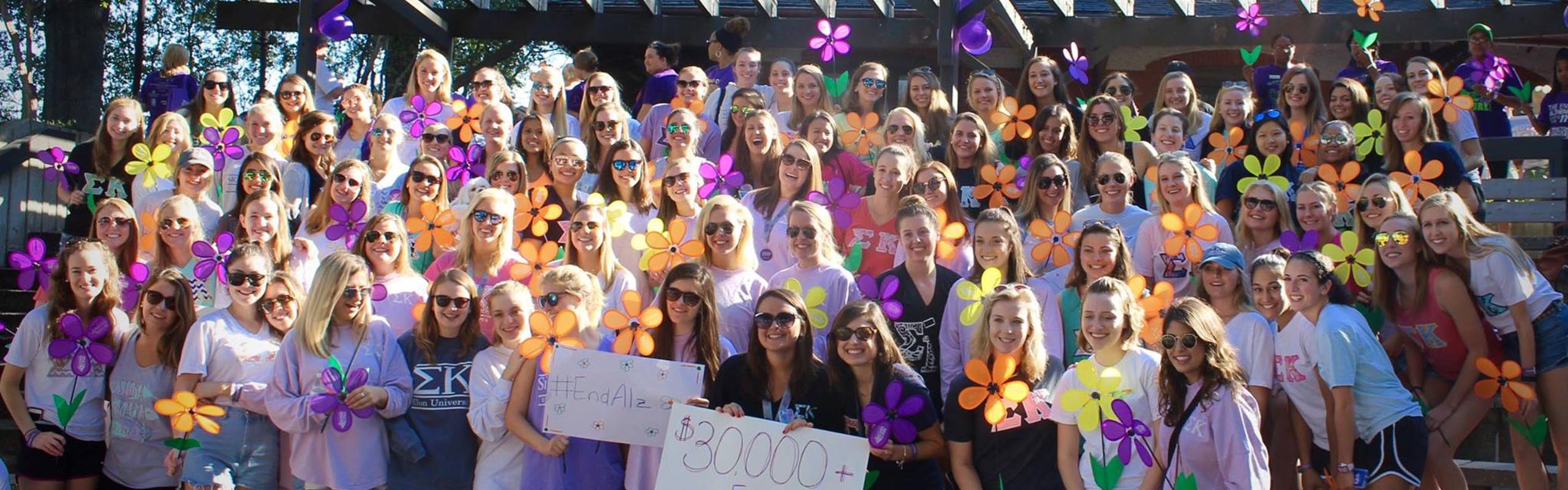
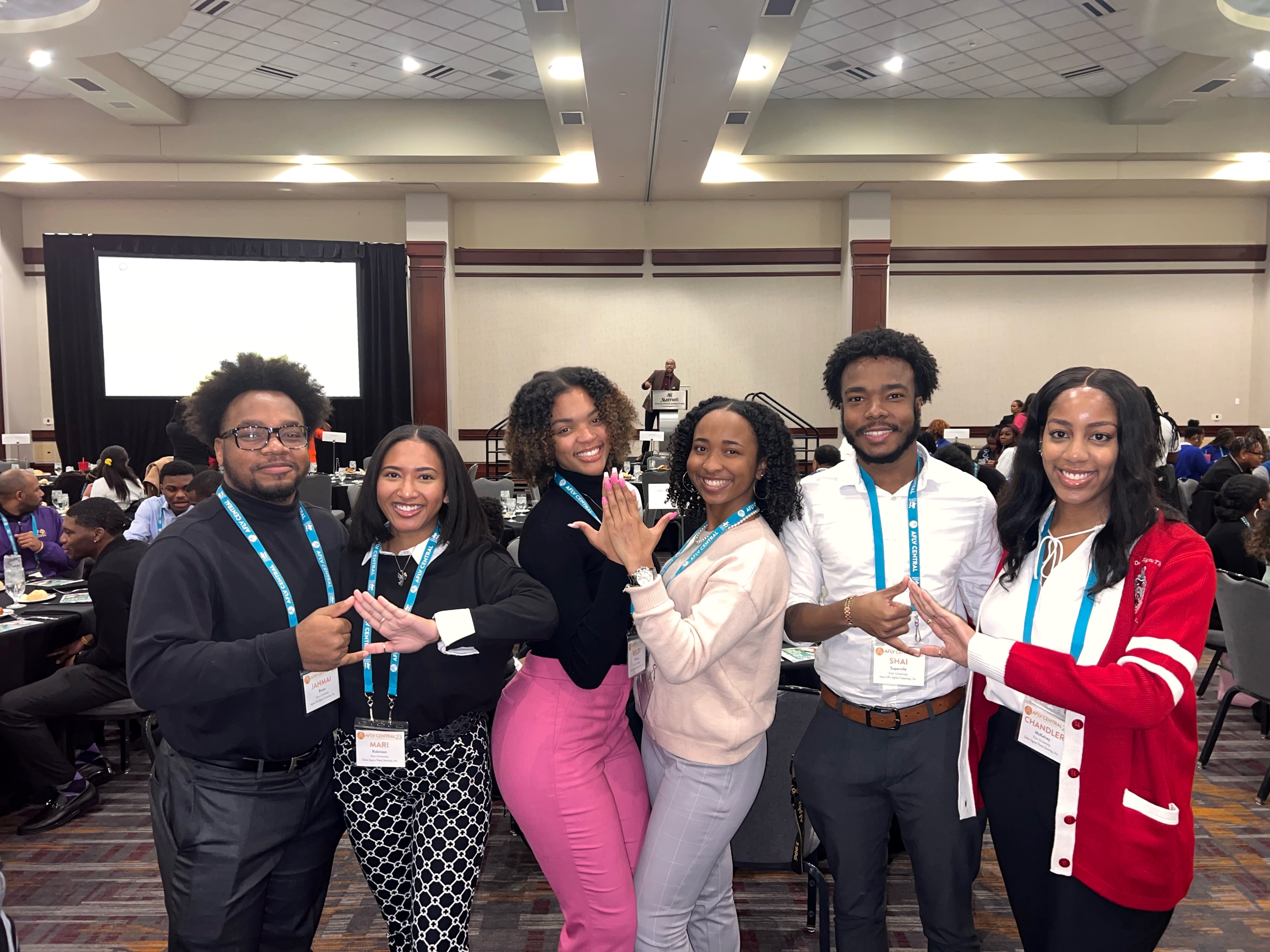
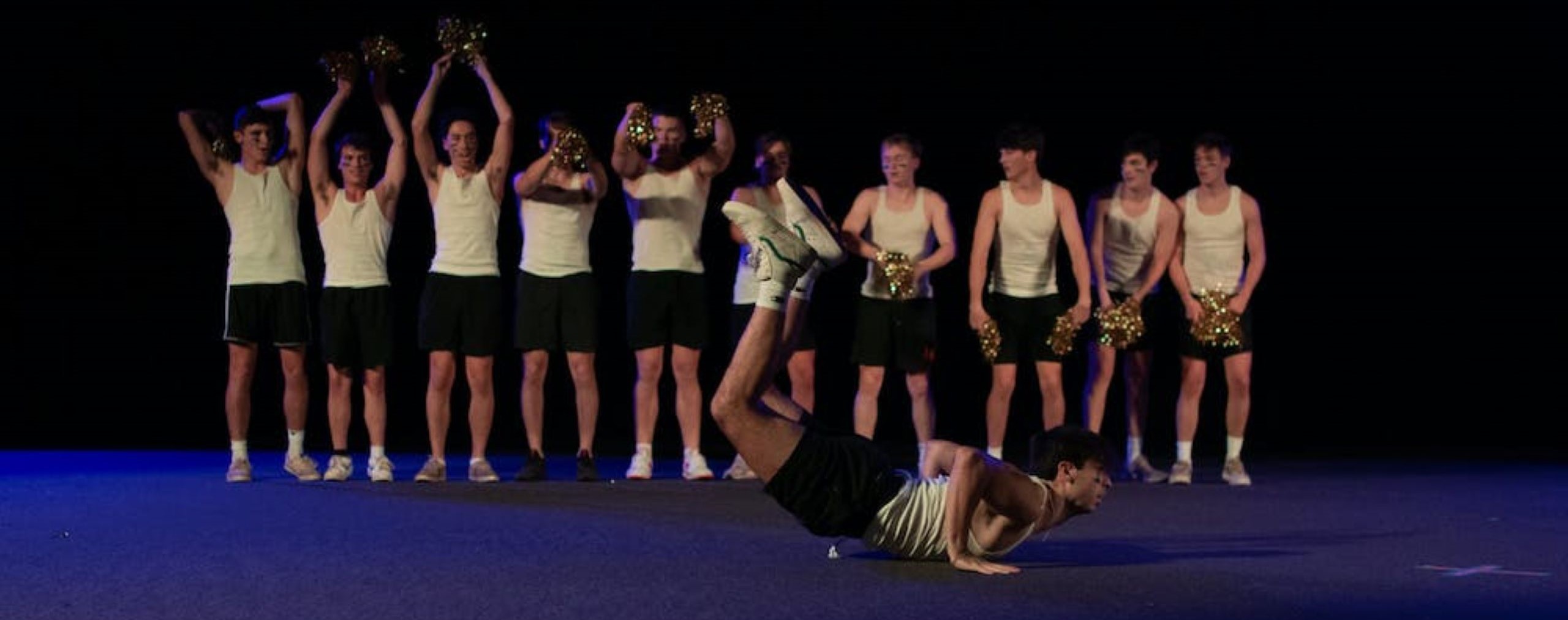
Student Involvement enhances the Elon experience by connecting the fraternity/sorority community through its foundational principles, serves as guides and advocates for student development, and creates opportunities for personal growth through values-based leadership and engagement.
Student Involvement will execute its mission by supporting student learning and development in the following areas that reflect the intersection of fraternal values and Elon values:
- Intellectual Development: sororities and fraternities will hold education, academic performance, and intellectual development of members as the highest priority
- Effective Leadership: sororities and fraternities will promote opportunities for leadership development through active participation and peer accountability
- Responsible Citizenship: sororities and fraternities will actively contribute in the community through service, philanthropy, and other activities designed to expand one’s viewpoints
- Inclusive Environments: sororities and fraternities will promote the exploration of personal identities and create an environment that celebrates diverse perspectives where all people feel respected, appreciated, and included
- Values / Ethics Integration: sororities and fraternities will integrate their values, missions, and standards throughout their collegiate chapter operations, while maintaining connectedness with alumni and the greater University community through mentoring and advising
Fraternity and sorority involvement can provide students with an invaluable experience during their time at Elon University. Fraternities and sororities have existed as an Elon tradition for over 80 years. The fraternity and sorority community provides brotherhood and sisterhood for over 2,400 men and women every year. Approximately 39% of undergraduate students at Elon are members of the fraternity and sorority community, which is comprised of 32 Greek-letter organizations. Four student-run councils govern these organizations: the Interfraternity Council (IFC), the Multicultural Greek Council (MGC) the National Pan-Hellenic Council (NPHC), and the Panhellenic Association (PA). In addition to their individual functions, the councils often collaborate on initiatives and programs designed to enhance the experience of all members of the fraternity and sorority community. We hope you will take the time to learn more about our fraternity/sorority councils and chapters:
- Interfraternity Council (IFC) – fraternities
- Chapters: Alpha Epsilon Pi, Beta Theta Pi, Delta Upsilon, Kappa Alpha Order, Kappa Sigma, Sigma Chi, Sigma Phi Epsilon, Sigma Pi, Zeta Beta Tau
- National Pan-Hellenic Council (NPHC) – historically African-American fraternities and sororities
- Chapters: Alpha Kappa Alpha Sorority, Inc., Alpha Phi Alpha Fraternity, Inc., Delta Sigma Theta Sorority, Inc., Kappa Alpha Psi Fraternity, Inc., Omega Psi Phi Fraternity, Inc., Phi Beta Sigma Fraternity, Inc., Sigma Gamma Rho Sorority, Inc., Zeta Phi Beta Sorority, Inc.
- Panhellenic Association (PA) – sororities
- Chapters: Alpha Chi Omega, Alpha Epsilon Phi, Alpha Omicron Pi, Alpha Xi Delta, Delta Delta Delta, Kappa Delta, Phi Mu, Sigma Kappa, Sigma Sigma Sigma, Zeta Tau Alpha
- Multicultural Greek Council (MGC) – culturally diverse fraternities and sororities
- Chapters: Chi Upsilon Sigma National Latin Sorority, Inc, Lambda Theta Phi Latin Fraternity, Inc., Lambda Upsilon Lambda Fraternity, Inc., Kappa Phi Lambda Sorority, Inc., Omega Phi Beta Collective