School of Communications






One of the Nation’s Best Communications Schools
The School of Communications brings together 1,100 students and more than 80 faculty and staff, creating a vibrant learning environment that has propelled it to be one of the nation’s great communications schools.
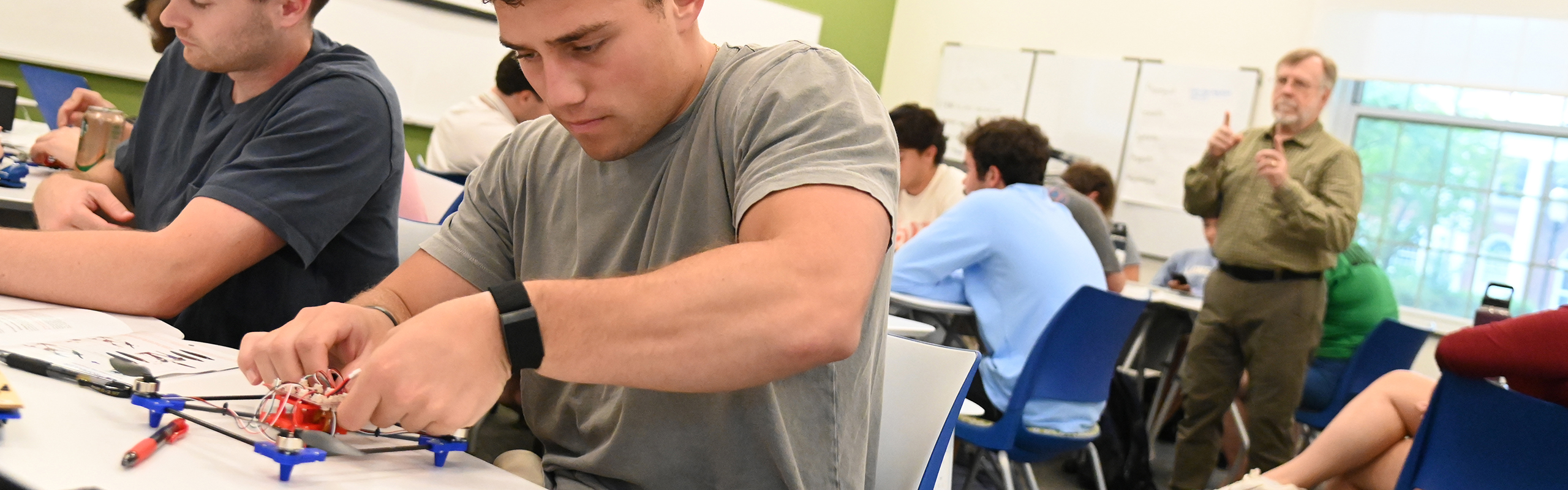
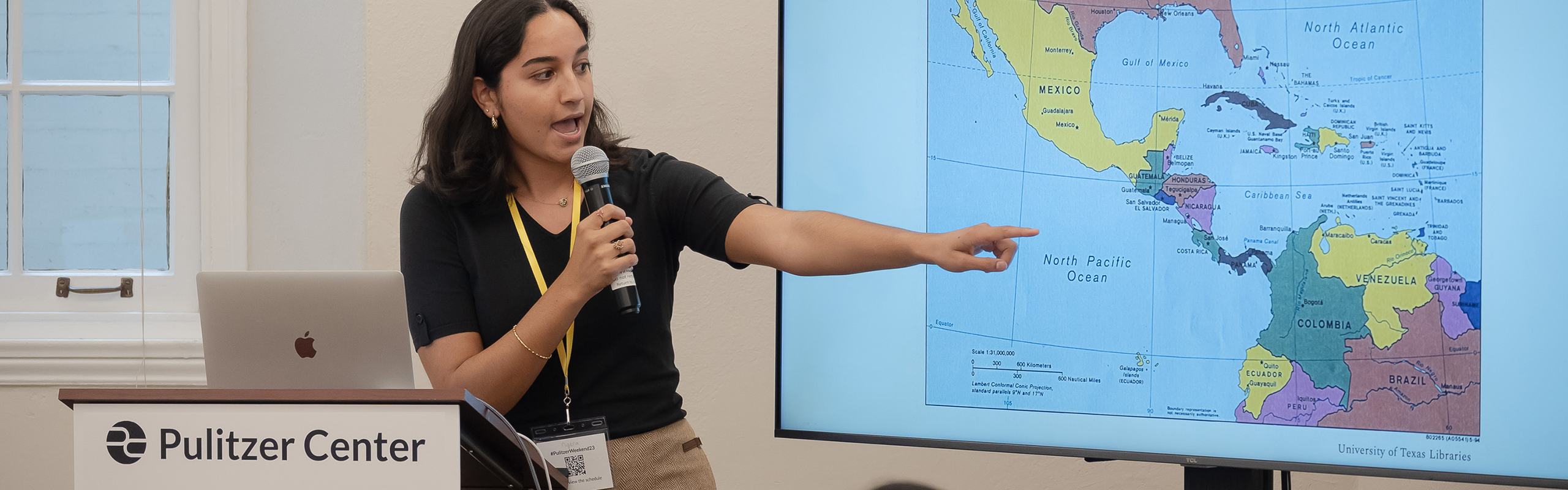
Elon students encounter a challenging curriculum and immerse themselves in professional settings – all under the mentorship of teacher-scholars with years of experience in news, interactive media, television, public relations, advertising, web design, screenwriting, film production, photojournalism and sport management.
“What makes the Elon School of Communications different is that I can learn something new in the morning and put it into practice the same afternoon. Our facilities allow us to push the envelope every day. By the time we graduate, we’re unstoppable,” said Paul LeBlanc ’18, previously a breaking news editor for CNN Politics and now a communications specialist with Amazon.
News


