

Neuroscience
Back to Majors, Minors & Academic Programs
About the Major
Neuroscience is an interdisciplinary field that explores the biological, chemical, and psychological foundations of the brain, behavior, and cognition. The program aims develop students with deep and broad foundational knowledge, an inquisitive mindset, and the ability to translate within and across neuroscientific fields and applications.
Jobs in Neuroscience
- Clinical Research Coordinator
- Health Educator
- Health Care Policy Advisor
- Laboratory Research Associate
- Medical Sales
- Nonprofit or Advocacy Roles
- Occupational Therapist
- Physical Therapist
- Physician's Assistant
- Physician
- Psychiatrist
- Regulatory Affairs Associate
- Science Writer
- Speech and Language Pathologist
Related Majors
Neuroscience major prepares students for successful career and leadership
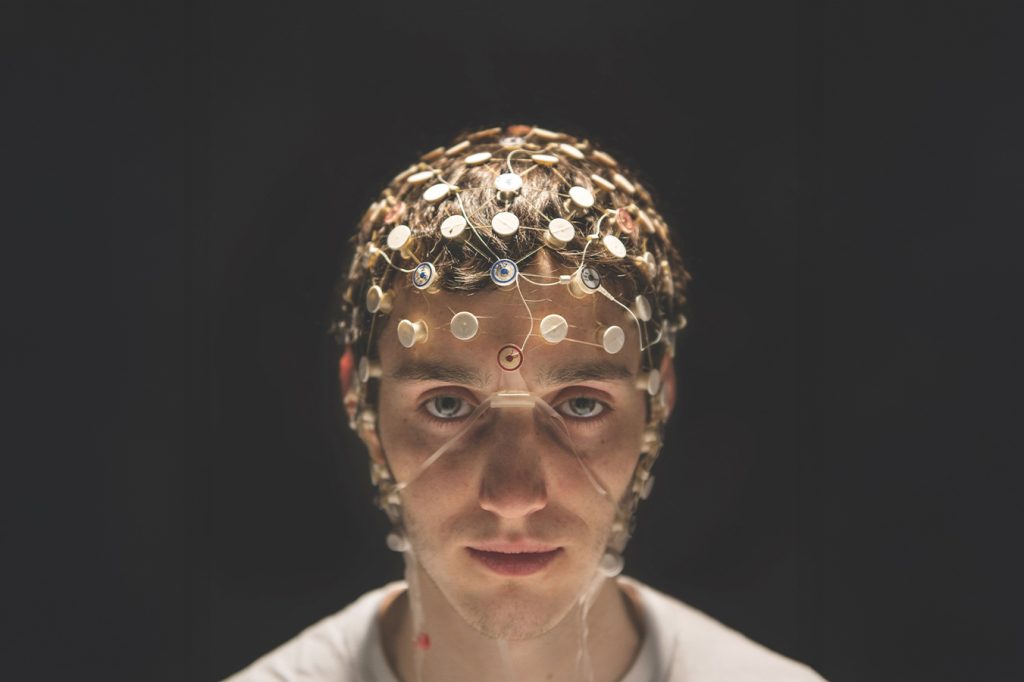
The neuroscience major, housed in Elon College, the College of Arts and Sciences, is built on the concept of “interdisciplinary agility,” allowing students to learn, understand and adapt to new information using knowledge and skills from diverse areas. The program embraces the field’s diversity, combines hands-on lab and lecture experiences to develop core knowledge and technical expertise and emphasizes professional skills to prepare students for successful careers and leadership in the sciences.
“Neuroscience is everything. It’s the way you think. It’s the decisions you make. It’s the way you feel. What makes neuroscience unique is that it requires interdisciplinary thinking, and often, collaboration, is truly interdisciplinary ,” said Matt Wittstein, coordinator of the neuroscience minor and associate professor of exercise science. “You are taking elements of biology and psychology to understand how neurons and groups of neurons work together to result in behavior.”
The Bachelor of Arts in neuroscience requires 48 semester hours and allows students to explore neuroscience beyond STEM approaches. Students who earn this degree are prepared to enter fields such as medical sales, scientific writing and regulatory affairs.
The Bachelor of Science in neuroscience requires 64 semester hours and includes the option to specialize in exercise neuroscience. Students completing this degree are prepared for medical school, health professionals or graduate schools.
Both options give students the ability to pursue a dual degree, major or minor in a related or different subject that can deepen their understanding of neuroscience.
In 2009, Elon started a neuroscience minor which has continued to sustain interest, with a desire for a major building over time. Since the 2020-21 academic year, an effort to develop a major was underway. The major launched in fall 2025.
“Over the years, the minor has done an outstanding job of providing students mentored research experiences and meaningful coursework,” said Wittstein. “With the addition of the major, those opportunities have grown, both deepening experiential learning and extending to more students. The addition of the new major also enhanced the existing minor by adding more elective options and shared learning experiences.”
In addition to biochemical foundations courses like Human Physiology, students take neuroscience methods courses (Statistics in Application and Research Methods), disciplinary neuroscience courses (Behavioral Neuroscience and Neuromotor Control) and neuroscience integration courses, which include a Neuroscience Capstone Seminar. Additional semester hours of electives are required, allowing students to align their coursework with personal goals.
Did You Know?
- To develop a broad base of knowledge, neuroscience majors are required to take courses across five different departments (biology, chemistry, exercise science, psychology and mathematics and statistics) in addition to interdisciplinary coursework directly in neuroscience.
- Students may complete mentored undergraduate research as part of their neuroscience major or minor electives by working with affiliated faculty and having their project approved for elective credit.
- Neuroscience, specifically computational neuroscience, is responsible for many of the scientific and technological advances that led to Artificial Intelligence.